







An Agricultural Superpower
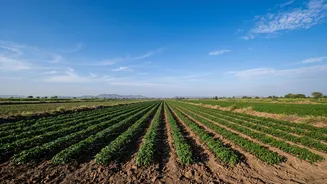
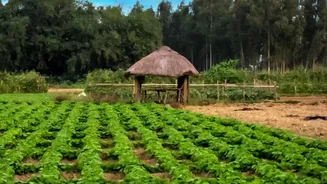
India's reputation as a 'Land of Lemons' isn't just a saying; it's backed by staggering numbers. The country is one of the world's top producers of lemons and limes, contributing around 17% of the global supply. This massive output is the result of cultivation
across hundreds of thousands of acres, tended to by farmers in specific pockets of the nation where the climate and soil create the perfect conditions for these tangy fruits to thrive. While many states grow lemons, a few powerhouses are responsible for the lion's share of the national harvest, ensuring that market stalls from Kashmir to Kanyakumari are rarely without this essential ingredient.
The Southern Heartland: Andhra Pradesh
When we talk about lemons in India, one state stands above the rest: Andhra Pradesh. It is the nation's leading producer, yielding vast quantities of the fruit each year. Within Andhra Pradesh, the town of Gudur in Nellore district holds legendary status. The Gudur lemon market is one of the largest in the country, a bustling hub where farmers from surrounding regions bring their produce for auction. From here, trucks laden with lemons are dispatched to major cities across India, including Delhi, Chennai, and Patna. The soil and climate in this region are so favorable that farmers can often harvest multiple crops a year, a key reason why Gudur has become a critical node in the national supply chain.
The Western Powerhouses
While Andhra Pradesh leads, it doesn't work alone. The western states of Gujarat and Maharashtra are also titans of the lemon industry. Gujarat is the country's second-largest producer, with districts like Mehsana being significant contributors to the national supply. Following closely is Maharashtra, where the Vidarbha and Marathwada regions provide ideal growing conditions. Together, these states form a powerful trio with Andhra Pradesh, their collective output ensuring a steady flow of lemons to markets year-round. Other key states like Karnataka, Madhya Pradesh, and Odisha also make substantial contributions, highlighting the widespread importance of lemon cultivation across the country.
The Star Variety: Kagzi Lime
Not all lemons are created equal. The most commercially important and widely grown variety in India is the Kagzi lime, also known as 'Kagzi nimboo'. This variety is prized for its thin, papery skin (kagzi means 'paper-like') and high juice content, making it perfect for everything from pickles to beverages. Its distinct acidic and aromatic profile is what many Indians associate with the classic lemon flavour. While other varieties like the Assam lemon, Galgal, and Italian lemon are also grown, the Kagzi remains the undisputed champion, perfectly adapted to India's tropical and subtropical climates.
The Farmer's Struggle
Despite the high demand, life isn't always easy for India's lemon farmers. They face a host of challenges that can make cultivation a precarious business. Climate change is a major threat, with extreme heat waves and dry spells capable of drastically reducing yields and affecting fruit quality. Pests and diseases like citrus canker are a constant battle, requiring vigilance and investment in crop protection. Furthermore, market prices are notoriously volatile, swinging wildly based on supply and demand, which can leave farmers with uncertain incomes. These hurdles underscore the resilience and hard work required to keep the nation supplied with its favourite citrus.