


The Unsung Hero of the Pantry
In the world of dessert, some ingredients get all the glory. Chocolate, vanilla, and fresh fruits are the stars of the show. But behind the scenes, a quiet workhorse ensures everything comes together perfectly. For classic chocolate pudding, that hero
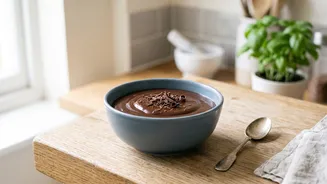
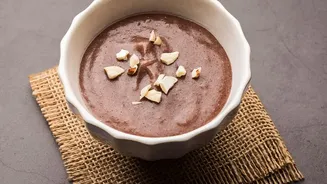
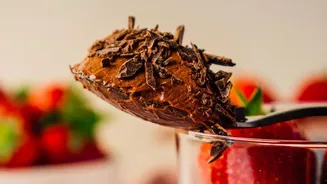
is cornstarch. Derived from the endosperm of corn kernels, this fine, flavourless white powder holds the key to the smooth, glossy, and delightfully thick texture that defines a great homemade pudding. While other thickeners exist, cornstarch provides a unique combination of reliability, neutral taste, and textural magic that makes it the preferred choice for this timeless comfort food. It has twice the thickening power of flour and creates a much smoother, more translucent finish, which lets the rich chocolate colour and flavour shine.
The Simple Science of Spoonable
So, how does a simple powder transform a thin mixture of milk, sugar, and cocoa into a decadent dessert? The process is a bit of kitchen science called starch gelatinization. Cornstarch is made up of tiny starch granules. When mixed with a cold liquid, they disperse. But when that liquid is heated, the magic happens. Around 95°C (203°F), the starch granules swell up, absorb the liquid, and burst, releasing long starch molecules that tangle together to form a microscopic mesh. This network traps the liquid, creating the thick, viscous, gel-like structure we recognize as pudding. This is why it's crucial to bring the pudding mixture to a boil—it ensures the starch granules activate fully. Once the pudding cools, this structure sets further, resulting in that perfect, spoonable consistency that holds its shape without being rubbery.
Cornstarch vs. The Alternatives
While cornstarch is classic, it's not the only thickener on the block. Flour is a common alternative, but it comes with drawbacks. Because flour contains gluten and protein in addition to starch, it has less thickening power, meaning you need to use more of it. This can sometimes leave a pasty or raw flour taste and results in a more opaque, less glossy pudding. Egg yolks are another option and are essential for custards, contributing richness and a creamy texture. However, they can be finicky, with a tendency to curdle if overheated. Puddings thickened solely with eggs are often denser, more like a French 'pot de crème'. Cornstarch, by contrast, provides reliable thickening without adding its own flavour or risking a grainy, curdled texture, making it the ideal choice for a classic, light-yet-creamy chocolate pudding.
Mastering the Technique for Perfect Pudding
Using cornstarch effectively is easy, but it requires one crucial step: making a slurry. Never add dry cornstarch directly to a hot liquid, as it will instantly form stubborn lumps that are nearly impossible to whisk out. Instead, always mix the cornstarch with a small amount of cold liquid (like milk or water from your recipe) in a separate bowl until it forms a smooth, lump-free paste. This is called a slurry. Once your main pot of milk and sugar is hot and steaming, you can slowly whisk in the slurry. Continue to whisk as the mixture comes to a gentle boil and cooks for at least one minute. This short boil is essential to cook away any starchy taste and ensure the cornstarch is fully activated for maximum thickness.
Common Pitfalls and How to Avoid Them
Even with the right ingredient, a few common mistakes can lead to a less-than-perfect pudding. One major issue is over-stirring after the pudding has thickened. Once that starch network has formed, excessive or vigorous stirring can break it down, causing the pudding to become thin again. Another problem is boiling the pudding for too long. While a minute of boiling is essential, prolonged high heat can also start to break down the starch molecules, reversing the thickening process. Finally, be patient and let it chill. The pudding will continue to thicken and set as it cools in the refrigerator for a couple of hours. Covering the surface directly with plastic wrap while it chills prevents a rubbery skin from forming, ensuring every spoonful is perfectly creamy from top to bottom.