



A Journey Transformed
Currently, the journey between India's capital, Delhi, and the spiritual hub of Varanasi can take anywhere from 10 to 14 hours by conventional train. The fastest services, like the Vande Bharat Express, still take around eight hours. The proposed Delhi-Varanasi
High-Speed Rail (DVHSR) corridor aims to slash this travel time dramatically. According to recent announcements by the Railway Ministry, the trip is projected to take just 3 hours and 33 minutes, fundamentally changing the connection between these two iconic cities.
The Route and Key Stations
The high-speed line, managed by the National High Speed Rail Corporation Limited (NHSRCL), will span approximately 813 to 865 kilometres. Starting from Sarai Kale Khan in Delhi, the corridor will pass through several key urban and economic centres in Uttar Pradesh. The planned route includes 12 stations: Noida, Jewar International Airport, Mathura, Agra, New Etawah, South Kannauj, Lucknow, Raebareli, Prayagraj, New Bhadohi, and finally, Varanasi. This network is designed to connect not only major cities but also religious and tourist circuits, such as Agra's Taj Mahal and the holy cities of Mathura and Prayagraj.
More Than Just Delhi-Varanasi
The project's vision extends beyond a single route. A spur line of about 135 km is also planned to connect Lucknow with Ayodhya, a move set to boost religious tourism. Furthermore, the Delhi-Varanasi corridor is envisioned as the first phase of a larger network. Recent approvals from the Ministry of Railways indicate plans to extend the line from Varanasi through Patna and Siliguri, eventually reaching Guwahati in Assam. This would create a vast high-speed network across northern and eastern India, with a journey from Delhi to Agra taking just 59 minutes and Delhi to Lucknow around 2 hours and 12 minutes.
The Technology of Speed
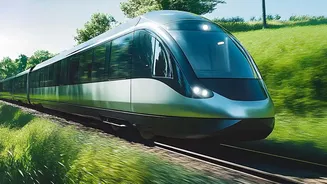
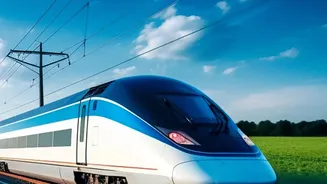
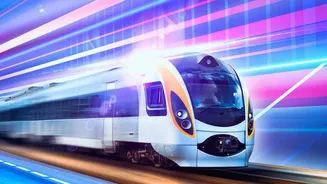
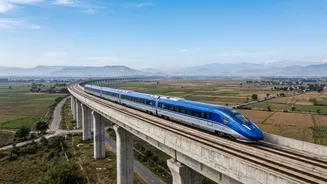
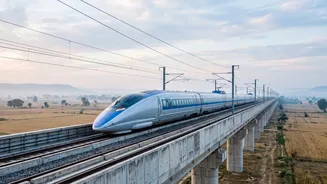
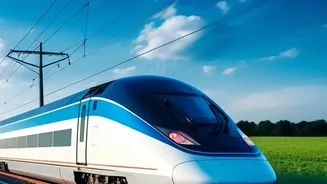
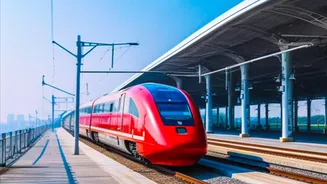
The bullet train is expected to operate at speeds of 320 km/h, with a maximum speed of 350 km/h. To achieve this, the project will use standard gauge tracks and advanced signalling systems like the DS-ATC, similar to the technology employed in Japan's Shinkansen. The infrastructure will be a mix of elevated viaducts and tunnels, particularly in dense urban areas, to ensure an uninterrupted, grade-separated path for safety and speed. The system is also planned to feature an Urgent Earthquake Detection and Alarm System (UrEDAS) for automatic braking during seismic events.
Project Status and Next Steps
As of late 2026, the Delhi-Varanasi HSR project is in the advanced planning or pre-construction phase. The National High Speed Rail Corporation Limited (NHSRCL) has submitted the Detailed Project Report (DPR) to the Ministry of Railways. This report includes critical studies on ridership, land requirements, and environmental impact. While ground surveys and design work are progressing, major construction has not yet begun. The next steps involve securing final cabinet approval and initiating the complex process of land acquisition, which is expected to be a significant undertaking.