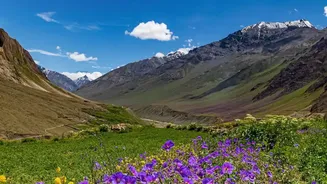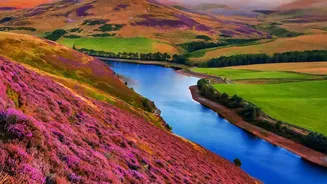

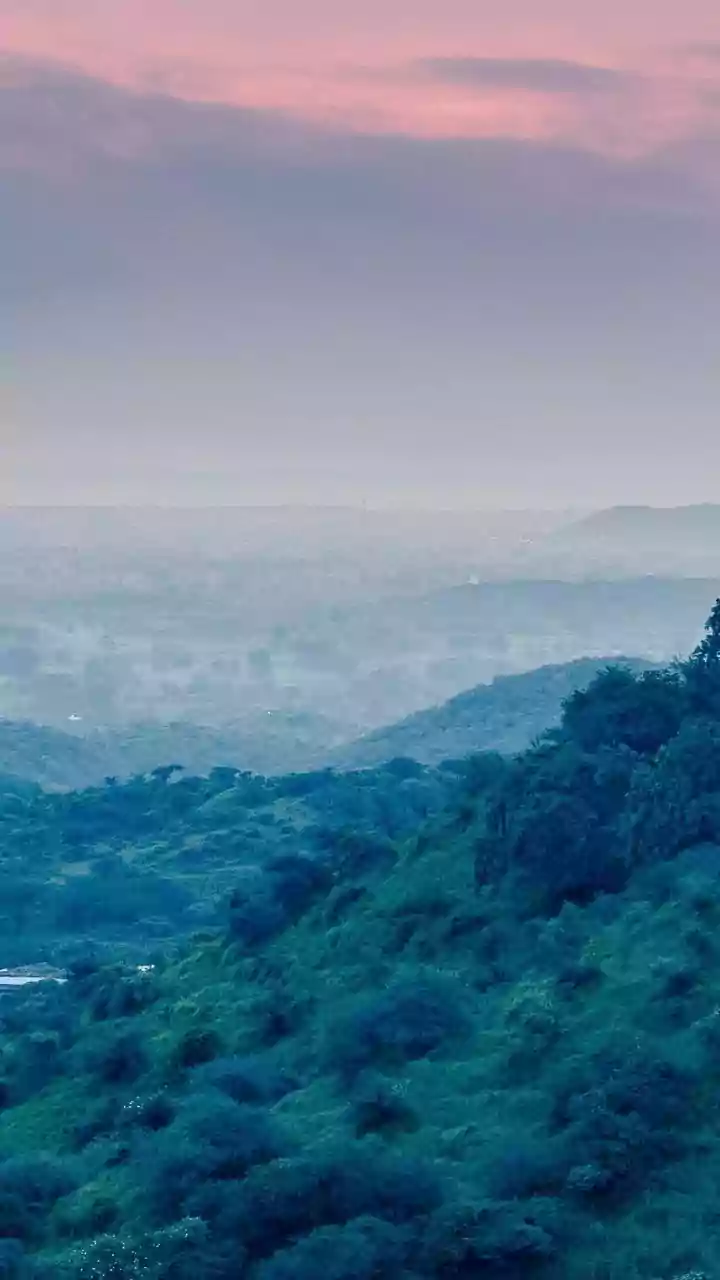





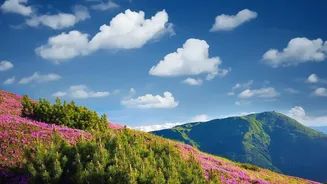
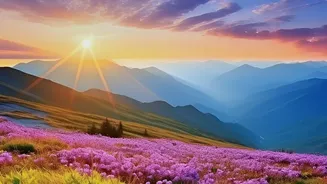
A Once-in-a-Dozenn-Years Spectacle
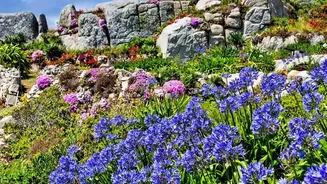
Neelakurinji, or 'Strobilanthes kunthiana', is a shrub that is endemic to the shola grasslands of the Western Ghats. What makes it truly extraordinary is its highly unusual life cycle. The plant flowers just once in its lifetime before dying and producing
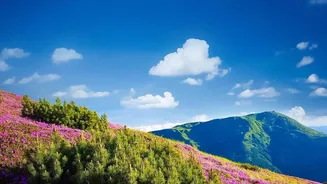
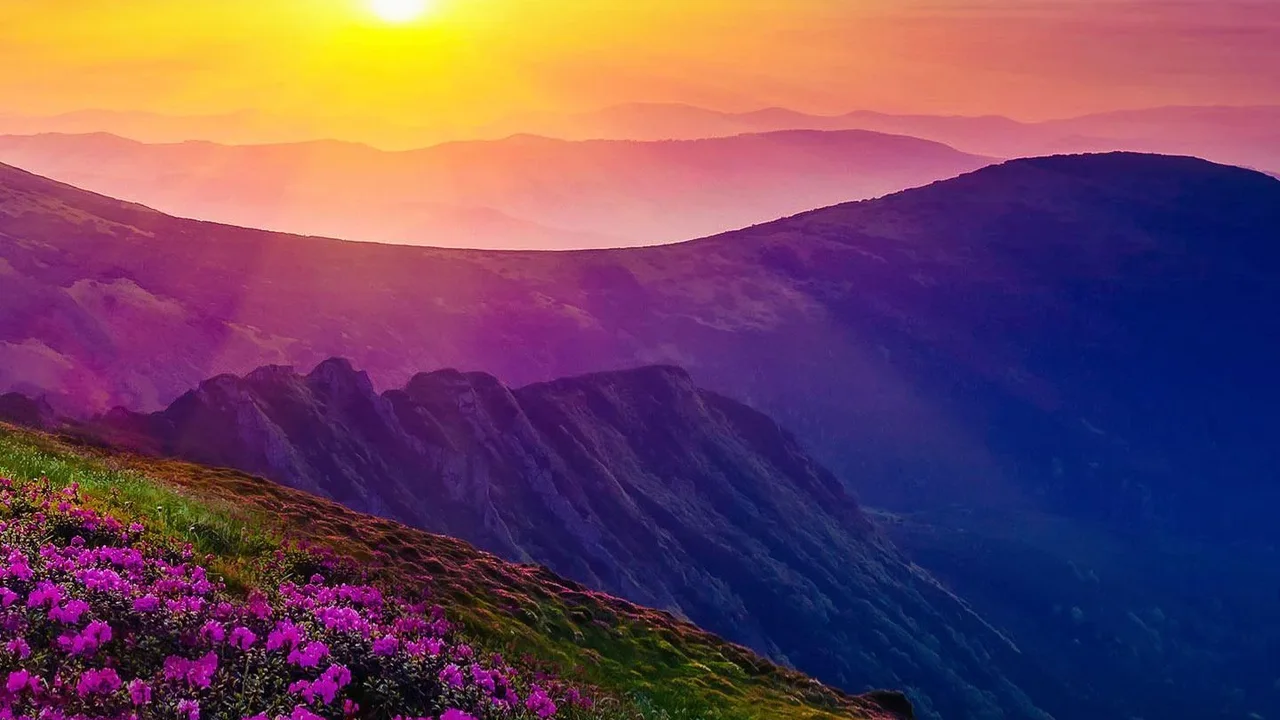
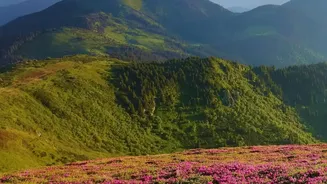
seeds for the next generation. This mass-flowering phenomenon, known as masting, happens on a synchronized 12-year clock, transforming entire hillsides into a breathtaking floral carpet. The name itself holds a clue: in local languages, 'Neela' means blue and 'Kurinji' refers to the flower. Historically, the Paliyan tribal community even used the bloom cycle to calculate their age.
The 2026 Bloom is Here
The latest updates from September 2026 confirm that the hills around Munnar have begun their spectacular transformation. Following the monsoon rains, the flowers started appearing in late August and are expected to hit their peak visual glory between September and October 2026. This particular bloom is significant because it involves a different population of Neelakurinji from the one that created the famous spectacle in Eravikulam National Park in 2018. The flowers currently blooming last appeared in 2014, making 2026 their scheduled return. If you miss this window, the next chance to see this specific population bloom will be in 2038.
Where to See the Purple Hills
The 2026 flowering is not happening in Eravikulam National Park, which is expected to see its next major bloom around 2030. Instead, visitors should focus on other specific areas. The current bloom is concentrated in the Korandakadu hills near Mattupetty and across the slopes of Chokramudi Hills. Both locations are accessible from Munnar and have been opened for tourists to witness the spectacle. Forest officials anticipate that as September progresses, the bloom may spread to other high-altitude grasslands, including areas like Meesapulimala, Sevenmala, and Gundumala.
A Guide for Responsible Viewing
The Neelakurinji bloom attracts a large number of visitors, making responsible tourism essential to protect this fragile ecosystem. The plant itself was recently added to the IUCN Red List as a threatened species, highlighting the pressures its habitat faces. Authorities have urged visitors to stay on designated trails and to refrain from plucking or damaging the flowers, as the plant dies after flowering and relies on its seeds for the next 12-year cycle. To manage the influx, access to some areas is regulated. For instance, the Kurinji Garden at Chokramudi has an entry fee and specific rules, including a strict ban on drones. It is also wise to book accommodation and travel well in advance, as Munnar gets incredibly busy during this period.
Planning Your Trip
The best time to witness the bloom is from September to October, when the post-monsoon weather offers pleasant temperatures and clear views. Munnar is accessible by road, with the nearest railway station being Aluva (around 110-120 km away) and the nearest airports in Kochi and Coimbatore. Once in Munnar, local transport can be used to reach the designated viewing points at Chokramudi and Mattupetty. For a better experience and to avoid crowds, an early morning visit is highly recommended. Remember to wear comfortable walking shoes and carry a reusable water bottle, as plastic is often restricted in these eco-sensitive zones.