





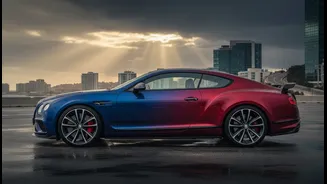


More Than Just a Grand Tourer
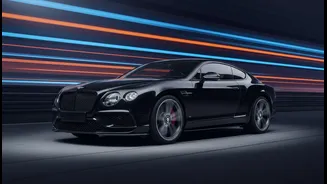
The "Supersports" name is legendary at Bentley, reserved for its most potent and focused creations. The tradition began in 1925 with the first Bentley guaranteed to exceed 100 mph. The modern incarnation, the Continental Supersports, carries this torch
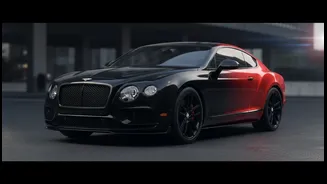
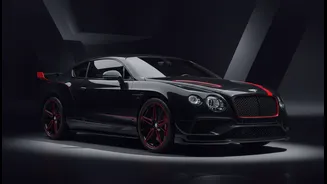
with brutal elegance. The 2017 model, for example, was introduced as the world's fastest four-seat car, boasting a 700 horsepower W12 engine that could propel it from 0-60 mph in just 3.4 seconds and on to a top speed of 209 mph. More recent iterations continue this driver-focused ethos, with some models featuring a two-seat cabin, extensive use of lightweight carbon fibre, and a chassis honed for agility. This is the context into which the racing stripe is placed—not as an afterthought, but as a visual cue to the immense capability lurking beneath the polished exterior.
A Nod to Motorsport History
Racing stripes, in general, have their roots in the frantic, high-speed environment of endurance racing. In the 1950s, American sportsman Briggs Cunningham applied two parallel blue stripes to his white race cars to help his pit crew and spectators identify them on the track during grueling events like the 24 Hours of Le Mans. These became known as "Cunningham stripes" and established a functional tradition that was later adopted and popularised by brands like Shelby for their GT350 Mustangs, cementing the stripe as a symbol of performance. While Bentley's early Le Mans winners of the 1920s were known for their dominant British Racing Green paint, the brand has consistently used livery to honour its motorsport heritage, including on special editions like the Le Mans Collection, which featured a centered stripe inspired by the 2003 Le Mans-winning Speed 8.
The Significance of Asymmetry
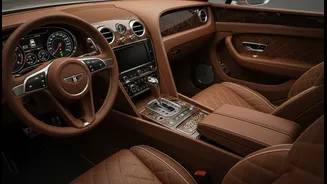
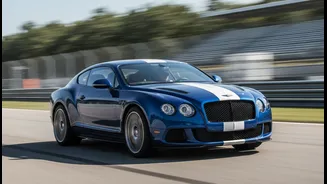
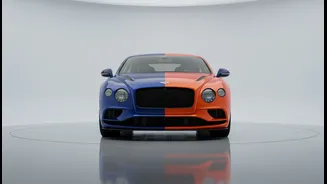
So, why place the stripe off-centre? The answer lies in a deliberate, driver-centric design choice. In a recent special edition from Bentley's bespoke Mulliner division, an off-centre highlight stripe runs from front to rear, specifically aligned with the passenger seat. This asymmetry intentionally breaks the car's visual balance to draw focus to the driver's side. The message is clear: this is a machine built around the person behind the wheel. The interior of these models often echoes this theme, with a bolder colour palette used for the driver's seat and controls while the passenger side remains more subdued. This design philosophy turns the entire car into a statement about its primary purpose: delivering an unparalleled driving experience. Some motorsport lore even suggests offset stripes were used in rallying to help a disoriented driver quickly determine the car's orientation after a spin.
Where Style Meets Substance
On the Supersports, the stripe is not just borrowing a racing aesthetic; it’s reflecting the car's genuine performance DNA. Bentley has engineered the Supersports to be as agile as it is powerful, often incorporating advanced features like torque vectoring, carbon-ceramic brakes, and significant aerodynamic enhancements over the standard Continental GT. Unique styling cues, from aggressive front splitters and carbon fibre diffusers to the stripe itself, serve to highlight this performance potential. It’s a visual promise of the power held within its mighty V8 or W12 engine and a chassis tuned for extreme capability. The stripe, therefore, acts as the finishing touch on a car that blends the boundaries between a luxurious grand tourer and a track-capable supercar.