


Understanding the Art of 'Meditation in Motion'
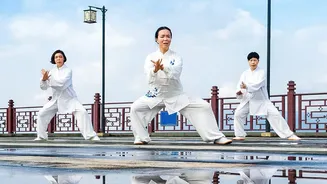
At its heart, Tai Chi is a Chinese martial art that has evolved into a practice for health and relaxation. Often described as 'meditation in motion', it consists of a series of slow, graceful, and continuous movements. Unlike high-impact exercise, Tai Chi prioritizes
smooth flow, which helps improve balance and strengthen the stabilising muscles that we often neglect in our daily lives. Though its origins are in self-defence, today it is celebrated for its ability to connect the mind and body, making it accessible to people of all ages and fitness levels. The practice is built on core principles of intentional movement, mindful awareness, and structural alignment, which work together to build strength without placing stress on the joints.
The Power of Conscious Breathing
A fundamental element of Tai Chi is the focus on breathing. The practice teaches you to synchronise deep, calm breaths with each physical posture. As a general rule, breathing is continuous and deep, with both inhales and exhales done through the nose. This is not just about getting oxygen to the muscles; it is about cultivating internal energy, or 'qi'. This technique of controlled breathing helps to relax the nervous system, reduce stress, and improve overall wellbeing. Studies show that practices involving this kind of mindful respiration can lower levels of the stress hormone cortisol, which in turn can help alleviate anxiety and improve mood. By consciously guiding your breath, you are directing your body’s energy and fostering a profound sense of calm.
The 'Blue Space' Bonus
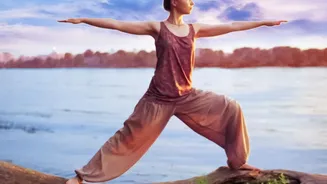
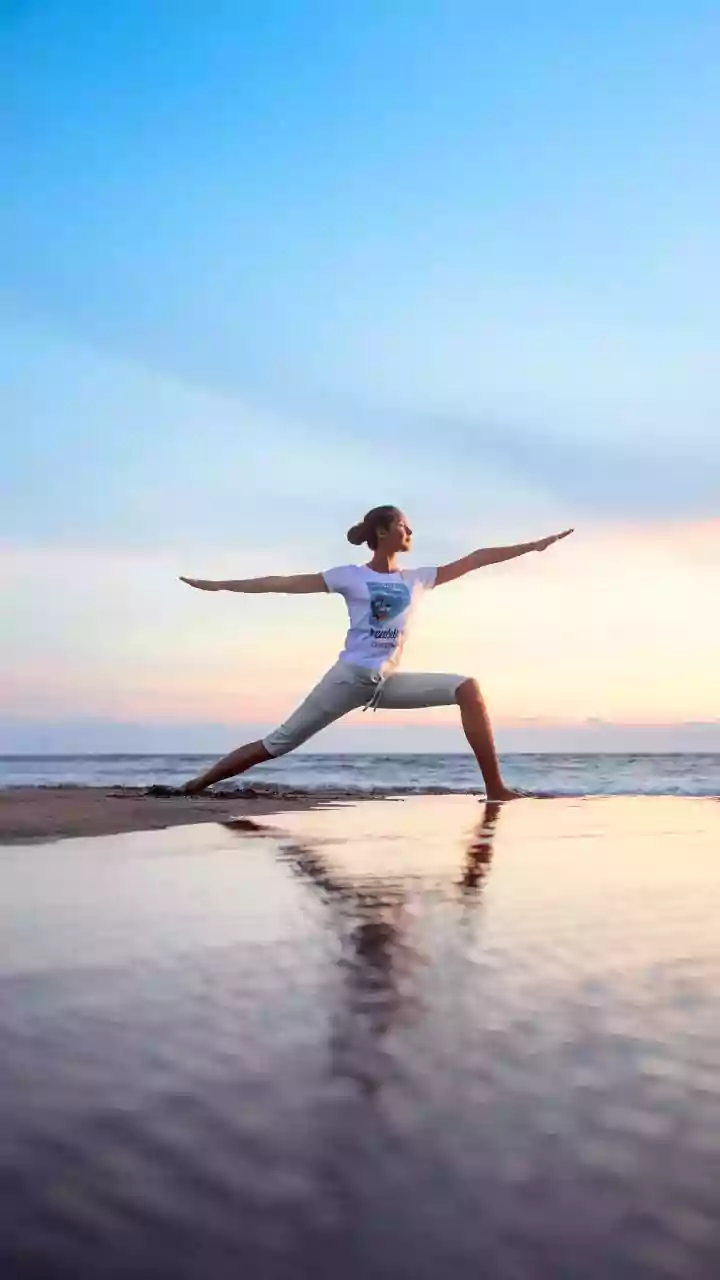
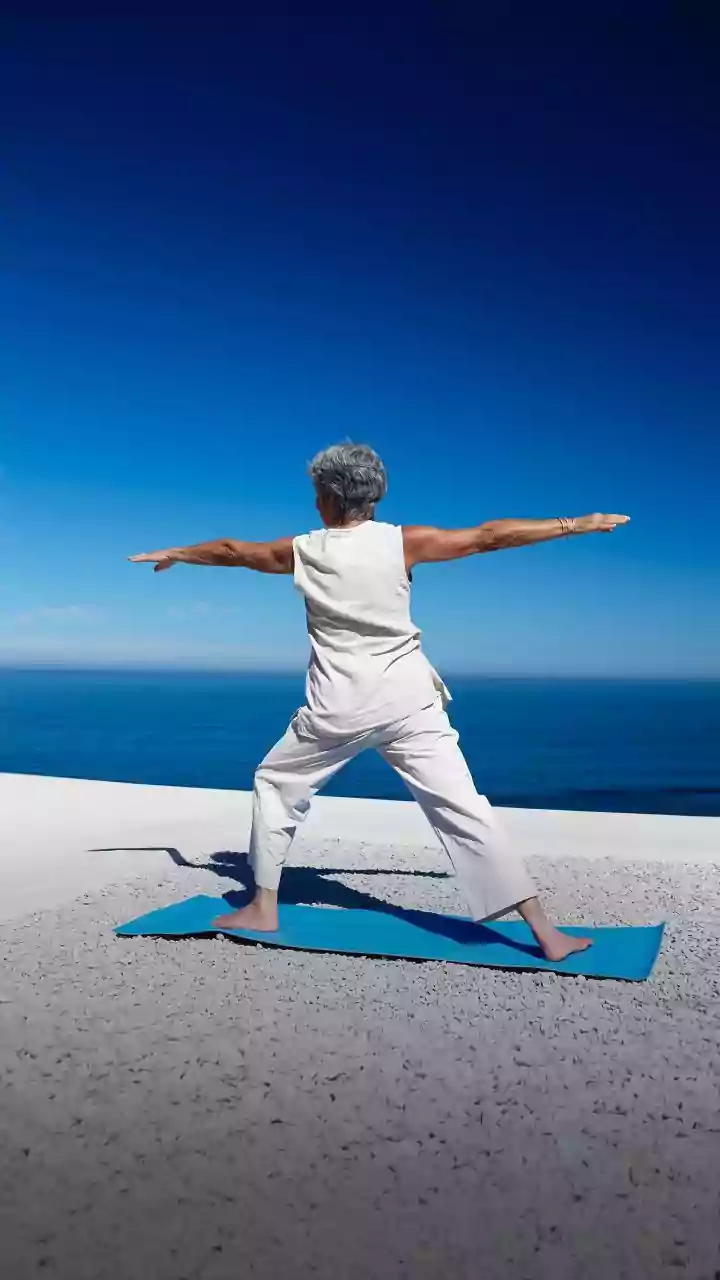
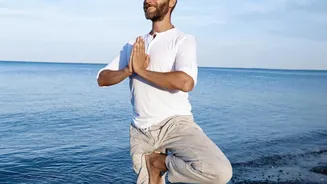
Taking your practice outdoors, specifically to a beach or coastline, adds another powerful layer of benefits. Researchers refer to these water-centric environments as 'blue spaces', and a growing body of evidence shows they are incredibly beneficial for our health. Spending time near the coast has been linked to better mental health, with some studies finding that people living near the sea report fewer symptoms of depression and higher levels of happiness. The natural environment encourages physical activity; people are simply more likely to go for a walk or engage in movement when they are by the coast. The seaside offers a complete sensory experience that promotes relaxation, from the fresh air to the mesmerising, repetitive sound of the waves, which can help lower heart rate and blood pressure.
Why the Combination Is So Effective
When you combine Tai Chi's internal focus with the external calm of the sea, the effects are amplified. The slow, focused movements of Tai Chi require concentration, which is naturally enhanced by the non-threatening, gentle environment of the coast. The sound of the waves provides a natural, meditative rhythm that complements the flowing postures, helping to quiet the mind. Furthermore, exercising outdoors exposes you to sunlight, which helps the body produce Vitamin D and serotonin, a natural mood stabiliser. The slightly uneven surface of the sand can also provide an extra challenge for your balance and strengthen the muscles in your feet and legs, complementing the balance-improving aspects of Tai Chi itself. This fusion creates a deeply restorative practice that benefits the body's strength, balance, and flexibility while simultaneously calming the mind and lifting the spirit.