

The New Flavour Frontier
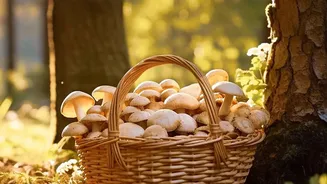
Look closely at the menus of some of India’s most innovative restaurants, and you'll find ingredients that don’t come from a farm. Think of earthy wild mushrooms from the monsoon forests of Jharkhand, tangy sea buckthorn berries from Ladakh, or the crunchy
sohphlang tuber from Meghalaya. A quiet revolution is underway, as chefs at establishments like Masque in Mumbai, NAAR in Kasauli, and OMO Cafe in Gurugram are championing a hyperlocal approach. They are moving beyond predictable supply chains to explore India's immense biodiversity, bringing the taste of the wild to the fine-dining table. This isn’t just about novelty; it’s a deliberate shift towards creating dishes that are intrinsically tied to a specific place and season, offering diners a story with every bite.
From Forest Floor to Dinner Plate
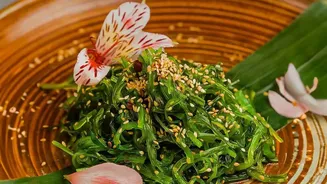
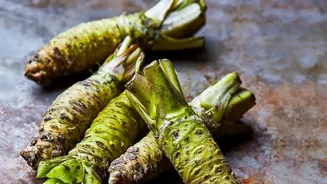
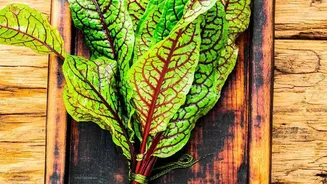
The list of ingredients making this journey is as diverse as India itself. In the Himalayas, chefs are rediscovering the peppery notes of timru and the sweet, golden Himalayan raspberry known as hisalu. In central India, the flower of the mahua tree, long used by tribal communities, is finding new life in desserts and savoury dishes. Along the coasts, chefs are experimenting with different types of seaweed, using them in everything from bhel to broths. Even ingredients once considered humble, like the sour ambadi (roselle) leaves or the resilient kachri melon from Rajasthan, are being reimagined with modern techniques. These ingredients bring complex, unfamiliar flavours—smoky, mineral, tart, and floral—that expand the palette of modern Indian cuisine.
A Return to Roots, Not a New Trend
While the presence of foraged ingredients on urban menus feels new, the practice itself is ancient. Foraging has been a way of life for indigenous and forest-dwelling communities across India for centuries. These communities possess generations of knowledge about what to pick, when, and how. For them, wild foods are a vital source of nutrition and livelihood, not a culinary trend. Chefs now embracing this movement are, in many ways, reconnecting with this deep-rooted wisdom. This rediscovery is a powerful reminder that concepts like 'farm-to-table' and 'zero-waste cooking' have been inherent to many of India's traditional food systems for generations, long before they became global buzzwords.
The Perils of Popularity
The growing demand for wild ingredients comes with significant risks. When foraging becomes a trend, it can quickly turn into hype, leading to over-harvesting and placing immense pressure on delicate ecosystems. The line between appreciation and appropriation is thin. If not managed responsibly, the commercialisation of forest foods could deplete the very resources that local communities depend on. There's a real danger that the 'superfood' status given to some of these ingredients could drive up prices, making them inaccessible to the people who have traditionally relied on them. The challenge is to ensure that this culinary interest translates into genuine support for biodiversity and local communities, rather than simply becoming a marketing gimmick.
Foraging with a Conscience
So, how can restaurants embrace wild ingredients without turning foraging into a destructive fad? The answer lies in ethics and collaboration. Responsible chefs are not just randomly picking plants; they are building relationships. Many partner directly with local communities and foragers who have an intimate understanding of the land. They follow the 'rule of thirds'—taking no more than one-third of what is available to ensure the plant population can regenerate and that enough is left for wildlife. The focus is on seasonality and abundance. Chefs like Thomas Zacharias have emphasised using what grows plentifully rather than creating demand for rare or scarce ingredients. This conscious approach ensures that the menu respects the natural cycle of the environment, making sustainability a core part of the dining experience. It transforms a meal into an act of ecological and cultural preservation.