







What Exactly Are Making Charges?
Making charges are the fees a jeweller adds to the price of gold to cover the cost of creating the ornament. This isn't just one cost, but a bundle that includes the artisan's labour (karigari), the design's complexity, and the technology used, whether
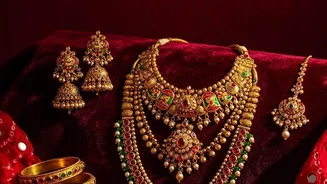
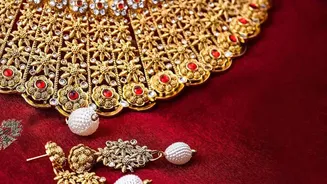
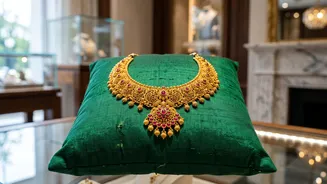
it's a handmade masterpiece or a machine-crafted piece. These charges can range from as low as 3% for simple, machine-made items like plain chains to over 25% for intricate, handcrafted bridal sets. It’s the price you pay for craftsmanship, turning raw metal into a wearable piece of art.
The Calculation: Percentage vs. Flat Rate
Jewellers typically use one of two methods to calculate these charges: a percentage of the gold's value or a flat rate per gram. The percentage method is more common, where a rate (e.g., 18%) is applied to the total value of the gold in the piece. A key issue here is that as the price of gold rises, the making charge also increases in absolute terms, even if the labour involved remains the same. The other method is a flat fee per gram (e.g., ₹500 per gram), which is more transparent and often works out cheaper for simpler designs, especially when gold rates are high. Always ask your jeweller to clarify which method they are using.
Understanding Wastage Charges
Alongside making charges, you might see a 'wastage' charge on your bill. This fee is meant to cover the small amount of gold lost during the manufacturing process—filings and dust created while cutting, soldering, and polishing. Wastage can range from 5% to 12% depending on the design. However, many consumer advocates argue that this production cost should ideally be included within the making charges. Some jewellers bill for both, effectively charging twice for the same process. Always ask for an itemised bill and question if both charges are listed separately.
A Smart Shopper’s Guide to Saving Money
Being an informed buyer is your best tool. First, always compare making charges across at least three different jewellers before making a decision. Don't hesitate to negotiate; most local jewellers have some flexibility, especially on large purchases or during the off-season. Opting for simpler, machine-made designs can significantly lower the charges compared to intricate, handmade ones. Also, asking for the charge as a flat rate per gram instead of a percentage can give you a clearer, more comparable figure. Finally, request a detailed bill that breaks down the gold price, making charges, wastage (if any), hallmarking fees, and GST separately. This transparency is key to understanding exactly what you are paying for.
Why This Matters More Than Ever
With gold prices reaching new highs, the non-recoverable part of your jewellery bill—making charges, wastage, and GST—forms a larger absolute amount than ever before. When you sell or exchange jewellery, you are typically only credited for the net weight of the gold; the making charges are never returned. This means that a high making charge directly impacts the investment efficiency of your purchase. By paying close attention to these costs at the time of buying, you are not just saving money today but also protecting the future value of your asset.