






The Lime with a Famous Name
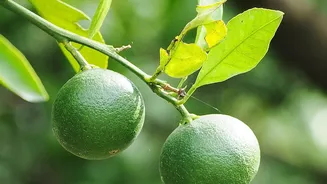
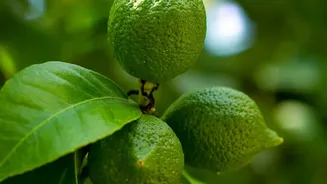
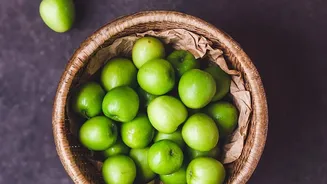
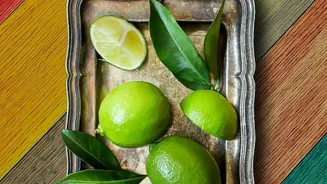
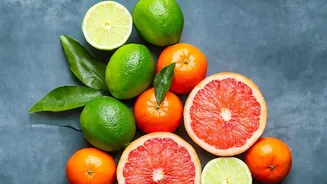
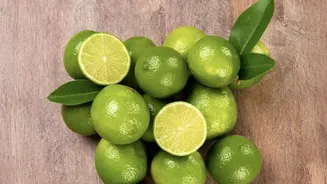
While many varieties of lime grow across India, the headline act is often the 'Kagzi' lime, a name that literally translates to 'paper-like', referring to its incredibly thin skin. This is the fruit most likely celebrated as the 'Indi Lime', a variety
so integral to the subcontinent's palate that it feels like it belongs to everyone. It is small, often round, and packs a potent, acidic punch with a high juice content that makes it a kitchen essential. In 2023, a specific variety of this lime grown in the Indi taluk of Vijayapura, Karnataka, was awarded a Geographical Indication (GI) tag, officially recognizing 'Indi Lime' for its unique quality, zesty aroma, and regional heritage. This official status protects a legacy of cultivation dating back to the early 1900s.
A Staple on Every Plate
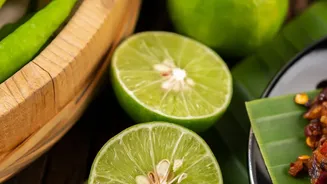
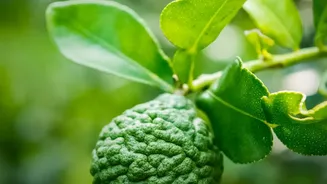
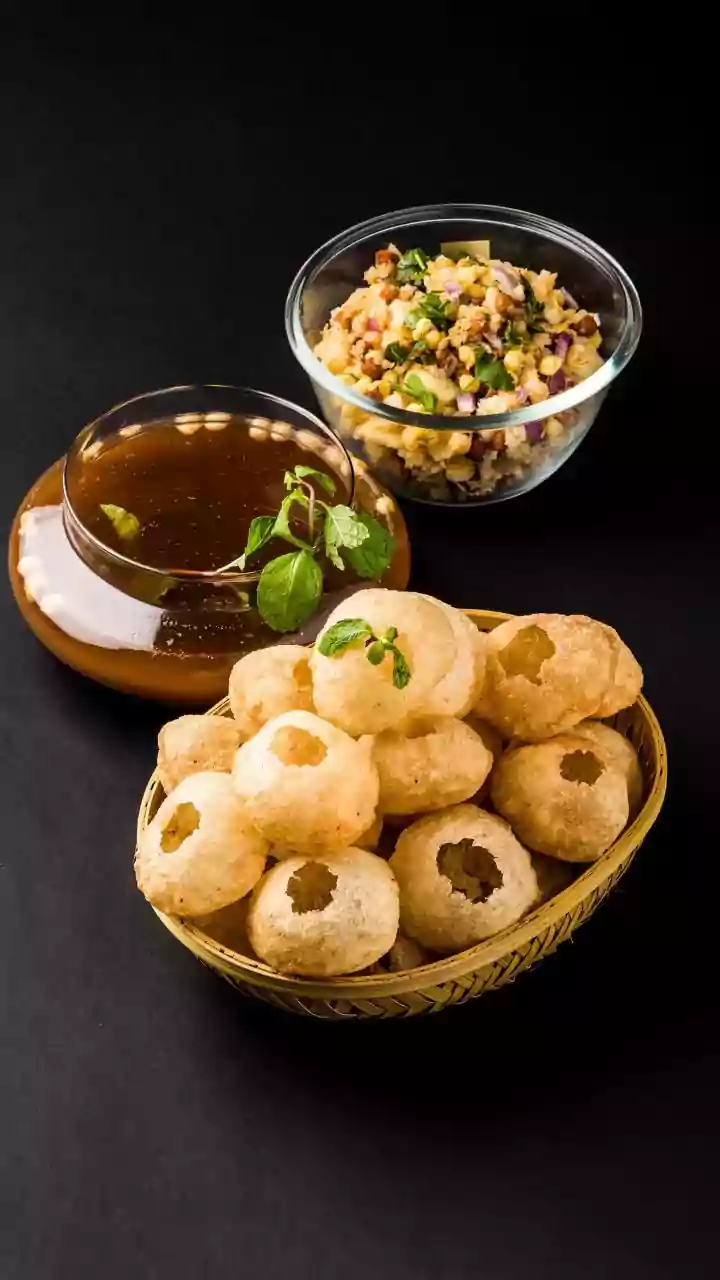
The Indi lime's influence on Indian food is immeasurable. Its primary role is as a flavour enhancer, with a few drops squeezed over a finished dish to cut through richness and add a burst of freshness. This practice is common for everything from lentil soups (dal) to vegetable stir-fries (sabzi) and grilled kebabs. It’s the star of nimbu pani (lemonade), a ubiquitous thirst-quencher, and a critical component in making pickles and chutneys. Beyond just the juice, the lime’s zest and even its leaves are used to impart aroma. This is especially true for regional specialties like the Gondhoraj lebu of Bengal, a lime prized not for its juice but for its powerful, floral fragrance that can elevate a simple rice and dal dish into a feast for the senses.
More Than Just a Flavour
The lime's significance in India stretches far beyond the kitchen. For generations, it has been a cornerstone of traditional home remedies, valued for its high Vitamin C content and used to address everything from digestive issues to the common cold. Its acidic nature also makes it a natural cleaning agent, effective for shining copper vessels and removing stains. Furthermore, the lime holds a deep cultural and spiritual importance. It is a common offering in Hindu rituals, seen as a symbol of purity and protection used to ward off negative energy. The common sight of a lime strung together with chillies (nimbu-mirchi) hanging at the entrance of homes and businesses is a testament to this belief in its protective powers against the evil eye.
A Story of Terroir and Trade
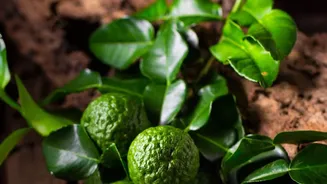
While the Kagzi lime is grown widely across states like Andhra Pradesh, Maharashtra, and Gujarat, specific regions have become synonymous with quality. The GI-tagged Indi lime from Karnataka is celebrated for its perfect balance of acidity and aroma, a direct result of the area's semi-arid climate and soil conditions. Similarly, the Gondhoraj lime is an icon of Bengal, its unique scent a product of that region's specific environment. These regional identities are not just a matter of pride but also of economics. The GI tag, for instance, helps farmers command better prices and provides access to international markets, with the Indi Lime now being exported to the UK and the Middle East. It ensures that the story of the land and the people who cultivate the fruit is preserved and valued.