






A Landmark Orbital Achievement
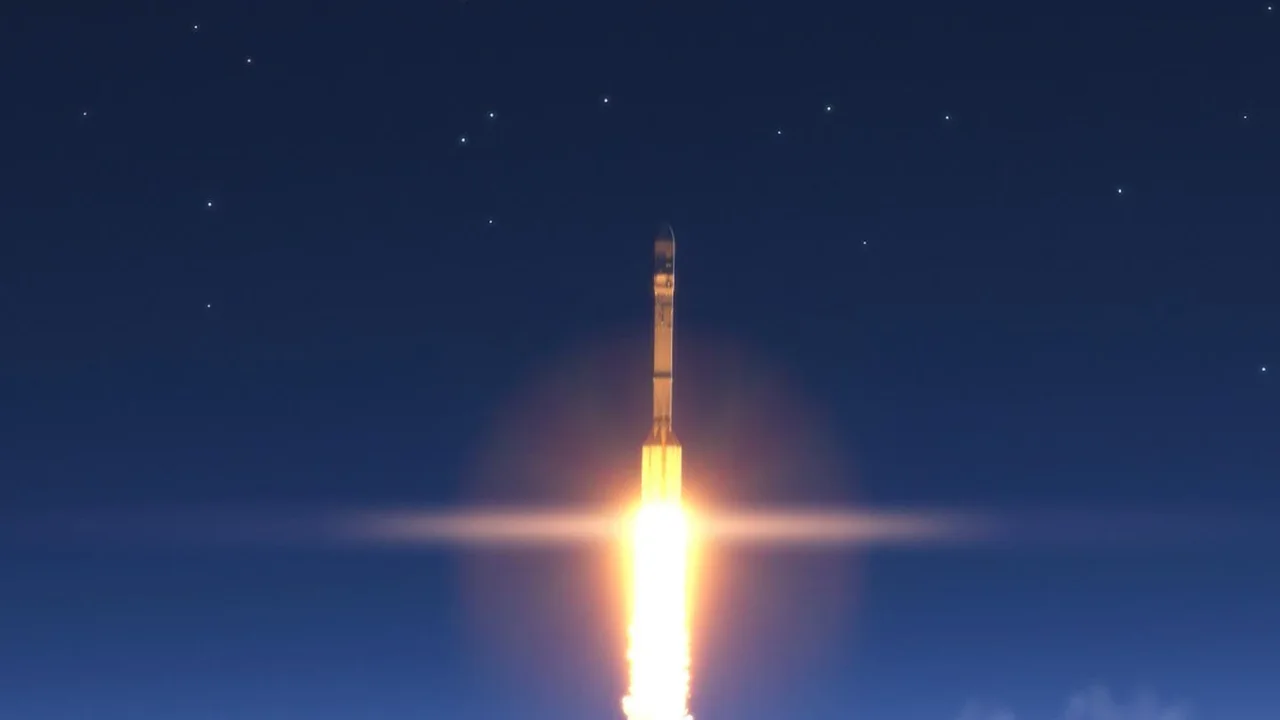
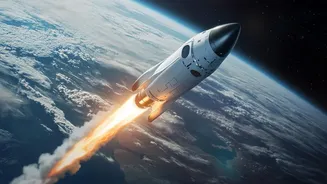
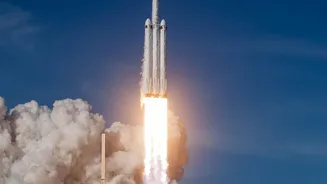
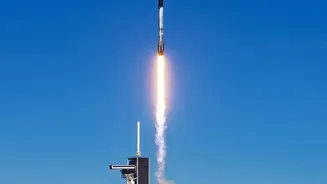
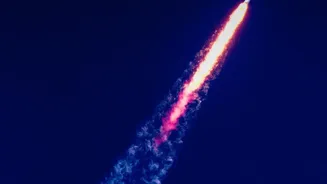
On September 28, 2026, the 14th test flight of the Starship system lifted off from Starbase, Texas. For the first time, the upper stage spacecraft successfully achieved Earth orbit after separating from its Super Heavy booster. The mission was not without
its suspense; an engine on the upper stage shut down early, leading to a dramatic, real-time decision to press on with the orbital insertion burn. The vehicle ultimately reached orbit, deployed a batch of 26 operational Starlink satellites, and completed a controlled deorbit burn before splashing down in the Pacific Ocean. The Super Heavy booster also completed its flight, performing a boostback burn and splashing down in the Gulf of Mexico.
From High-Altitude Hops to Orbit
This latest flight represents a monumental shift from Starship's earlier testing phase. Previous tests, while spectacular, were suborbital. They involved launching the upper stage to high altitudes—around 10 to 12 kilometers—to test the vehicle's unique belly-flop atmospheric re-entry and landing maneuver. Those flights were crucial for proving the vehicle's control systems but did not involve the immense energy required to achieve orbital velocity. Reaching orbit requires surviving a much more intense launch, a high-speed stage separation, and enduring the harsh environment of space before attempting a blistering re-entry. This successful orbital mission demonstrates a new level of maturity for the entire system, moving it from an atmospheric test vehicle to a true spacecraft.
The Holy Grail of Full Reusability
While reaching orbit is a massive win, the ultimate goal for SpaceX remains full and rapid reusability. Unlike any rocket before it, the entire Starship system—both the Super Heavy booster and the Starship upper stage—is designed to be reused quickly, much like an airplane. The vision involves the Super Heavy booster flying back to the launch site and being caught by the launch tower's mechanical arms, a feat SpaceX has already achieved on previous test flights. The Starship spacecraft would follow a similar path, returning from orbit to be caught as well. This approach eliminates the need to discard expensive rocket stages after each launch, which is the key to radically lowering the cost of accessing space.
Why Reusability Changes Everything
The business and exploration case for Starship hinges entirely on this principle of reusability. By drastically reducing launch costs, SpaceX aims to make ambitious new missions economically viable. This includes deploying thousands more of its next-generation Starlink satellites to build out a global internet constellation. More profoundly, it is the enabling technology for establishing a permanent human presence on the Moon and, eventually, a self-sustaining city on Mars. NASA has already selected Starship as the human landing system for its Artemis program, which plans to return astronauts to the lunar surface. The ability to carry over 100 metric tons of cargo in a fully reusable configuration would revolutionize humanity's ability to operate beyond Earth.
The Long Road Ahead
Despite the success of the first orbital flight, there are still significant hurdles to overcome. The next major step will be to recover the Starship upper stage, not just splash it down. Perfecting the return, re-entry, and tower catch of the spacecraft is a complex challenge that has yet to be attempted. Furthermore, for deep space missions to the Moon and Mars, SpaceX must demonstrate on-orbit refueling, where multiple tanker Starships would launch to fill up a primary spacecraft in Earth orbit before it departs. Proving these technologies and achieving a rapid, reliable launch cadence will be the focus as SpaceX moves from this historic first orbital flight toward making its revolutionary vision a reality.