




The Essence of Hariyali Teej
Hariyali Teej, celebrated with great fervour across Northern India, marks the divine union of Lord Shiva and Goddess Parvati. The festival's name itself, 'Hariyali', means greenery, and it coincides with the arrival of the monsoon, a season that blankets
the earth in lush, verdant splendour. Celebrated by women, it is a time for fasting, prayer, applying mehndi, and gathering to sing traditional songs, often while enjoying swings (jhulas) hung from trees. The festival symbolises devotion, marital bliss, and the renewal of nature.
Why Green Reigns Supreme
The colour green is central to Hariyali Teej, and for good reason. It is deeply symbolic, representing new beginnings, growth, prosperity, and fertility. As nature revitalises during the monsoon, wearing green is a way to honour this renewal and connect with its auspicious energy. For married women, the colour signifies their prayers for their husband's long life and a harmonious relationship, while unmarried women wear it in hopes of finding a loving partner. Bottle green, a deep and sophisticated shade, offers a regal take on this tradition, exuding elegance and grace.
The Regal Touch of Gold
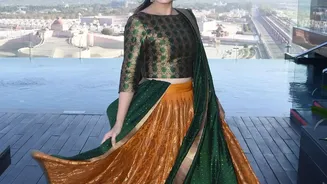
If green is the heart of Hariyali Teej, then gold is its radiant soul. Gold has always held a place of reverence in Indian culture, symbolising wealth, purity, and auspiciousness. When paired with the earthy depth of bottle green, gold provides a brilliant contrast that elevates the entire look from simple to spectacular. This combination isn't just a modern trend; it's a timeless pairing seen in heritage textiles and royal attire for centuries. The gold accents, whether as embroidery, zari work, or jewellery, catch the light and add a festive shimmer that is perfect for celebrations.
Styling the Perfect Pair
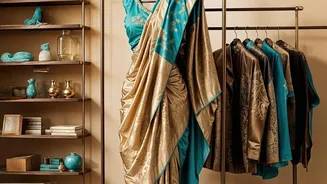
This Hariyali Teej, the bottle green and gold combination was seen in a variety of stunning ensembles. Classic bottle green sarees with heavy gold borders and pallus were a popular choice, paired with intricately embroidered gold blouses. Anarkali suits and lehengas in the same colour scheme also made a significant statement, featuring detailed gold threadwork, sequins, and gota patti. These outfits were often crafted from rich fabrics like silk, Chanderi, and georgette, allowing for a beautiful drape that complemented the richness of the colours.
Accessorising with Golden Grace
No festive look is complete without the right accessories, and gold jewellery is the definitive choice for a bottle green outfit. Traditional pieces like jhumkas, chandbalis, elaborate necklaces, and stacks of bangles in gold perfectly complemented the festive attire. Many women were seen pairing their outfits with Kundan and Polki jewellery, where uncut diamonds are set in gold, adding another layer of heritage and opulence. A simple maang tikka or a statement ring could also complete the look, proving that the Midas touch of gold was essential to capturing the festive spirit.
A Timeless Choice for Future Festivities
While Hariyali Teej provided the perfect backdrop for this colour combination, its appeal is not limited to a single festival. The pairing of bottle green and gold is a classic and versatile choice that works beautifully for a wide range of celebrations, from weddings and receptions to Diwali parties. Its inherent richness and elegance ensure that it remains a go-to option for anyone looking to make a sophisticated and traditional style statement. The popularity of this duo during Teej has only cemented its status as an evergreen trend in Indian ethnic wear.