


The Gut-Friendly Power Trio
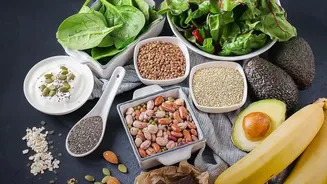
A healthy gut is foundational to overall wellness, and what you eat plays a starring role. For a truly supportive meal, focus on a trio of key components: fibre, fermented foods, and protein. High-fibre foods, such as vegetables, whole grains, and legumes,
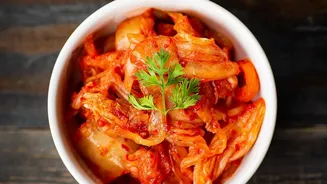
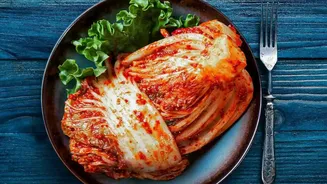
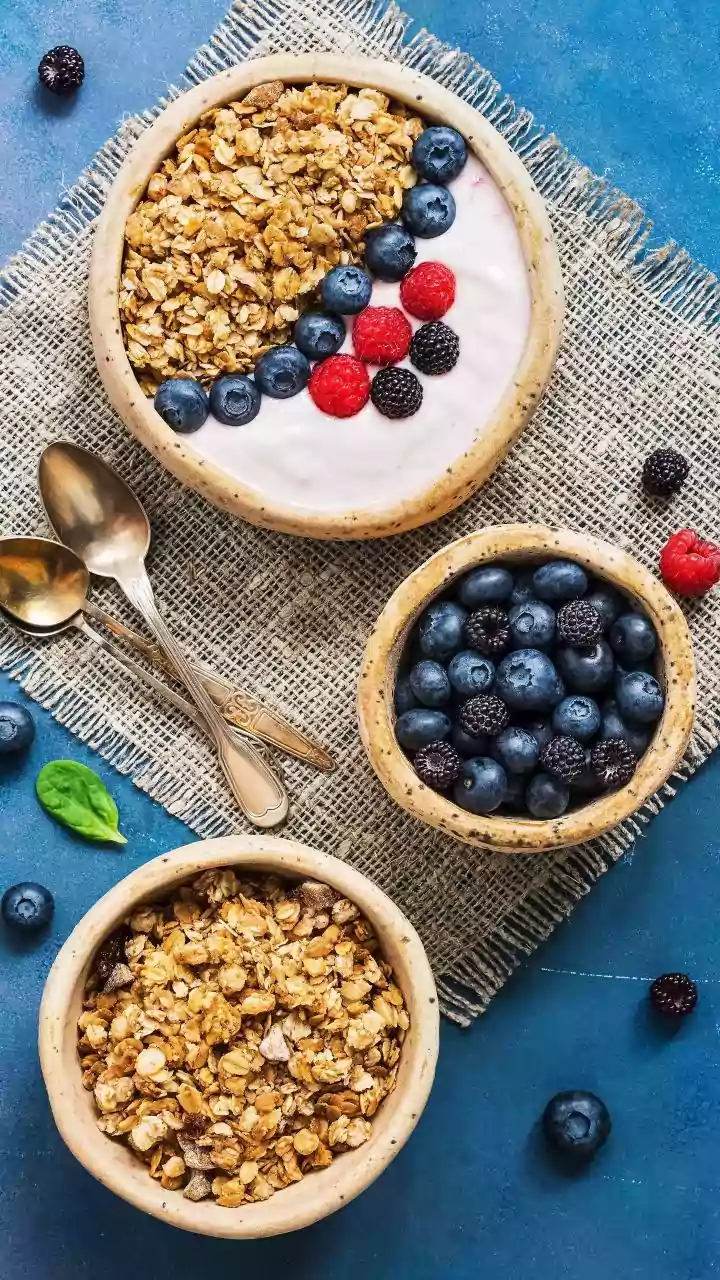
act as fuel for the beneficial microbes already living in your gut. These microbes break down the fibre, producing compounds that nourish your colon and support your immune system. Fermented foods like yogurt, kimchi, miso, and kefir introduce beneficial live cultures (probiotics) into your system, which can help increase microbial diversity and reduce inflammation. Combining these two is a powerful strategy for gut health. A 2021 Stanford study highlighted that while both high-fibre and high-fermented food diets are beneficial, they support the gut in different but complementary ways.
Why 20 Grams of Protein Matters
While fibre and ferments tend to your gut microbiome, protein ensures your meal is satisfying and structurally sound for your body. Aiming for at least 20 grams of protein per meal is a widely recommended target for stimulating muscle protein synthesis—the process of repairing and building muscle tissue. Consuming a sufficient amount of protein at dinner helps you feel full and satisfied, preventing late-night snacking. It also aids in blood sugar control and contributes to long-term metabolic health. Research indicates that distributing protein intake throughout the day, rather than consuming the bulk of it at dinner, is more effective for muscle health. Ensuring your evening meal hits that 20-gram target is a crucial part of a balanced daily intake.
The Magic of One-Pan Simplicity
Knowing what to eat is one thing; having the time and energy to cook it is another. This is where the beauty of one-pan and sheet-pan dinners comes in. These cooking methods are the ultimate weeknight hack, drastically reducing both prep time and, most importantly, cleanup. By cooking your protein, vegetables, and starches together on a single pan, flavours meld beautifully as everything roasts. This approach requires less active cooking time, freeing you up while the oven does most of the work. It’s an efficient way to get a balanced, home-cooked meal on the table, making healthy eating feel less like a chore and more like a simple, rewarding part of your day.
How to Build Your Meal
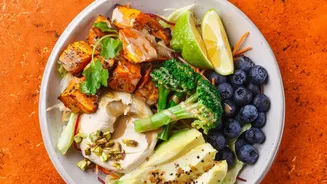
Building a gut-friendly, high-protein sheet-pan dinner is a simple, formulaic process. Start by choosing your protein source—think salmon fillets, chicken thighs, extra-firm tofu, or chickpeas. Next, load up the pan with fibre-rich vegetables. Hardy vegetables like broccoli, cauliflower, sweet potatoes, and Brussels sprouts work exceptionally well, as they can roast for a similar amount of time as most proteins. Toss everything in olive oil and your favourite seasonings. To incorporate fermented foods, you have two options. You can use a fermented ingredient as part of the cooking process, such as a glaze made from miso paste. Alternatively, and often more effectively for preserving live cultures, you can add a fermented food as a finisher. A dollop of plain yogurt, a side of kimchi, or sauerkraut can be added to your plate right before serving.
Dinner Ideas to Get You Started
Ready to try it? Here are a few combinations that bring all these elements together deliciously. For a Miso-Glazed Salmon sheet pan, toss broccoli florets and asparagus spears with oil and spread them on a pan alongside salmon fillets brushed with a mixture of miso paste, ginger, and a touch of honey. Roast until the salmon is cooked through. Another great option is Sheet-Pan Chicken Shawarma. Toss chicken strips, sliced bell peppers, and onions with shawarma spices and roast until tender. Serve in a bowl over quinoa with a generous dollop of plain Greek yogurt (a fermented food) and a sprinkle of fresh herbs. For a plant-based version, try Roasted Tempeh with sweet potatoes and green beans, served with a side of kimchi to add a spicy, probiotic kick.