


Citrus Fruits
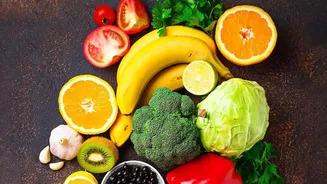
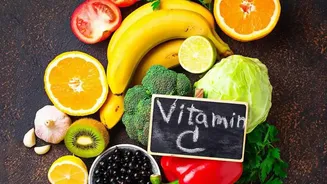
Oranges, lemons, and sweet limes are excellent additions to your monsoon diet. They are packed with Vitamin C, a powerful antioxidant that is crucial for a strong immune system. Vitamin C helps increase the production of white blood cells, which are your body's
primary defenders against infections. Instead of reaching for packaged juices, which can be high in sugar, opt for the whole fruit. This ensures you also get a healthy dose of fibre, which aids digestion. A simple glass of warm water with lemon and honey can be a soothing and protective start to your day.
Ginger and Turmeric
These two spices are staples in Indian kitchens and become even more valuable during the rainy season. Ginger is renowned for its ability to soothe the digestive system and fight nausea. It also has warming properties that can help combat the damp chill of the monsoon and provide relief from colds and coughs. Turmeric contains curcumin, a compound with potent anti-inflammatory and antioxidant properties that help fortify your body against infections. A warm cup of ginger-turmeric tea or adding both generously to your curries can provide comfort and a welcome immunity boost.
Yogurt
Gut health is intrinsically linked to your overall immunity, and the monsoon season can be tough on your digestive system. Yogurt, or dahi, is a natural and excellent source of probiotics, which are beneficial bacteria that help maintain a healthy balance in your gut. A healthy gut flora can effectively fight off harmful pathogens that are more prevalent during this season. Yogurt is also a great source of high-quality protein and calcium. Enjoy it as a simple bowl of curd, in a refreshing glass of buttermilk (chaas), or as a base for raita with your meals.
Lentils and Legumes
Warm, comforting, and incredibly nourishing, dals and legumes are perfect for monsoon meals. They are a fantastic source of plant-based protein, which is essential for building strength and repairing tissues, helping your body fight infections. Moong dal, in particular, is known for being very light and easy to digest, making it an ideal food when digestion can be sluggish. A simple khichdi made with rice and lentils is not just a classic comfort food but also a balanced and wholesome meal that provides sustained energy.
Nuts and Seeds
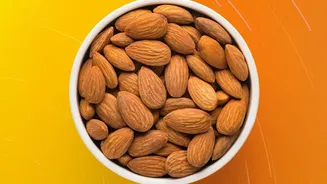
A small handful of nuts and seeds can provide a significant nutritional boost. Almonds, walnuts, and seeds like flax and pumpkin are packed with healthy fats, protein, vitamins, and minerals. Walnuts are a good source of omega-3 fatty acids, which help manage inflammation, while almonds provide Vitamin E, which supports immune function. Pumpkin seeds are a great source of zinc, a mineral the body needs to build its defences. They make for a convenient and filling snack that can keep you away from less healthy fried treats.
Corn
The sight and smell of roasted corn, or bhutta, is synonymous with the Indian monsoon. This seasonal favourite is more than just a tasty snack; it’s also nutritious. Corn is a good source of fibre, which aids digestion and promotes gut health—a key concern during the rains. It also contains various B vitamins and antioxidants that help protect your body's cells from damage. Enjoyed roasted on the cob with a squeeze of lime and a pinch of salt, it’s a healthy and satisfying way to embrace the spirit of the season.
Garlic
Known for its pungent aroma and flavour, garlic has been used for centuries for its medicinal properties. It contains a compound called allicin, which is known to have potent antibacterial and antiviral capabilities. Including garlic in your daily meals—be it in dals, sabzis, or soups—can help your body fight off the common infections that are rampant during the monsoon, such as the cold and flu. It’s a simple and flavourful way to add a layer of protection to your diet.
Cooked Leafy Greens
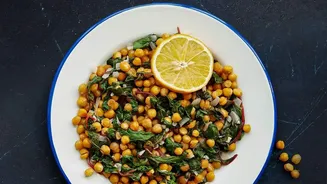
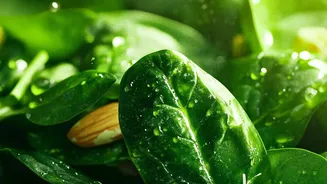
While you may be advised to be cautious with raw leafy vegetables during the monsoon due to the higher risk of contamination, you don't have to avoid them completely. Greens like spinach and fenugreek are rich sources of essential nutrients like Vitamins A and C, as well as antioxidants. The key is to wash them thoroughly and cook them well before eating. Steaming or adding them to cooked dishes like dal or sabzi helps retain nutrients while eliminating harmful germs, allowing you to enjoy their benefits safely.