



What the New Image Reveals
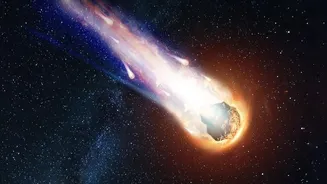
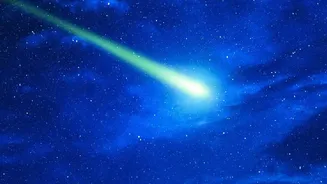
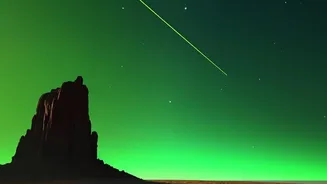
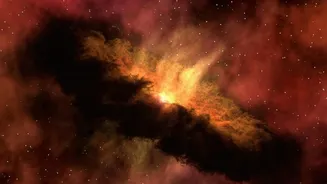
The latest buzz involves a stunning photograph released by NASA on August 3, 2026, which captured a bright meteor vaporizing as it streaked through the sky. The image, taken during a long exposure, showcases the brilliant trail left by a small, pebble-sized
meteoroid. What makes it so compelling are the vibrant colors within the streak, which scientists can analyze to understand the object's chemical composition and the intense conditions it experienced upon entering our atmosphere. This visual data helps NASA and other planetary defense agencies refine their models for tracking and predicting the behavior of near-Earth objects.
The Real Reason Meteors Burn So Bright
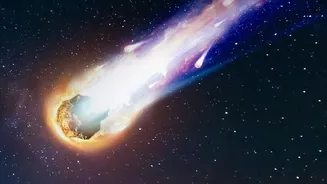
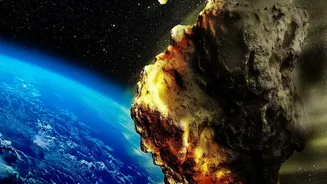
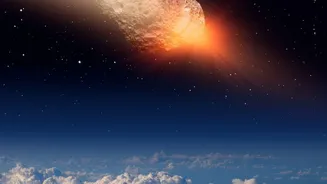
Many people assume that a meteor's spectacular glow is caused by friction with the air, but the reality is far more dramatic. The primary cause of the intense heat is the extreme compression of air in front of the object. As a meteoroid plunges into the atmosphere at tens of thousands of miles per hour, it compresses the air in its path so rapidly that the air has no time to escape. This compression causes the air's temperature to skyrocket to thousands of degrees—hotter than the surface of many stars—creating a pocket of incandescent plasma. It is this superheated air that incinerates the meteoroid, not friction.
Putting the Heat into Perspective
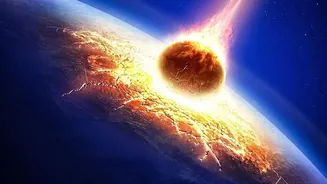
The temperatures generated during atmospheric entry are truly mind-boggling, often reaching 1,650 degrees Celsius (3,000 degrees Fahrenheit) or even higher. To put that in perspective, lava from a volcano erupts at around 1,200 degrees Celsius. The energy released by larger meteors can be even more astonishing. The 2013 Chelyabinsk meteor, for example, was a rock about 59 feet across that exploded in the atmosphere with the force of 30 atomic bombs. This tremendous release of energy is what creates the brilliant fireball, or bolide, that can light up the daytime sky and generate a powerful shockwave.
Our Planet's Invisible Shield
So, if these objects are so incredibly hot, why aren’t we in constant danger? The simple answer is that our atmosphere is an exceptionally effective shield. The same process of air compression that generates the heat is also what destroys most incoming objects. The intense pressure and heat cause most meteoroids to break apart and vaporize long before they can reach the ground. In fact, studies have shown that the high-pressure air in front of a meteor can seep into its cracks and pores, literally blowing it apart from the inside. Every day, about 100 tons of dust and sand-sized particles burn up harmlessly in this way, creating the familiar sight of shooting stars.
What If It Doesn’t Burn Up?
While the atmosphere protects us from the vast majority of space rocks, it's not foolproof. Larger, denser objects, or those made of iron, are more likely to survive their fiery descent. When a piece of a meteoroid survives and hits the ground, it's called a meteorite. Surprisingly, these are often not hot when they land. Having spent billions of years in the freezing vacuum of space, their interiors remain incredibly cold. The journey through the atmosphere is so brief—often just a few seconds—that only the outer layer melts, a process called ablation, which actually carries heat away. Many freshly fallen meteorites have even been found covered in frost.