







A Park Loved to Gridlock
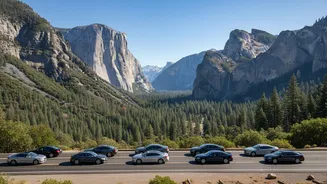
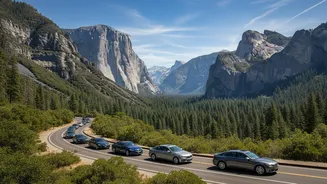
Yosemite is one of America's most beloved national parks, but its popularity has a significant downside: traffic. During peak season, it's not uncommon for visitors to face long lines at entrance gates and find parking lots in the famous valley full by
7:30 AM. This congestion not only frustrates visitors hoping for a tranquil escape but also puts a strain on the park's resources and delicate ecosystem. The problem has become so acute that park officials have been exploring various solutions for years, including reservation systems and now, a high-tech approach to managing the flow of people and vehicles.
Enter the Digital Ranger
As part of a $10 million grant from the National Park Foundation, Yosemite is developing an Integrated Visitor Information (IVI) project. This system will use a network of smart cameras, sensors, and AI-driven automation to collect real-time data on traffic, road status, and parking availability. The artificial intelligence component will process this constant stream of information to provide accurate, up-to-the-minute updates and potentially even predictive insights, acting like a digital park ranger that can see the entire park at once. This initiative is part of a broader push to bring technology upgrades to 21 national parks across the country.
What Changes for Visitors?
For the average visitor, this new system is designed to take the guesswork out of their trip. Instead of arriving at a packed parking lot, visitors will be able to check real-time conditions before they even arrive. Park officials plan to automatically share these updates across multiple platforms, including the park's official website, mobile apps, digital road signs, visitor center displays, and text alerts. This means you could see live wait times for entrance gates, receive alerts about road closures, and know exactly how many parking spots are left at popular trailheads, allowing you to adjust your plans on the fly and spend more time enjoying the scenery.
More Than Just Parking
While the immediate goal is to reduce traffic jams and parking headaches, the project has broader ambitions. By managing visitor flow more efficiently, the park hopes to reduce vehicle emissions and the environmental impact of overcrowding. A smoother, more predictable experience could also encourage visitors to use the park's free shuttle system more often, further reducing the number of cars on the road. This project is still in a conceptual phase, allowing the park to test various technologies to see what works best. The ultimate aim is to enhance the visitor experience while better protecting Yosemite's priceless natural and cultural resources for future generations.
The Future of National Parks
Yosemite's move is part of a larger trend of national parks turning to technology to solve modern problems. From deploying sensors and predictive analytics in Acadia National Park to analyzing cell phone data at the National Mall, the National Park Service is betting that smart tech can help manage the ever-increasing number of visitors. Some earlier projects in Yosemite have already explored using license plate readers to speed up entry times. While the idea of an algorithm managing a wilderness experience may seem counterintuitive, the goal is not to control nature, but to better manage the human impact upon it, ensuring these treasured landscapes remain accessible and pristine.