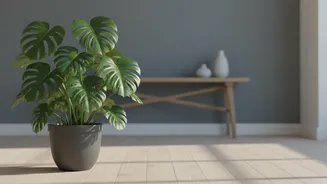



Start with a Home Audit
Before you fall in love with a plant at the store, get to know the environment you're bringing it into. The most crucial factors are humidity, space, and light. For humidity, you can use a simple digital tool called a hygrometer to get a precise reading.
Many plants are happy in the 40-60% humidity range found in most homes, but some tropicals prefer much more. You can also do a simple test: place a glass of ice water in a room and wait five minutes. If heavy condensation drips down the glass, your humidity is high; if there's no moisture, the air is likely quite dry. Next, consider physical space. Don't just think about the footprint; think about vertical height. A small corner could host a tall, slender plant, while a floating shelf is perfect for a trailing vine.
Decoding Your Home's Humidity
Different rooms have naturally different humidity levels. Bathrooms, with steam from showers, and kitchens, with boiling pots, are humidity hotspots. These are fantastic locations for plants that love a moisture-rich atmosphere. On the other hand, rooms with central air conditioning or heating, like living rooms and bedrooms, tend to have much drier air. Understanding this natural variation allows you to place plants where they are most likely to flourish without needing constant intervention like misting or humidifiers. Grouping plants together can also create a small pocket of higher humidity, as they release moisture through their leaves.
Plant Picks for Humid Spaces
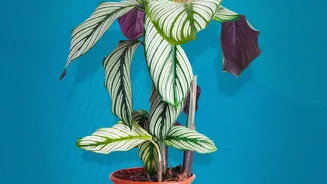
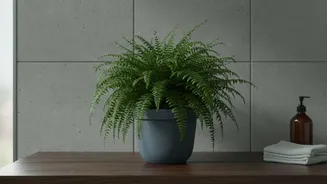
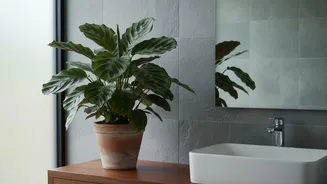
If your home audit reveals a humid bathroom or a steamy kitchen corner, you're in luck. Many of the most lush and beautiful tropical plants will thrive. Ferns, like the Boston Fern or Maidenhair Fern, are classic choices that adore moisture. Calatheas, often called Prayer Plants, with their stunning patterned leaves, also perform best in high humidity. Another excellent option is the Peace Lily, which is not only elegant with its white blooms but also quite tolerant of lower light conditions often found in bathrooms. These plants will reward you with vibrant growth in a space that mimics their native jungle floor environment.
Thriving in Drier Air
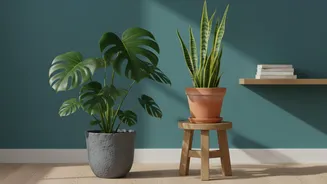
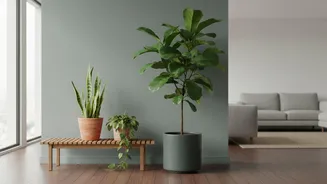
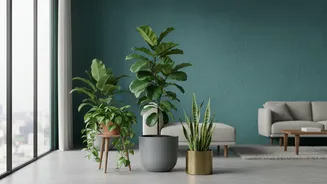
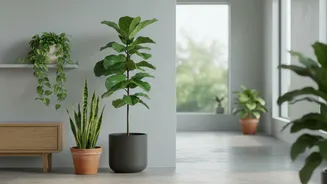
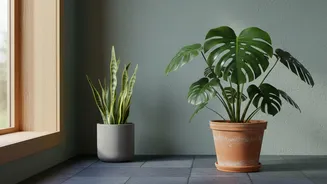
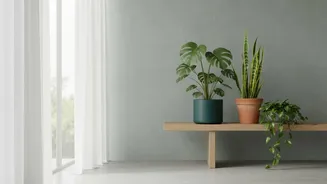
For those air-conditioned living rooms or dry apartment spaces, focus on plants that are built for resilience. The Snake Plant (Sansevieria) is a top contender; its upright, architectural leaves take up very little floor space and it is famously low-maintenance, tolerating low light and infrequent watering. Similarly, the ZZ Plant (Zamioculcas zamiifolia) has glossy, dark green leaves and is nearly indestructible, making it perfect for beginners or forgetful waterers. Succulents and cacti are also obvious choices for dry conditions, as they store water in their leaves and stems. A small Jade Plant on a sunny windowsill can bring greenery without demanding a humid environment.
Matching Plants to Your Space
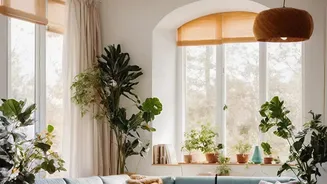
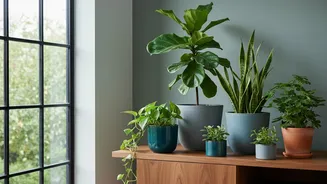
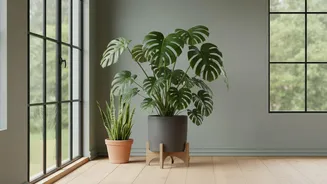
The physical size and growth habit of a plant are just as important as its environmental needs. For small apartments, vertical is the way to go. Trailing plants like Pothos (Money Plant) or Philodendrons can be placed on high shelves or in hanging baskets, creating a curtain of green without using any floor space. They are also incredibly forgiving for new plant owners. For empty corners, consider a young Rubber Plant or an Areca Palm, which grow tall and slender, drawing the eye upward. When shopping, remember that a smaller, more compact plant is often a better choice than a large, leggy one, as it will adapt better to its new home.
The Final Check at the Nursery
Once you have a list of plants suited to your home's humidity and space, it's time to shop. At the nursery, inspect your potential purchase carefully. Look for healthy, vibrant foliage without brown spots or yellowing. Check under the leaves and around the stems for any signs of pests, like tiny webs or sticky residue. If possible, gently check the root system; healthy roots should be firm and light-coloured, not dark and mushy. A pot with a few buds is often a better buy than one in full, glorious bloom, as it means the plant is still channelling energy into growth and will likely give you a better floral display at home.