






The Rupee-Per-Kilometre Equation
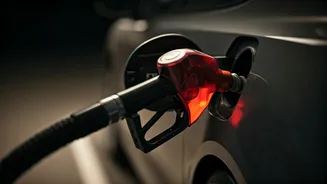
The single biggest driver behind the electric vehicle (EV) surge is simple arithmetic. For the average Indian commuter, the cost of running a petrol scooter has become a significant monthly expense. With petrol prices hovering well above ₹100 per litre
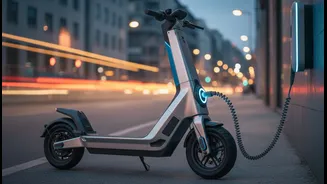
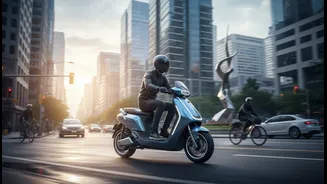
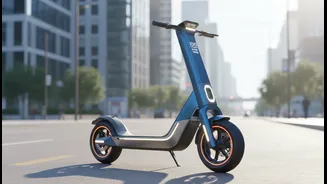
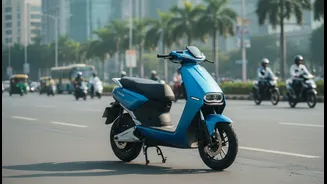
in most cities, a typical scooter delivering 45-50 km per litre costs between ₹2.20 and ₹2.50 for every kilometre travelled. In stark contrast, an electric scooter is dramatically cheaper to run. Charging at home, the cost per kilometre can be as low as ₹0.20 to ₹0.30. For someone commuting 40 kilometres a day, this difference is transformative. Monthly petrol bills of over ₹2,500 can shrink to just ₹300, a saving that is impossible for price-conscious consumers to ignore. This isn't a marginal gain; it's an order-of-magnitude reduction in daily running costs, fundamentally changing the economics of personal transport.
Beyond Fuel: The Total Cost Advantage
While the fuel savings are compelling, the financial benefits of going electric extend further. Electric scooters have far fewer moving parts than their internal combustion engine (ICE) counterparts. There is no engine oil to change, no spark plugs or air filters to replace, and no complex gearbox to service. This results in significantly lower maintenance costs. Annual service for a petrol scooter can easily cost between ₹3,000 and ₹5,000, whereas an EV's annual check-up is often a fraction of that, typically under ₹1,500. When combined with government incentives, which can include direct purchase subsidies and waivers on road tax and registration fees, the higher upfront cost of an electric scooter is often neutralized within just a few years of ownership. This makes the total cost of ownership for EVs increasingly attractive.
A Market in Overdrive
This economic logic is clearly reflected in recent sales data. In the first half of 2026, electric two-wheeler sales in India surged past the one million mark, showing massive year-on-year growth. In June 2026, the segment crossed a major milestone, capturing over 10% of the total two-wheeler market share for the first time. This growth is fueled by a fiercely competitive marketplace. Established giants like TVS and Bajaj are locked in a battle for supremacy, with their iQube and Chetak models leading the sales charts. They are closely followed by tech-focused startups like Ather Energy and established players like Hero MotoCorp's Vida, all of whom are seeing impressive growth by offering a wide range of products. This competition is a boon for consumers, leading to better technology, more choices, and increasingly competitive pricing.
Potholes on the Electric Highway
Despite the impressive growth, the road to full electrification is not without its obstacles. The most significant challenge remains the charging infrastructure, which is still underdeveloped in many parts of the country, especially outside major urban centres. This gives rise to "range anxiety," the fear that a vehicle will run out of power before a charging station can be found. Other concerns for potential buyers include the high upfront cost compared to some petrol models, questions about long-term battery life and replacement costs, and the lack of standardization in charging connectors. Furthermore, the resale value of used electric scooters is still an uncertain market, which can deter some buyers. Addressing these challenges is crucial for sustaining the current momentum.