






An Unprecedented Trade Reversal
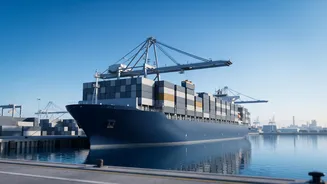
In a development that would have been unthinkable just a few years ago, shipments of Indian-made gasoline have been delivered to Russia to plug a growing domestic shortfall. Over the past two months, Indian refiners have supplied nearly one million barrels
of gasoline to Russia, a country that prides itself on its status as an energy superpower. This dramatic reversal in trade flows saw Russia's seaborne gasoline imports hit a record high in August. The shipments, primarily from Nayara Energy's Vadinar refinery in Gujarat, underscore a complex new reality in which India is helping its long-standing partner navigate a crisis at home.
Why Russia Needs Petrol: The Drone Campaign
Russia's sudden need for foreign fuel stems directly from a sustained and effective Ukrainian drone campaign targeting its oil infrastructure. Since early 2026, and escalating through the summer, Ukraine has repeatedly struck major Russian oil refineries deep inside its territory. These attacks have caused significant damage, forcing multiple facilities to halt or drastically reduce operations. By some estimates, the strikes have knocked out a significant portion of Russia's refining capacity, with daily gasoline production falling well short of domestic demand. The damage has proven difficult to repair quickly, leading to widespread fuel shortages, restrictions at petrol stations, and a crisis the Kremlin can no longer ignore.
India's Crucial Role as a Refining Hub
This situation has cast a spotlight on India's emergence as a global oil refining powerhouse. Since 2022, Indian refiners have been major buyers of discounted Russian crude oil. This strategy allowed India to secure its own energy needs at a favourable cost while also boosting its capacity to export refined products like petrol and diesel to the world. Now, in a twist of global trade, some of that same Russian crude is being processed in Indian refineries and sold back to Russia as finished gasoline. This circular trade route highlights the strategic and economic success of India's energy policy, positioning it as a pivotal player in a rewired global market.
The New Global Energy Map
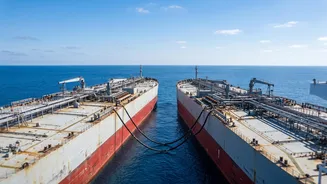
The India-to-Russia fuel shipments are more than just a temporary solution; they are a clear sign of how the war in Ukraine has fundamentally altered energy logistics. Western sanctions were designed to cripple Russia's energy revenues, but they also spurred the creation of new, resilient supply chains. Russia has successfully rerouted its crude oil exports to Asian partners like India and China. In turn, India has become a key supplier of refined products not just to its region, but also to Europe and now, ironically, back to Russia itself. This new energy map is defined by flexibility, pragmatism, and the rise of new hubs that can adapt to geopolitical disruptions. The trade often involves complex logistics, including ship-to-ship transfers and the use of sanctioned vessels, to navigate the current political landscape.
What This Means for India
For India, this development is a double-edged sword, presenting both opportunities and challenges. Economically, it reinforces the country's status as an indispensable refining hub, bringing in significant revenue and strengthening a key industrial sector. Diplomatically, it showcases India’s ability to maintain its strategic autonomy, balancing its long-standing relationship with Moscow while also engaging with Western partners. However, it also places India in a delicate position. By supplying fuel to Russia, even if it is a commercial transaction, New Delhi must carefully navigate the complex web of international sanctions and geopolitical sensitivities surrounding the conflict in Ukraine. This trade route, while profitable, requires a deft diplomatic touch to manage relationships with all major global powers.