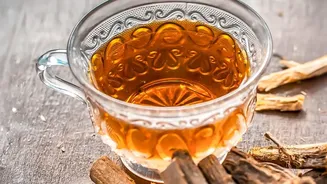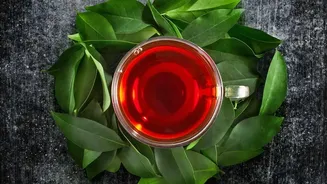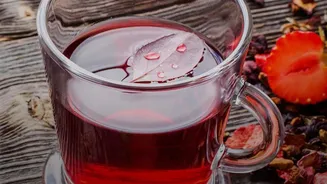








Rooibos tea, the ruby-red infusion from South Africa, is a global star in the wellness world. It's praised for being caffeine-free and packed with antioxidants. But beyond the hype, what can you realistically expect from your daily cup?
The Promise in the Plant
Rooibos, meaning
'red bush' in Afrikaans, comes from the Aspalathus linearis plant, grown exclusively in South Africa's Cederberg region. Unlike black or green tea, it's a herbal infusion and naturally contains no caffeine, making it a popular evening drink. It's also low in tannins, compounds that can interfere with the absorption of nutrients like iron. The tea's health reputation hinges on its unique and powerful antioxidants, especially aspalathin—which is found almost nowhere else—and quercetin. Antioxidants are compounds that fight cellular damage from unstable molecules called free radicals, and in theory, this helps protect the body against a range of illnesses.
Claim: A Boost for Heart Health
One of the most common claims is that rooibos benefits the heart. Some research suggests it can inhibit an enzyme that constricts blood vessels, potentially lowering blood pressure. A few small human studies have shown promising results. For example, one trial involving 40 adults at risk for cardiovascular disease found that drinking six cups of rooibos daily for six weeks led to a decrease in 'bad' LDL cholesterol and an increase in 'good' HDL cholesterol. However, the overall body of human evidence remains limited. While these initial findings are intriguing, larger-scale clinical trials are needed to confirm these effects.
Claim: A Weapon Against Diabetes
The rare antioxidant aspalathin has been a major focus of diabetes research. Lab and animal studies suggest it may help balance blood sugar and improve insulin resistance. Some reviews of human studies indicate that rooibos consumption can help lower blood glucose levels in both healthy and at-risk individuals. The theory is that aspalathin, along with other compounds in the tea, helps cells use glucose more effectively and may reduce the inflammation associated with high blood sugar. Despite this, scientific consensus is that much more research is required before it can be recommended as a tool for diabetes management.
Claim: Cancer Prevention and Anti-Aging
Antioxidants are often linked with preventing cancer and slowing the aging process, and rooibos is no exception. Test-tube studies have shown that the tea's antioxidants may help protect against DNA damage and inhibit the growth of cancerous cells. However, this is where the gap between lab research and human reality is widest. It's unclear if the body can absorb enough of these compounds from tea to have a meaningful effect. Currently, there is no strong scientific evidence from human trials to support claims that drinking rooibos tea can prevent cancer or slow aging.
The Verdict: Healthy Drink or Miracle Cure?
The science shows that rooibos tea is more than just flavoured water. It genuinely contains a potent mix of antioxidants. However, the evidence for its major health benefits in humans is still preliminary. Many of the most exciting findings come from lab or animal studies, which don't always translate to people. The term 'superfood' itself is a marketing label, not a scientific one, and no single food can act as a silver bullet for health. While rooibos contains beneficial compounds, its actual impact is likely modest and best seen as part of a broader healthy lifestyle. It's important to note that while generally very safe, there have been very rare case reports of liver issues linked to consuming very large quantities.