










The ‘Proper’ Nolan Experience
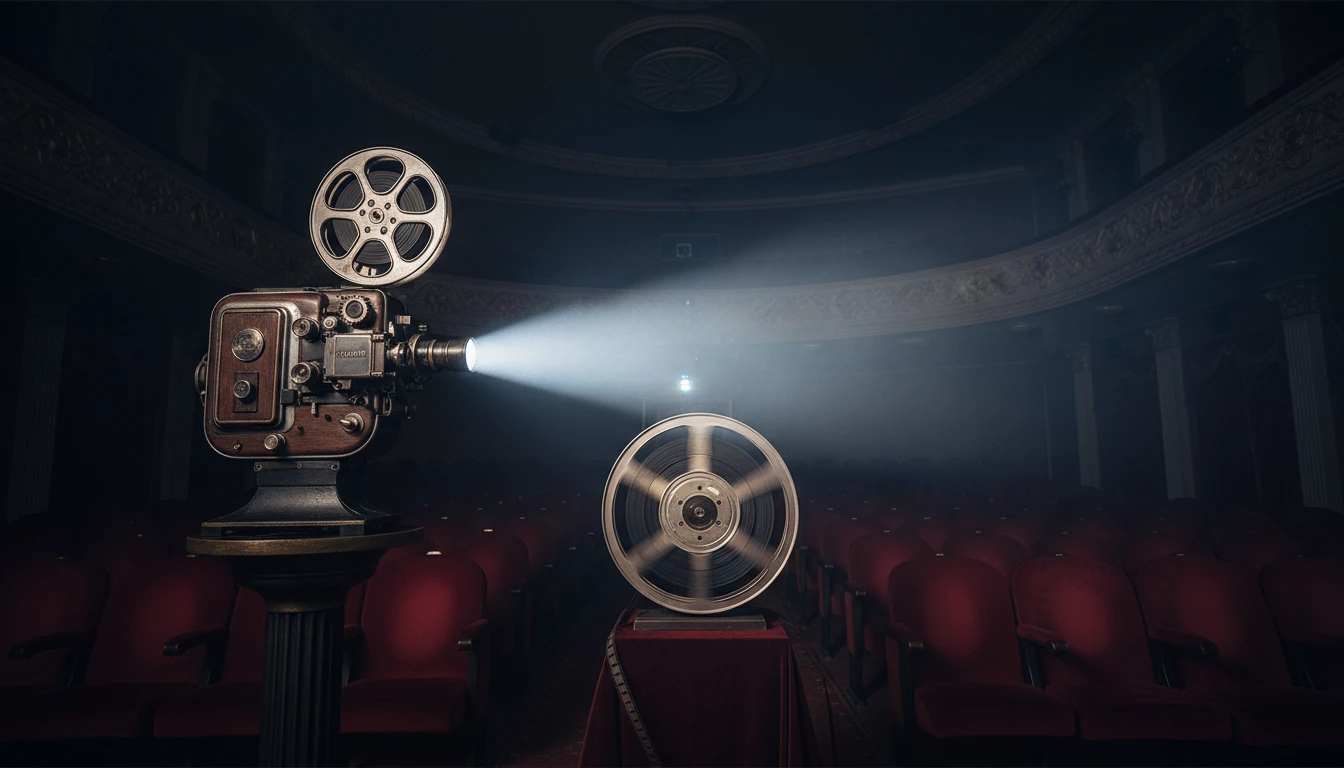
The key to understanding the headline lies in director Christopher Nolan's deep commitment to celluloid film, specifically the IMAX 15/70mm format. This isn't your standard movie projection. The film frame is gigantic, running horizontally through the projector.
Each frame is 15 perforations wide, creating an image with a potential resolution equivalent to 18K. Nolan himself calls it the "gold standard" of cinema, arguing it's the closest technology comes to replicating how the human eye sees the world. For his latest film, 'The Odyssey,' it's the first time a feature has been shot entirely with IMAX cameras. This means that to see the full, intended image in its highest possible quality, with a massive 1.43:1 aspect ratio that fills your entire field of vision, you need a theatre with a very specific, and very rare, film projector.
A Director's Uncompromising Vision
For Nolan, using film is not about nostalgia; it’s about creating an unparalleled immersive experience. He has long been an advocate for practical effects and shooting on physical film, believing it offers a texture and depth that digital formats cannot replicate. He argues that by shooting on IMAX 70mm film, the screen itself disappears, giving the audience a feeling of 3D without the need for glasses. This dedication means using cameras that are notoriously heavy and loud, requiring the film to be reloaded every three minutes during shooting. The resulting film reels for a feature-length movie are enormous, weighing hundreds of kilograms and requiring specialist projectionists and equipment that most modern cinemas simply do not have. It’s a costly and difficult process, but one Nolan believes is essential to his art.
The Exclusive Club of 41
The headline's number, 41, refers to the handful of theatres across the globe that still maintain and operate IMAX 15/70mm film projectors. The vast majority of cinemas, including most that carry the IMAX brand, shifted to digital projection years ago. These 41 venues are the last bastions of this analogue technology. Most of them are located in North America, with a few scattered across the United Kingdom and Australia. For the release of 'The Odyssey', demand has been so high that cinephiles have planned holidays and crossed oceans just to secure a seat at one of these locations, turning a movie screening into a pilgrimage. The number has actually grown from just 30 during the release of 'Oppenheimer', as IMAX has worked to refurbish old projectors to meet the Nolan-driven demand.
What About Moviegoers in India?
For audiences in India, the news is straightforward: none of these 41 theatres are located here. While India has a growing number of excellent IMAX screens in cities like Mumbai, Delhi, Bengaluru, and Hyderabad, they all use digital projection systems, primarily IMAX with Laser. India did once have a true 70mm film IMAX projector at Prasad's in Hyderabad, once the world's largest 3D IMAX screen, but it was converted to digital years ago due to the high cost and lack of film-based movies. Another 15/70mm projector exists at Gujarat Science City, but it is used for educational films, not commercial releases. As a result, Indian audiences will see a digitally remastered version of the film, not the analogue 15/70mm film presentation.
Is Digital IMAX A Compromise?
While not the purist's 'proper' format, watching a Nolan film in a digital IMAX theatre is still a premium, powerful experience. Modern IMAX with Laser systems deliver incredibly bright, sharp images with high contrast and immersive sound that far surpasses a standard cinema screen. You won't get the unique 1.43:1 aspect ratio for the entire film, which means you won't see quite as much of the vertical picture as in the 70mm film venues, but the experience is still designed by Nolan to be spectacular on a large screen. The narrative and emotional impact of the film remain fully intact. Ultimately, while the 70mm film experience is a rare treat for a lucky few, Nolan's films are crafted to be cinematic spectacles in any premium large format.