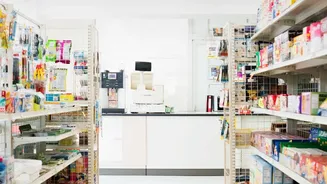






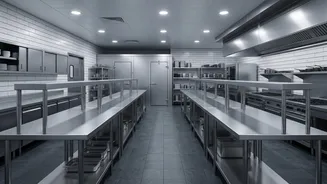


Behind the Kitchen Doors
Recent surprise inspections, particularly in high-end hotels, have revealed a troubling pattern of negligence. FSSAI officials have documented numerous violations, including food being left uncovered, making it susceptible to contamination from pests
and airborne bacteria. Inspectors found instances of mouldy fruit, rotten vegetables, and expired products still present in storage. Furthermore, the widespread use of damaged, cracked, or broken containers for food storage was a significant red flag. These inspections weren't limited to one-off issues; some establishments were cited for dozens of deficiencies, ranging from pest infestations like cockroaches and flies to improper segregation of vegetarian and non-vegetarian items, creating a high risk of cross-contamination.
The Hidden Risks on Your Plate
The violations flagged by the FSSAI are not minor infractions; they pose serious public health risks. Uncovered food is an open invitation for bacteria, viruses, and pests, which can lead to foodborne illnesses like gastroenteritis. Damaged plastic containers are another significant cause for concern. When plastic is cracked or warped, it can be difficult to clean properly, allowing harmful bacteria to thrive in the crevices. More alarmingly, damaged or non-food-grade plastics can leach harmful chemicals, like BPA and phthalates, into the food they hold, especially when exposed to hot or acidic items. This chemical migration has been linked to potential long-term health issues. The combination of poor hygiene and improper equipment creates a dangerous cocktail that can turn a delightful meal into a health nightmare.
A Nationwide Wake-Up Call
These findings are part of a broader, intensified drive by the FSSAI and state-level food safety departments to enforce stricter hygiene standards across the country. Following a series of shocking discoveries at luxury hotels in Delhi and similar crackdowns in cities like Bengaluru, the regulator has put the hospitality industry on notice, declaring a "zero tolerance" policy for such violations. This renewed focus is partly driven by an increase in consumer complaints and social media's role in highlighting unsanitary conditions. The FSSAI has made it clear that all establishments, regardless of their star rating, must adhere to the fundamental principles of food safety, or face penalties, including suspension of licenses.
How to Be a Smarter Diner
While regulators are stepping up enforcement, consumers can also play a crucial role in protecting themselves. Before you even order, there are signs you can look for. Pay attention to the overall cleanliness of the restaurant, including the dining area, tables, and especially the washrooms—a poorly maintained restroom can be indicative of a wider disregard for hygiene. Observe the staff: are their uniforms clean? Do they handle food and money separately? While you can't see the kitchen, you can check if the establishment has its FSSAI license prominently displayed, as is required by law. If you have a bad experience or spot a clear violation, don't just ignore it. You have the right to report it.
Your Right to Safe Food
The FSSAI has empowered consumers to be its eyes and ears. If you encounter expired products, poor hygiene, or any other food safety issue, you can file a complaint. The most direct way is through the 'Food Safety Connect' app or web portal, where you can describe the issue, provide details of the outlet, and even upload photos as evidence. Complaints can also be lodged via email or a toll-free helpline. This citizen reporting system helps authorities identify problem areas and take targeted action, strengthening the overall food safety ecosystem for everyone.