




Confirmed: A Ceasefire and an Open Waterway
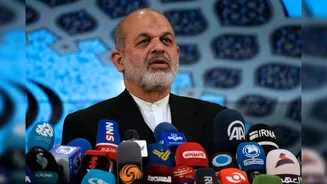
The most significant confirmed piece of the puzzle is the Islamabad Memorandum of Understanding, signed back on June 17. This agreement, brokered by Pakistan, established a framework to end active military hostilities that had flared up earlier in the year.
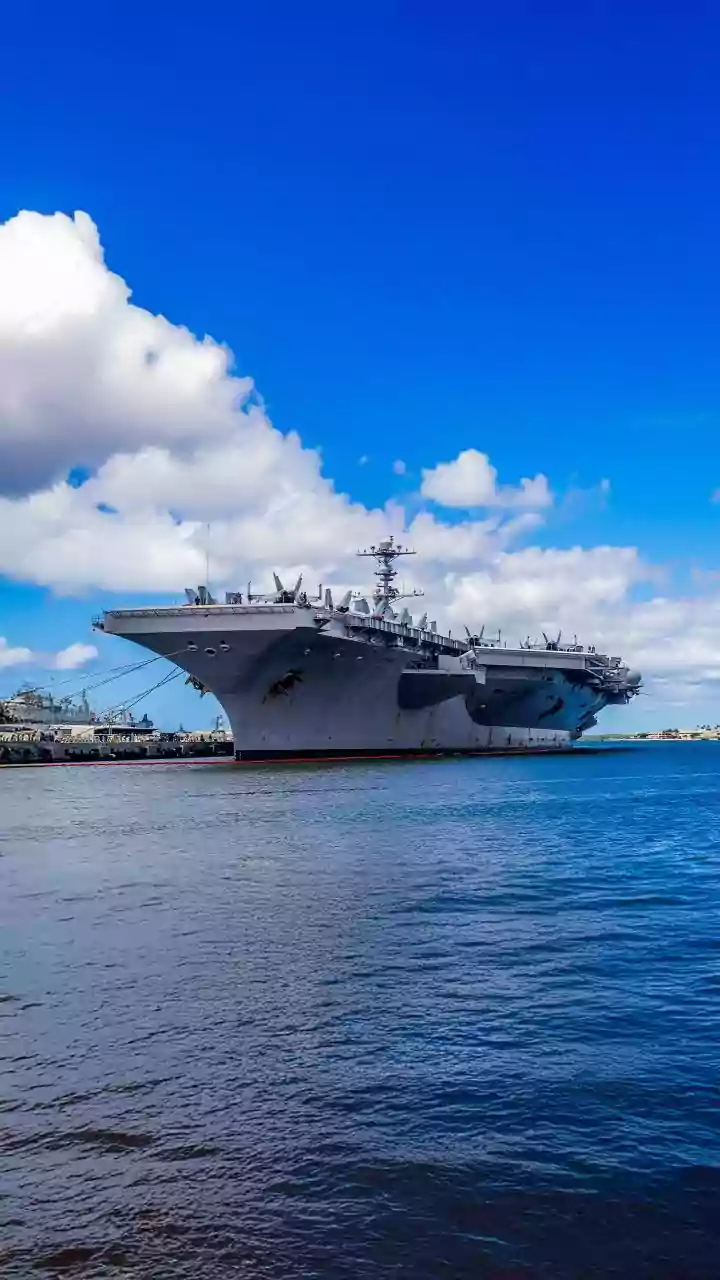
A key provision was the reopening of the crucial Strait of Hormuz, a vital channel for global oil trade that Iran had closed. In exchange, the United States agreed to lift its naval blockade of Iranian ports. As of mid-August, with the initial 60-day ceasefire nearing its expiration, sources indicate both sides have conveyed consent to extend the truce, although the exact duration remains under negotiation. This temporary calm is the bedrock of the current diplomatic effort, preventing a slide back into open conflict.
Unclear: The Future of the Nuclear Program
The elephant in the room remains Iran's nuclear program. While the June agreement paused the fighting, it deliberately kicked the can down the road on the most complex issue. The memorandum set a 60-day timeline for follow-up talks to address Iran's uranium enrichment levels and its existing stockpiles of highly enriched material. However, no substantial breakthrough on this front has been announced. This issue is the original source of much of the tension and a primary concern for the US and its regional allies, including Israel. Without a long-term, verifiable agreement on the nuclear file, any 'peace' is built on shaky foundations. This remains the largest and most challenging hurdle to a permanent resolution.
Confirmed: An End to Immediate Hostilities
The June memorandum explicitly called for the "immediate and permanent termination of military operations on all fronts." This successfully pulled both nations back from a dangerous precipice that saw a brief but intense war in 2025 and further strikes in 2026, which included Iran closing the Strait of Hormuz and responding to attacks with its own missile and drone strikes on US assets in the region. While there have been reports of ceasefire violations, the core agreement to halt large-scale military actions has largely held, allowing mediators from Pakistan and Qatar to facilitate ongoing, if difficult, dialogue. It represents a mutual decision to de-escalate from a conflict that was proving costly for both sides and the global economy.
Unclear: Sanctions Relief and Economic Recovery
For Iran, the primary goal beyond security is economic relief from crippling sanctions. While the US acknowledged the need to relax sanctions to allow Iran to sell more oil and stabilize its economy, the specific details, scope, and timing of this relief are still murky. Washington sees sanctions as its main leverage to extract concessions on the nuclear program and other issues. Tehran, on the other hand, is unlikely to offer significant compromises without concrete economic benefits. Reports suggest Iran is linking any permanent deal on the Strait of Hormuz to wider US economic concessions, creating a classic diplomatic stalemate where neither side wants to give up its most powerful bargaining chip first.
Why This Matters for India
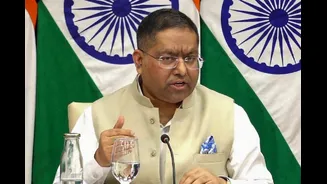
The fragile truce in the Gulf has significant implications for India. First and foremost is energy security. The closure of the Strait of Hormuz sent global oil prices soaring, directly impacting India's import-dependent economy. A stable, open strait means more predictable and affordable energy supplies. Secondly, regional stability is paramount for New Delhi, which has deep economic ties and a large diaspora across the Middle East. A de-escalation between Washington and Tehran lowers the risk of a wider conflict that could endanger Indian interests. Finally, a potential diplomatic thaw could create new opportunities for strategic projects, like the Chabahar Port in Iran, which is crucial for India's trade access to Afghanistan and Central Asia, by reducing the pressure of secondary US sanctions.