




The Core of the Crisis
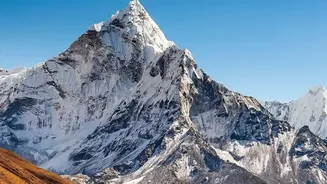
A new report from an international team of climate scientists has found that rising temperatures have likely played a significant role in destabilising the Himalayan slopes. A catastrophic rock and ice collapse in Nepal in August, which killed over 1,300
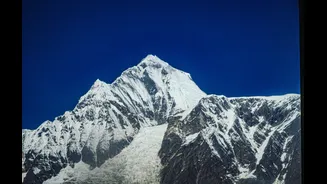
people, bears the clear fingerprints of climate change. While researchers caution that warming was not the sole cause, with a major 2015 earthquake also potentially weakening the rock, they concluded that long-term temperature increases intensified the processes that made the landscape less stable over decades. The analysis highlights that the very structure of the mountains is being compromised by a warming world.
How Warming Unlocks Instability
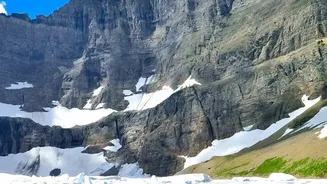
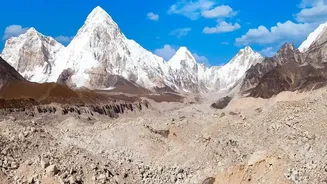
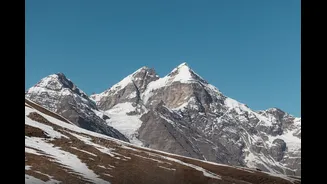
The mechanics of this growing instability are driven by two primary factors: melting glaciers and thawing permafrost. The Himalayan region is warming at a rate faster than the global average, causing glaciers to thin and retreat at an alarming pace. One report found glaciers in the area have been losing mass equivalent to over half a meter of thinning each year. This retreat exposes rock that was once buttressed by ice. At the same time, the freezing line—the altitude where the ground stays frozen year-round—is moving upward by about 100 meters per decade. This thaws permafrost, the frozen soil and rock that acts like a natural glue holding mountainsides together. As this icy cement melts, the rock becomes weaker and more prone to catastrophic failure.
A Cascade of Hazards
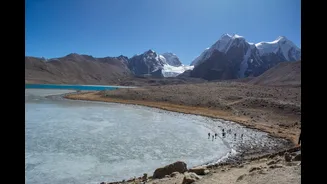
This physical instability translates into a cascade of deadly hazards for those living in the mountain's shadow. The most dramatic are massive rock and ice avalanches, like the one that occurred in August 2026. The collapse triggered a devastating torrent of water, ice, and debris that swept through downstream communities. Another major threat is the growth of glacial lakes. As glaciers melt, water pools behind natural dams of loose rock and debris. These moraine dams are often unstable and can burst without warning, causing Glacial Lake Outburst Floods (GLOFs) that can devastate villages and infrastructure miles downstream. Even smaller lakes, once considered low risk, are now causing destructive floods.
The Human Cost and a Looming Water Crisis
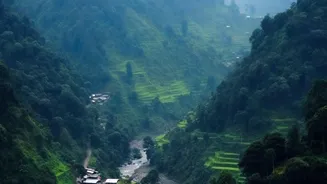
The immediate victims are the communities in Nepal’s narrow river valleys, where homes, roads, and crucial hydropower projects are concentrated. But the impact extends far beyond the mountains. The great rivers of South Asia—including the Indus, Ganges, and Brahmaputra—are fed by Himalayan glaciers. While melting initially increases water flow, this will be followed by a long-term decline as the glaciers disappear, threatening the water supply for over a billion people in the region, including in India. This could disrupt everything from urban water systems to food and energy production, potentially leading to severe shortages and even mass migration. The mountains are sending a clear warning that affects the entire subcontinent.
The Limits of Adaptation
While improved monitoring and early warning systems can help mitigate some risks, the recent report highlights that there are limits to adaptation. The sheer scale and speed of events like the recent collapse can overwhelm existing preparedness measures. Since the warming that causes these changes is already locked into the climate system, some level of continued destabilisation is unavoidable. Scientists stress that the most critical action is to rapidly reduce greenhouse gas emissions to prevent temperatures from rising further. For nations like Nepal, which contribute a tiny fraction of global emissions but suffer disproportionately, this has become a matter of climate justice and existential threat.