





A Fragrance Fit for a Princess
The story of neroli oil is intrinsically linked with 17th-century Italian nobility. Its name is credited to Anne Marie Orsini, the Princess of Nerola, a town near Rome. She was so captivated by the scent of bitter orange blossoms that she used the essence
to perfume everything from her gloves to her bathwater. Her popularization of the fragrance among European high society cemented its status as a symbol of luxury and sophistication. While its famous name is Italian, the bitter orange tree itself (Citrus aurantium amara) has roots tracing back to Southeast Asia, arriving in the Mediterranean via trade routes centuries earlier. Today, the leading producers of this precious oil are countries like Tunisia, Morocco, and Egypt.
The Delicate Art of Extraction
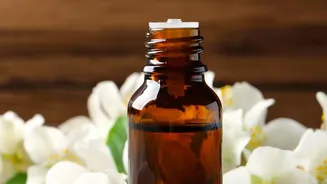
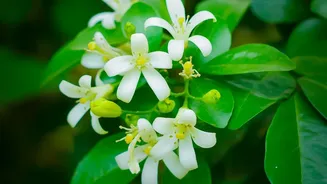
The reason neroli oil carries a high price tag comes down to its demanding and labor-intensive production process. The oil is extracted from the delicate white blossoms of the bitter orange tree through steam distillation. These flowers are typically hand-picked in the spring during a very short blooming window. To preserve their fragrant compounds, they must be distilled almost immediately after harvesting. It takes a tremendous quantity of blossoms—often cited as around 1,000 kilograms—to produce just one kilogram of neroli essential oil. The water that remains after the distillation process is also fragrant and is sold as orange blossom water. This meticulous process ensures the final oil is incredibly potent and complex, with a scent profile described as honeyed, green, and slightly spicy.
The Benefits for Skin and Soul
Beyond its exquisite aroma, neroli oil is celebrated for its powerful benefits in both skincare and aromatherapy. For the skin, it is renowned for its ability to help regenerate cells, which can improve skin elasticity and aid in reducing the appearance of scars, fine lines, and stretch marks. Neroli oil is also known for its antibacterial and anti-inflammatory properties, making it a soothing choice for acne-prone or irritated skin by helping to reduce redness. Its balancing properties can help regulate sebum production, making it suitable for oily and combination skin types without causing dryness. In aromatherapy, the scent of neroli is treasured for its calming effects on the nervous system, often used to help alleviate feelings of stress and anxiety.
How to Weave Neroli into Your Routine
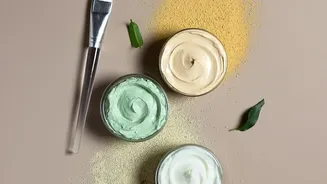
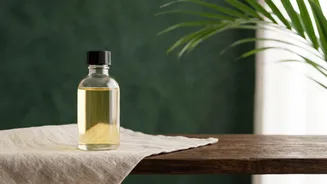
Incorporating this liquid gold into your beauty regimen is simpler than you might think, but dilution is key. Essential oils are highly concentrated and should not be applied directly to the skin. Always dilute a few drops of neroli oil with a carrier oil—such as jojoba, almond, or argan oil—before application. A patch test on a small area of skin is always a good idea to check for sensitivity. For a facial treatment, you can add a single drop of diluted neroli oil to your favorite moisturizer to boost its rejuvenating properties. Create a spa-like experience at home with a facial steam by adding a few drops of neroli and geranium oil to a bowl of hot water. You can also add 3-5 drops, mixed with a carrier oil, to a warm bath for a relaxing soak that benefits both your skin and your mood. For an all-over body treatment, mix it into an unscented body lotion or a carrier oil and apply after a shower.
Reading the Label: Neroli, Petitgrain, and Bitter Orange
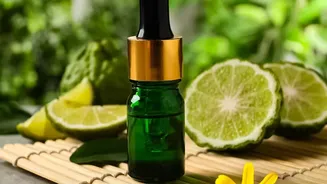
When shopping, it’s helpful to know that the bitter orange tree is the source of three distinct essential oils. Neroli comes from the flowers. Petitgrain is steam-distilled from the leaves and twigs, resulting in a greener, woodier scent. And bitter orange oil is cold-pressed from the peel of the fruit, giving it a sharp, bright citrus aroma. While all three are related, neroli is the most prized for its complex floral fragrance and potent skincare benefits. To ensure you are getting the real thing, look for 'Citrus aurantium amara (Neroli) flower oil' on the ingredient list. Be wary of products that simply list 'fragrance' or 'parfum,' as these may be synthetic and will not offer the same therapeutic properties.