


A Journey Back in Time
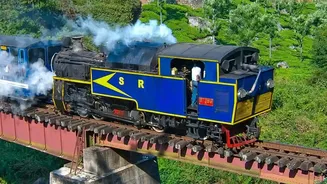
The romance of steam-powered travel is once again becoming a regular feature on the historic Nilgiri Mountain Railway (NMR). For years, the full steam experience was primarily limited to the steep, scenic stretch between Mettupalayam and Coonoor, with
diesel engines taking over for the final leg to Udhagamandalam (Ooty). However, in a move celebrated by tourists and heritage enthusiasts alike, Southern Railway has been working to bring back the charm of coal-fired and oil-fired steam locomotives to more segments of this beloved line. These services, often run as special chartered trips or seasonal offerings, allow passengers to experience the entire journey powered by the rhythmic pulse of a vintage engine, just as it was over a century ago.
More Than Just a Train
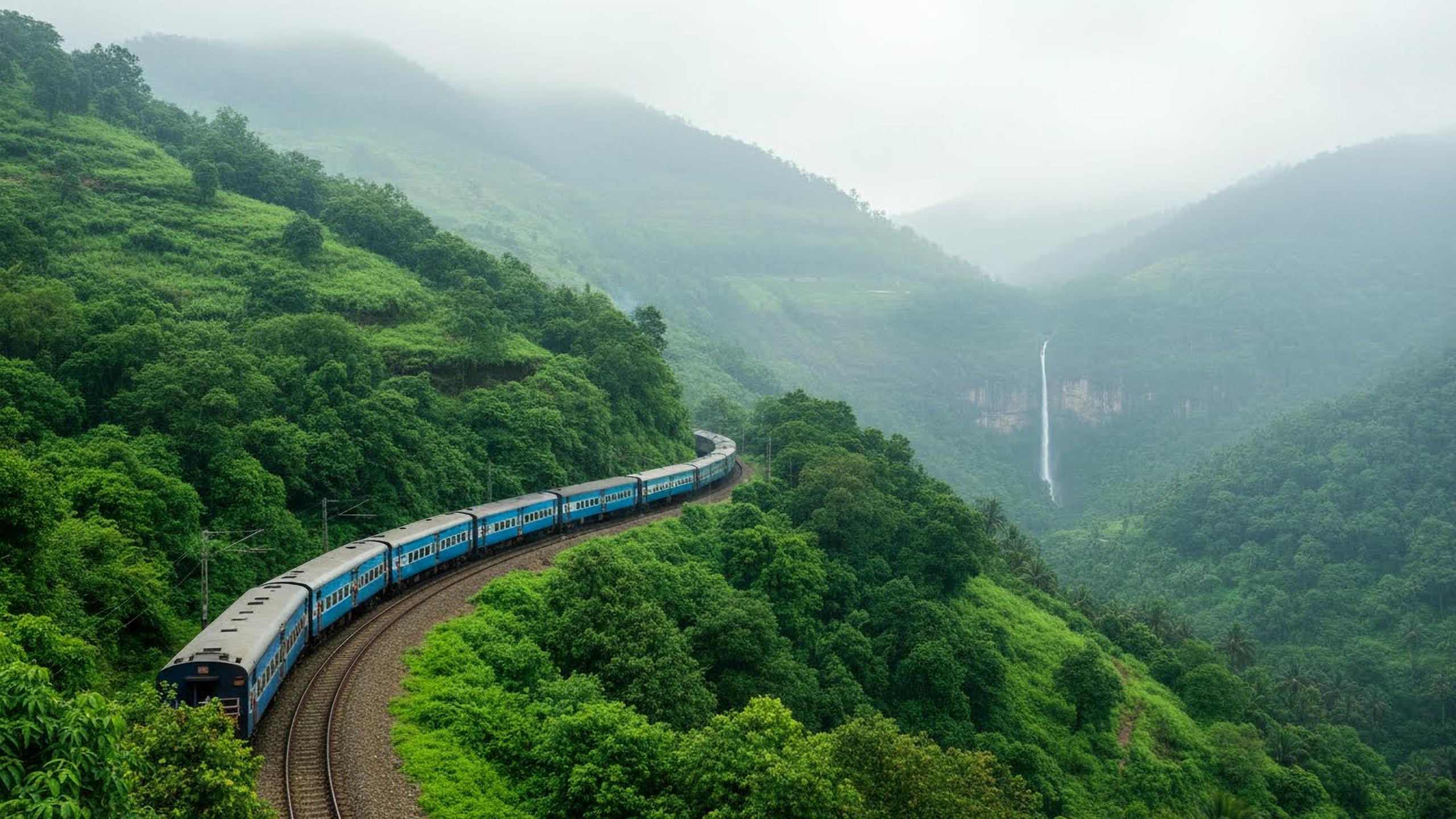
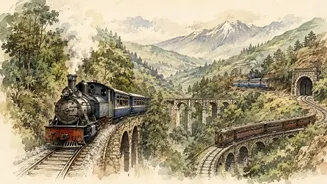
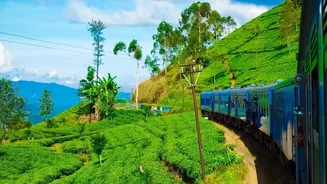
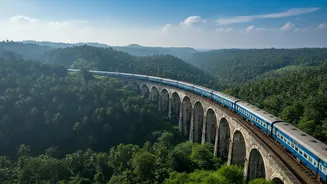
Designated a UNESCO World Heritage site in 2005, the NMR is far more than a simple mode of transport; it's a living, breathing piece of engineering history. Built by the British and opened in 1908, the railway was an audacious project designed to connect the plains with the cool climes of the hill station. Its most remarkable feature is the Abt rack and pinion system used between Mettupalayam and Coonoor, the only one of its kind in India. This unique technology allows the train to grip the track and ascend gradients as steep as 1 in 12, a feat that remains an engineering marvel. The journey takes passengers across 250 bridges and through 16 tunnels, offering breathtaking views of lush valleys and tea plantations.
The Magic of Steam Power
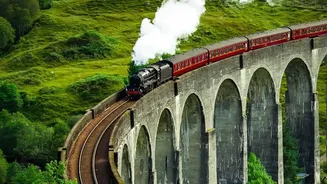
While modern diesel locomotives are reliable and efficient, they lack the multi-sensory experience that makes a steam engine journey so unforgettable. The rhythmic chugging, the sharp blast of the whistle echoing through the hills, the smell of coal and steam, and the sight of the engine working hard against the gradient create an immersive atmosphere that transports passengers to another era. These 'X' Class locomotives, many originally built by the Swiss Locomotive and Machine Works, are themselves historic artefacts. Though some have been converted to run on oil to mitigate environmental concerns and reduce manual labour, their fundamental mechanics and heritage appeal remain unchanged. The experience is slower, more deliberate, and allows travellers to truly soak in the stunning Nilgiri landscape.
Preserving a National Treasure
Maintaining a fleet of century-old locomotives is a monumental task. The Golden Rock Railway Workshop in Tiruchirappalli has been instrumental in this effort, not only overhauling the vintage Swiss-made engines but also manufacturing new steam locomotives to keep the tradition alive. In recent years, the workshop has produced both coal-fired and oil-fired engines, built to replicate the heritage design while incorporating necessary modern adjustments. These efforts underscore a deep commitment by Indian Railways to preserve the NMR's unique identity. The railway continues to issue traditional Edmondson-style manual tickets for parts of the journey, further safeguarding its World Heritage status and old-world charm.
A Boost for Nilgiri Tourism
The reintroduction and emphasis on steam-hauled services are a significant draw for tourism in the Nilgiris. These journeys attract railway aficionados and curious tourists from across the globe, many of whom are willing to pay a premium for chartered services to guarantee an authentic steam experience. Special summer services and weekend heritage runs between Mettupalayam and Coonoor cater to this demand, often selling out well in advance. For many visitors, the train ride is not just a part of their holiday itinerary; it is the destination itself. This renewed focus on heritage helps sustain the local economy and ensures that the legacy of the 'toy train' continues to delight and inspire.