




The Allure of the 'Health Halo'
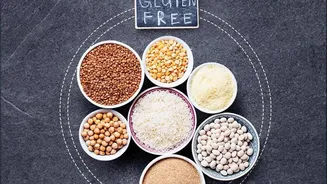
The 'health halo' effect is a cognitive bias where we overestimate the overall healthiness of a food based on one seemingly positive attribute. This could be a label claiming it's 'organic', 'low-fat', 'gluten-free', or 'all-natural'. Our brains see that
one positive cue and create a halo of virtue around the entire product, leading us to believe it's a better choice than it might actually be. This effect is so powerful that it can encourage us to overconsume certain foods or ignore other, less desirable aspects on the nutrition label, like high sugar or sodium content. For example, we might choose veggie chips over potato chips, assuming they are healthier, when their fat and salt content could be nearly identical.
What the Science Says About Pretty Food
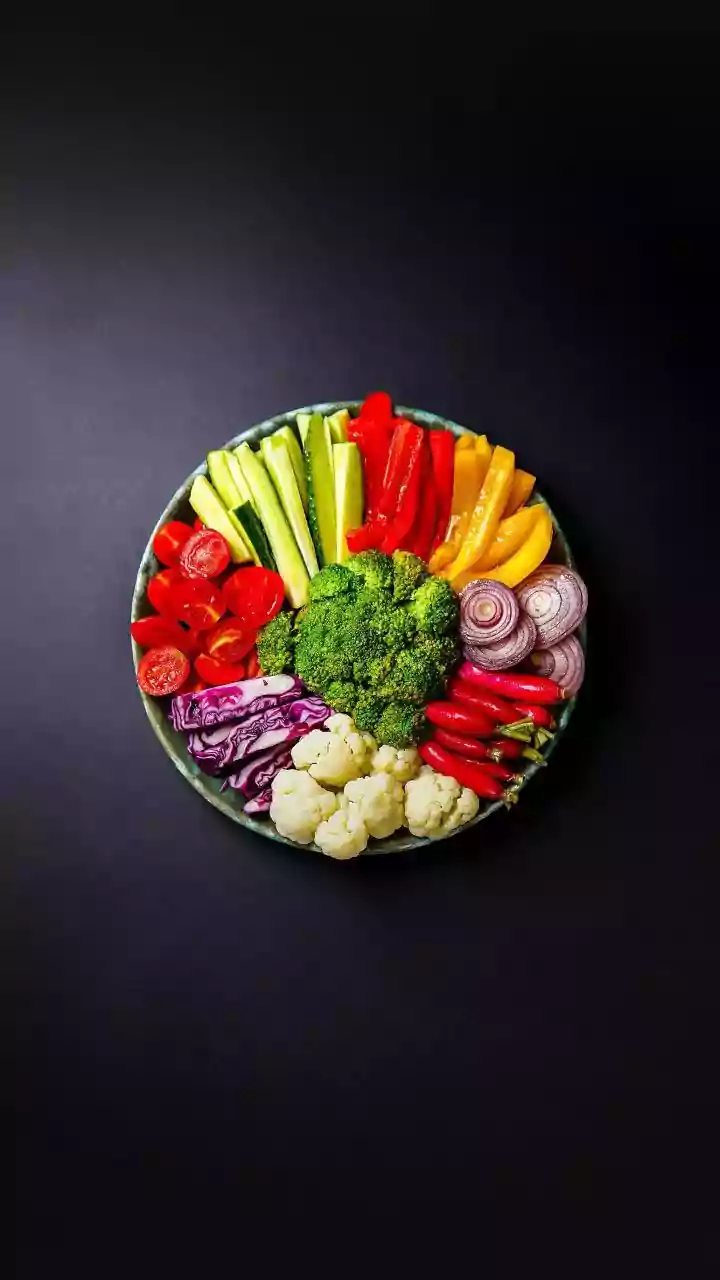
Recent research digs deeper into how visual presentation, not just labels, skews our perception of health. A study published in the Journal of Marketing by Linda Hagen found that consumers consistently perceive food that looks 'pretty'—meaning it has classical aesthetic qualities like symmetry, order, and balance—as being healthier. In the experiments, people judged identical foods as more natural and nutritious when they were presented beautifully compared to when they were presented messily. This bias held true even for indulgent foods like cupcakes. The association is rooted in our brains linking classical beauty with patterns found in nature, which we subconsciously equate with being natural and therefore, healthy. Other studies confirm this, showing that food served on more beautiful plates is perceived as both tastier and healthier.
The Psychology of Eating with Your Eyes
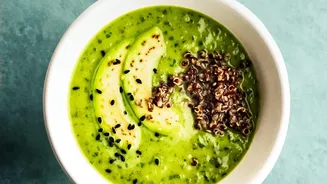
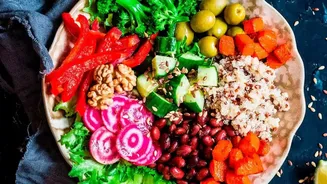
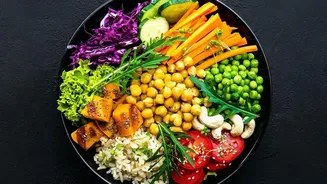
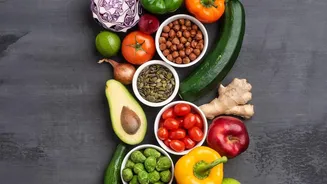
Our brains are hardwired to use visual cues as shortcuts for making decisions. For our ancestors, vibrant colors signaled ripeness in fruit, while dull or brown colors might indicate spoilage. This evolutionary trait persists today. Colors play a huge role; for instance, green hues can increase healthy food expectations, while warm colors like red and orange can stimulate the appetite. This is why a salad with a variety of colorful vegetables appears more enticing and 'right' than a plain one. The layout and arrangement also matter. We perceive neatly arranged food as having been prepared with more care and conscientiousness, and we transfer that perception of care to the healthiness of the ingredients themselves. Essentially, if it looks like someone put effort into it, our brain assumes it must be good for us.
How Marketers and Restaurants Use This
Food companies and restaurants are experts at leveraging these psychological triggers. Food stylists and advertisers use techniques to make food look as appealing as possible, often creating a final product that looks nothing like what you'd make at home. This isn't just about making food look tasty; it's about making it look wholesome. The artful arrangement of ingredients in a fast-food burger ad or the vibrant, fresh look of a pre-packaged salad are designed to trigger that 'pretty equals healthy' bias. By using front-of-package claims and visually perfect imagery, marketers can guide consumers toward a product, often leading them to overlook the full nutrition panel on the back. This strategy effectively widens the gap between a food's perceived and actual nutritional value.
How to Be a Smarter, More Mindful Eater
Closing the perception gap requires a more mindful approach to food choices. The first step is awareness: simply knowing that the 'health halo' and 'pretty food' bias exist can help you pause and think more critically. Always turn the package over. The marketing is on the front, but the facts are on the back in the nutrition information panel and ingredients list. Compare the claims with the actual content, paying attention to calories, sugar, sodium, and fat. Finally, try to de-emphasize appearance, especially with whole foods. A misshapen fruit or vegetable is just as nutritious as its perfectly shaped counterpart. By relying on factual information rather than just visual cues, you can make choices that truly align with your health goals, not just what looks good on the plate.