


The Blackout Zone Problem
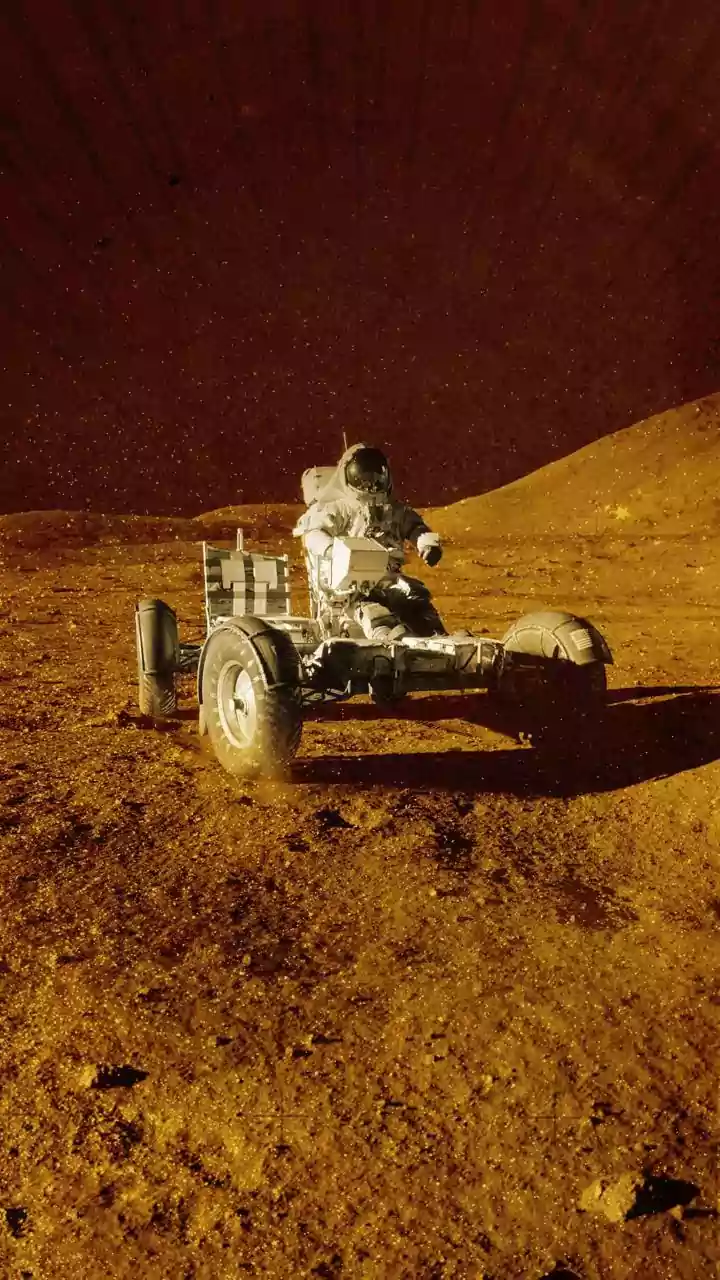
For decades, communicating with missions on the Moon has depended on a direct line of sight to Earth. If you can't see Earth, you can't talk to it. This poses a huge problem for the goals of the Artemis program, which is focused on exploring the lunar
South Pole. Due to the Moon's tilt and orbit, Earth often sits low on the horizon or disappears entirely for long periods in this region. This creates communication blackouts that would be incredibly risky for astronauts and limit the effectiveness of robotic missions. The rugged, crater-filled terrain of the South Pole further complicates things, as hills and crater walls can easily block signals. Without a solution, establishing a permanent, sustainable human presence would be nearly impossible.
An Internet for the Moon
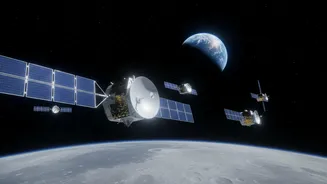
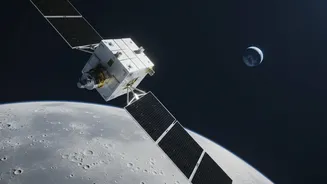
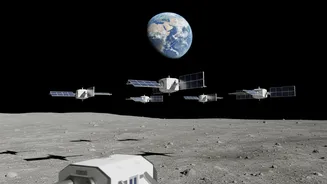
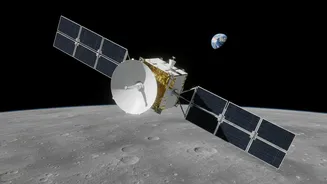
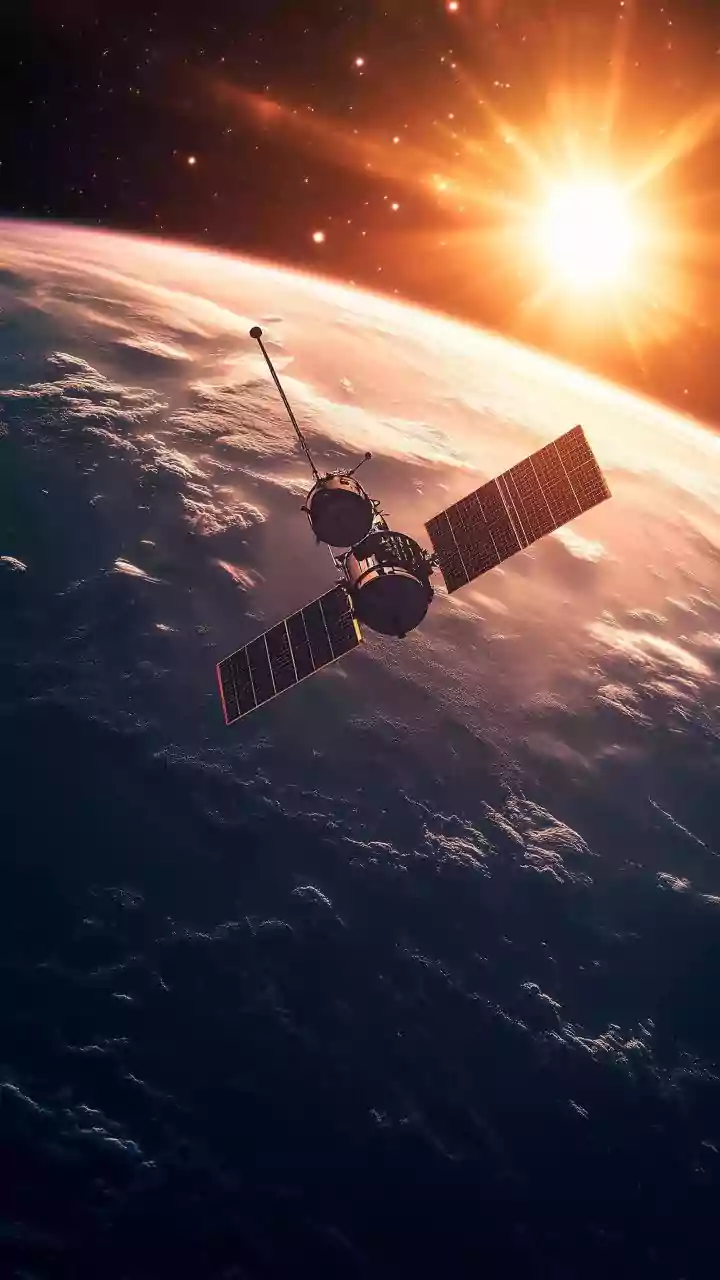
NASA's answer to this challenge is a project to create a dedicated communications and navigation network around the Moon. Often referred to as LunaNet, this initiative aims to place a constellation of relay satellites in lunar orbit. Think of it like building a satellite internet and GPS system specifically for the Moon. Instead of missions having to schedule time to talk directly to Earth, they could connect to a nearby satellite, which would then relay their data back home. This system, managed under NASA's Lunar Communications Relay and Navigation Systems (LCRNS) project, is designed to provide continuous, high-bandwidth service. It's a fundamental piece of infrastructure needed to support a bustling lunar environment of astronauts, rovers, and scientific experiments.
How the Lunar Network Will Work
The LunaNet architecture is designed to be a flexible and scalable 'network of networks.' It will use a technology called Delay/Disruption Tolerant Networking (DTN), which is perfect for space. This system acts like a digital mail carrier; if a direct path isn't available, a satellite can store the data until it can connect to the next node in the network, ensuring the information eventually gets through without being lost. This is a major upgrade from the traditional method of pre-scheduling communication links. NASA is not building this system alone; it is partnering with commercial companies to develop and operate these services. For instance, Intuitive Machines was selected by NASA to develop and deploy the first set of relay satellites.
More Than Just a Phone Call
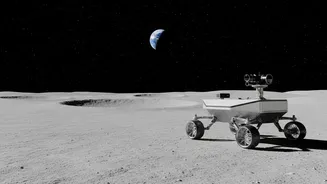
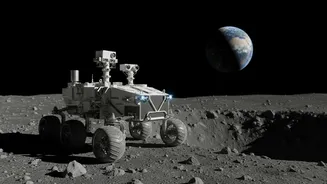
While communication is the primary goal, LunaNet will provide other critical services. The network will create a lunar navigation system, effectively giving astronauts and rovers their own GPS to pinpoint their exact location on the surface or in orbit with high precision. This is crucial for landing safely, navigating the treacherous terrain of the South Pole, and marking the locations of scientific samples. The current GPS signals from Earth are extremely weak at the Moon's distance, making a dedicated local system necessary. Furthermore, the constant data link will allow for more advanced scientific research, enabling long-term environmental monitoring and even using the network's antennas for deep-space radio astronomy.
Building the Future, Piece by Piece
The lunar network will not appear overnight but will be built incrementally. NASA is working with commercial partners through its Commercial Lunar Payload Services (CLPS) initiative to deliver the necessary hardware. Intuitive Machines, for example, is planning to launch its first data-relay satellite, Altus-1, with its IM-3 mission. This mission is part of a series of robotic landings that will build up lunar infrastructure through 2028 and beyond. NASA recently delivered a key piece of navigation hardware, the NavCube3-mini, to Intuitive Machines for integration into this satellite. These early missions will validate the technology and demonstrate the capabilities that will one day support a permanent Moon Base, where astronauts can live and work safely and efficiently.