



The Anatomy of a Mountain Surge
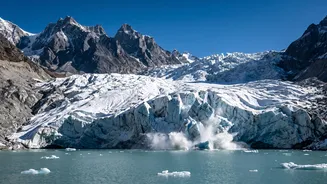
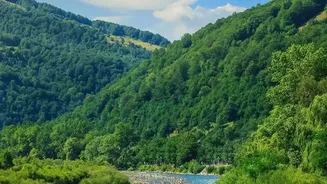
The danger often begins high in the mountains, far from any settlement. A massive chunk of a glacier can break off, triggering a rock-ice avalanche that hurtles down a steep valley. This enormous mass of debris can temporarily block a river, creating
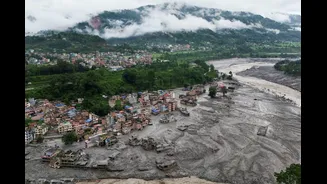
an unstable, short-lived dam. Water quickly builds up behind this blockage. Eventually, the immense pressure causes the dam to burst, releasing a sudden, powerful surge downstream. This isn't just water; it's a thick, fast-moving slurry of mud, boulders, and ice, capable of immense destruction. In some cases, a river can rise by as much as nine meters in just 30 minutes, giving those downstream almost no time to react.
Glacial Lakes: Ticking Time Bombs
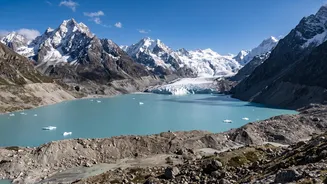
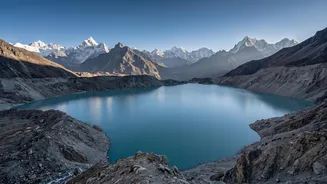
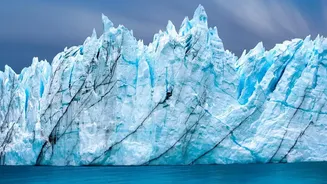
Another primary cause is a Glacial Lake Outburst Flood, or GLOF. As global temperatures rise, glaciers in the Himalayas are melting at an accelerated rate. This meltwater often collects behind natural dams made of moraine—an unstable mixture of soil, rock, and ice left behind by retreating glaciers. These moraine dams are inherently weak. An event like a landslide, an ice avalanche into the lake, or even just the pressure of the rising water can cause the dam to fail catastrophically. The result is a GLOF, a sudden release of the lake's entire volume that rushes downriver, destroying everything in its path, including villages, bridges, and crucial hydropower plants.
A Climate Change Fingerprint
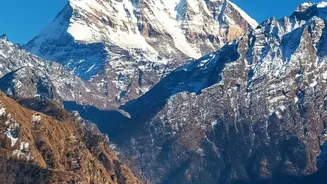
While these events are natural processes, their increasing frequency and intensity carry the clear fingerprint of climate change. The Himalayan region is warming at nearly twice the global average. This accelerated warming leads to several cascading effects. Glaciers are retreating, creating more and larger glacial lakes. Permafrost, the frozen ground that acts like a cement for mountain slopes, is thawing, destabilizing rock faces and increasing the risk of landslides and avalanches. The Intergovernmental Panel on Climate Change (IPCC) states with high confidence that glacier retreat and permafrost thaw are reducing the stability of mountain slopes. This makes the entire high-mountain environment more prone to the kind of collapses that trigger these devastating floods.
The Human Cost and a Shared Risk
For the communities living in Nepal's river valleys, the risk is existential. These floods can strike with little to no warning, especially in areas where there has been no rainfall to signal danger. Homes, farms, and critical infrastructure like roads and hydropower projects are often built in these vulnerable corridors. The threat is not confined by borders. Many of Nepal's rivers flow into India, meaning a disaster that starts in the high Himalayas of Nepal or Tibet can have devastating consequences for downstream communities in states like Bihar and Uttar Pradesh. This transboundary nature of the risk highlights the shared vulnerability across the region and the urgent need for cross-border cooperation on warning systems and disaster management.
A Race for Resilience
Responding to this growing threat is a monumental challenge. Organizations like the International Centre for Integrated Mountain Development (ICIMOD) are working to identify and monitor potentially dangerous glacial lakes. Efforts are underway to lower the water levels in some of the most at-risk lakes to reduce pressure on their moraine dams. Simultaneously, developing effective early warning systems is crucial. However, the sheer speed of these events makes warnings difficult, as monitoring stations can themselves be the first things swept away by a flood. Community-based warning systems, where villages upstream alert those downstream, are being implemented to shorten warning times. Ultimately, building resilience requires a combination of high-tech monitoring, local preparedness, and a global commitment to addressing the root cause: climate change.