






The Spiritual Significance of Sawan
Sawan, also known as Shravan, is the fifth month of the Hindu calendar and is deeply dedicated to the worship of Lord Shiva. For devotees, this is a time of heightened spiritual discipline, involving prayers, fasting (especially on Mondays, or 'Somvars'),
and acts of devotion to seek Lord Shiva's blessings for peace and prosperity. The entire month is considered highly auspicious for purifying the mind, body, and soul. This focus on purification and spiritual connection is the primary reason for the dietary changes many people adopt.
Ayurveda's Food Philosophy: The Three Gunas
To understand the dietary rules of Sawan, one must first look to Ayurveda, the ancient Indian system of medicine. According to Ayurvedic philosophy, all foods can be classified into three categories, or 'gunas', based on their effect on our body and mind. These are Sattva (purity, harmony), Rajas (passion, activity), and Tamas (darkness, lethargy). A Sattvic diet, comprising fresh, light, and wholesome foods, is believed to promote clarity, calmness, and spiritual awareness. Rajasic foods are stimulating and can lead to restlessness, while Tamasic foods are considered heavy and can cause dullness or laziness.
Why Onion and Garlic Are Avoided
Within this Ayurvedic framework, onion and garlic are classified as Rajasic and Tamasic foods. It is believed that they generate excess heat in the body and stimulate the nervous system. This stimulation can lead to feelings of aggression, restlessness, and desire, which are seen as distractions from the calm, meditative state that devotees strive for during Sawan. Because they can agitate the mind and senses, they are considered unsuitable for a period dedicated to spiritual focus and inner peace. Some mythological tales even link their origin to demonic forces, further cementing their exclusion from offerings to deities and consumption during holy periods.
A Diet for Devotion and Digestion
By avoiding onion and garlic, practitioners aim to follow a Sattvic diet. This type of diet is believed to keep the mind calm and focused, making it easier to engage in prayer and meditation. The emphasis is on simple, fresh, and easily digestible foods. There's also a practical, seasonal aspect to this tradition. Sawan coincides with the monsoon season, a time when Ayurveda suggests the digestive fire ('agni') is naturally weaker. Lighter, Sattvic foods are easier on the stomach, helping to prevent digestive issues like bloating and indigestion that can be more common during this humid season. Therefore, the diet serves both a spiritual and a physical purpose.
The Modern Sawan Kitchen
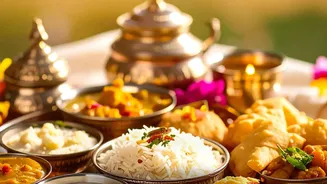
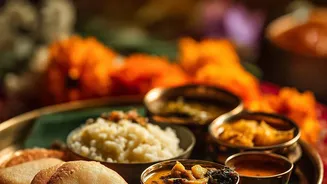
This tradition is very much alive in modern India. In many homes, the entire month is observed with onion-garlic-free cooking. This has led to culinary innovation, with cooks using a variety of substitutes to create flavour. Ingredients like fresh ginger, green chillies, asafoetida (hing), tomatoes, and whole spices like cumin and cloves become more prominent. Pastes made from cashews or curd are used to create rich, creamy gravies. Restaurants also adapt by offering special 'Sawan-special' or 'vrat' menus that adhere to these dietary rules, ensuring that those observing the practices can still dine out without compromise.