





The frustration of navigating complex visa applications and long airport queues is a shared global experience. Now, a major survey confirms travellers have had enough, prompting the aviation industry's leading body to call for a digital revolution.
The Voice of the Modern Traveller
The
International Air Transport Association (IATA) has put numbers to a feeling familiar to anyone who has travelled internationally: the process is often too complicated. According to its 2026 Global Passenger Survey, a staggering 43% of travellers have been discouraged from visiting a destination simply because of difficult entry requirements. This is a sharp increase from 33% in 2025, signalling a growing impatience with cumbersome border controls and inconsistent visa rules. The primary source of this frustration, cited by 53% of these discouraged travellers, is the sheer complexity of the immigration process itself. In contrast, concerns about cost and data privacy were secondary factors for just 17% each. The message from the more than 10,000 travellers surveyed across 200 countries is clear: while technology is advancing, border crossing procedures in many parts of the world remain a significant barrier to travel.
A Hunger for Digital Solutions
The survey doesn't just highlight problems; it points directly to the solution that passengers are ready and willing to adopt. A massive 86% of travellers said they would happily share immigration information digitally before departure if it meant speeding up the process at the airport. Furthermore, 60% now prefer applying for visas online, compared to just 25% who favour the traditional method of visiting a consulate or embassy. This desire for digitisation extends to the airport experience itself. Biometric identification is rapidly gaining acceptance, with 58% of passengers having used it in the past year and 87% reporting satisfaction with the experience. Crucially, 78% of travellers are willing to share their biometric data if it means they can walk through checkpoints without repeatedly showing their passport and boarding pass. This indicates a clear mandate from the public: they trust technology more than they trust manual, queue-based systems.
The 'One ID' Vision
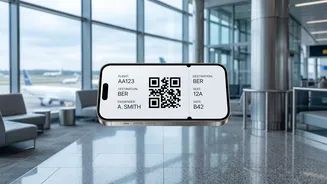
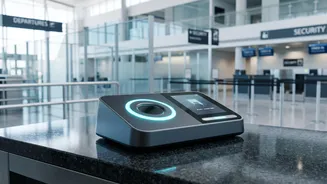
In response to this clear demand, IATA is championing a move towards a fully digitalised and seamless travel journey, centred around its 'One ID' initiative. The core of this vision is the Digital Travel Credential (DTC), a secure digital twin of a physical passport stored on a traveller's smartphone. This isn't just a PDF scan; it's a cryptographically secure file that conforms to standards set by the International Civil Aviation Organization (ICAO), a UN agency. The goal is to allow passengers to verify their identity just once, well before arriving at the airport. This pre-verified status would then be recognised at every touchpoint—from bag drop and security to border control and boarding—using facial recognition. Instead of presenting a passport multiple times, your face effectively becomes your boarding pass, creating a frictionless 'walk-through' experience.
Benefits Beyond Convenience
The shift to a digital identity system offers benefits that go far beyond just saving time and reducing queues. For airlines, it means greater operational efficiency, faster aircraft turnarounds, and a lower risk of fines for transporting passengers with incorrect documents. For airports, automation frees up staff to handle more complex issues and enhances security by using highly accurate biometric verification. For governments and border agencies, it allows for pre-screening of arrivals, enabling resources to be focused on high-risk travellers while allowing the vast majority of legitimate visitors to pass through with ease. Programmes like India's own Digi Yatra, which is already operational for domestic travel in numerous airports, provide a glimpse of this future, allowing passengers to move from entry to boarding using only facial recognition. The IATA proposal aims to make this the global standard for international travel.
The Hurdles on the Runway
Despite the clear demand from passengers and the availability of technology, the path to a global, seamless digital travel system is not without obstacles. The biggest challenge lies in getting governments worldwide to agree on and adopt a single, interoperable standard for Digital Travel Credentials. Currently, many countries operate fragmented systems and have different requirements for evisas and digital entry, which undermines the goal of a single, unified process. Data privacy also remains a valid concern for travellers. The IATA survey found that 59% of respondents worry about data breaches, and 49% are concerned about how their information might be shared. Building a robust and transparent 'trust framework' that gives passengers full control over who sees their data and when will be essential for widespread adoption. Without global cooperation and clear data protection rules, the dream of a truly seamless journey will remain just out of reach.