


The Case for Pilates: Control and Foundation
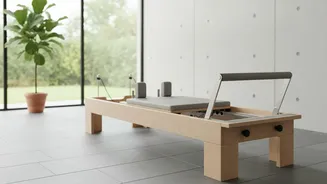
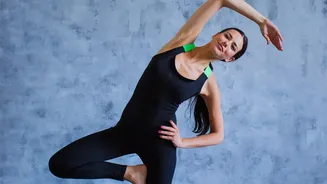
Pilates is a low-impact exercise system focused on precision, control, and strengthening the body's 'powerhouse'—the deep muscles of your abdomen, back, hips, and glutes. The goal isn't to leave you breathless, but to build foundational strength, improve
posture, and enhance flexibility through deliberate movements. Think of it as building a strong, stable framework for your body. This approach is exceptionally good for improving body awareness, preventing injuries related to muscle imbalances, and creating long, lean muscle tone. While a single session may not burn as many calories as a high-intensity class, building lean muscle boosts your resting metabolism, meaning you burn more calories even when you are not exercising.
The Case for Circuits: Speed and Intensity
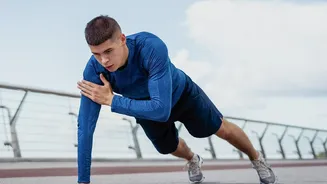
High-speed circuits, often falling under the umbrella of High-Intensity Interval Training (HIIT), are all about maximum effort in minimum time. This workout style involves performing a series of exercises in quick succession with very little rest in between. The primary objective is to elevate your heart rate and keep it there, resulting in significant calorie expenditure and a powerful cardiovascular workout. One of the biggest draws of circuit training is the 'afterburn effect', scientifically known as Excess Post-exercise Oxygen Consumption (EPOC). This means your body continues to burn calories at a higher rate for hours after you've finished exercising as it works to recover.
Calorie Burn vs. Core Strength
If your primary goal is to burn the maximum number of calories in a 30-minute session, high-speed circuits are the clear winner. The intensity directly translates to high energy expenditure. However, the 'versus' in the headline is slightly misleading. Pilates, by developing a strong and stable core, provides the essential support needed to perform high-intensity exercises safely and effectively. A weak core during explosive circuit movements is a recipe for poor form and potential injury, particularly to the lower back. So, while circuits burn more calories acutely, the core strength from Pilates is a long-term investment in your fitness and ability to perform all other activities, including circuits, better.
Which One Is Right for Your Goals?
Choosing between the two depends entirely on what you want to achieve. If your main objective is rapid weight loss and improving cardiovascular endurance, and you enjoy high-energy, sweat-drenched sessions, high-speed circuits are an excellent choice. Be mindful that it is high-impact and can be stressful on joints, so proper form is crucial. If your focus is on building foundational strength, improving posture, increasing flexibility, and engaging in a more mindful form of exercise that's gentle on the joints, Pilates is your ideal match. It is particularly beneficial for beginners, those recovering from injury, or anyone looking to correct postural imbalances from sitting at a desk.
The Hybrid Approach: The Best of Both Worlds
Ultimately, you don't have to choose. Fitness experts increasingly recommend a hybrid approach that incorporates both modalities into a weekly routine. Combining Pilates and high-speed circuits creates a well-rounded, complementary fitness plan. You can use Pilates to build the core stability, control, and flexibility that will protect you from injury and improve your form during intense circuit workouts. In return, circuits provide the cardiorespiratory challenge that Pilates generally lacks. A balanced week might include two circuit sessions for cardio and calorie burn, and two Pilates sessions for strength, recovery, and stability. This synergistic approach addresses fitness from all angles, building a body that is not just lean, but also resilient, mobile, and functionally strong.