






The Foundation: Passport and Visas
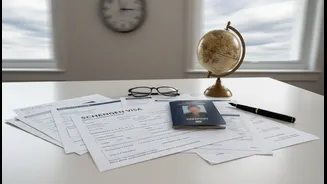
Your passport is the single most important travel document. Before you even book a flight, check its expiry date. Many countries require your passport to be valid for at least six months beyond your planned date of departure. Ensure it has enough blank
pages for stamps. Alongside this, your visa confirms you have permission to enter your destination country. Keep both the original documents and a set of photocopies separate from the originals. For Indian travellers, carrying another government-issued ID like an Aadhaar or PAN card is also a wise backup. It is also recommended to carry a few extra passport-sized photographs, as they can be required for various on-arrival processes.
The Proof: Key Bookings and Itinerary
Immigration officials often want to see proof of your travel plans. This means having printed or easily accessible digital copies of your return flight tickets, hotel or accommodation confirmations, and any pre-booked tour vouchers is essential. A detailed itinerary, even a simple one, not only helps you stay organised but can also support your case at immigration. For any connecting flights, internal train journeys, or car rentals, having the booking confirmations handy will smooth over transitions and check-ins, saving you from stressful searches through your email at a busy counter.
The Safety Net: Travel and Health Insurance
Travel insurance is often overlooked but is a critical safety net. It can be a mandatory requirement for entry into some countries. Your policy provides a financial cushion against a host of potential issues, including trip cancellations, lost luggage, and, most importantly, medical emergencies, which can be incredibly expensive overseas. Your regular health insurance may not cover you abroad. Keep a copy of your insurance policy document with you, and make sure the emergency contact number and your policy number are saved on your phone and written down in a safe place.
Digital vs. Physical: A Two-Pronged Approach
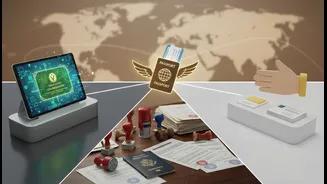
In today's digital age, it's tempting to keep everything on your phone. While travel management apps and digital wallets are incredibly convenient for storing boarding passes and booking confirmations, relying solely on them can be risky. A dead phone battery, a lack of Wi-Fi, or a system that requires physical paperwork can leave you stranded. The best strategy is a hybrid one. Keep digital copies of everything—passport, visa, insurance, tickets—in a secure cloud folder like Google Drive or Dropbox. At the same time, carry a physical folder with printouts of the most critical documents. This redundancy ensures you're prepared for any situation.
The Extras: Beyond the Obvious
A truly comprehensive travel folder includes a few 'just in case' items. If you are travelling with prescription medication, a copy of the doctor's prescription can prevent issues at customs. It's also helpful to have a list of emergency contacts, including family members back home and your country's embassy at your destination. A copy of your driver's licence and other identification cards can also be useful. Storing these extra documents alongside your primary ones means you have a single, reliable source for all important information, which is invaluable in an emergency.