






Navigating Global Energy Turmoil
Recent years have been marked by significant "energy shocks"—a term for sudden spikes in energy prices and supply disruptions, often caused by geopolitical events like the tensions in West Asia. For a country like India, which imports over 85% of its
crude oil, such volatility poses a direct threat to economic stability. These shocks can drive up inflation, widen the trade deficit, and increase costs for both industries and consumers. However, India has demonstrated a growing capacity to withstand these pressures, a resilience noted by international bodies like the IMF. This was achieved not by chance, but through deliberate policy actions designed to insulate the economy.
The Diversification Strategy
A cornerstone of India's resilience has been the strategic diversification of its energy sources. Rather than relying on a handful of traditional suppliers, India has actively broadened its import portfolio. This includes sourcing crude oil from a wider range of countries, allowing the nation to navigate supply disruptions and secure more favourable pricing. This flexibility has helped shield Indian consumers and industries from the full force of global price hikes. Furthermore, India has leveraged its position as the world's fourth-largest refiner, exporting petroleum products to offset the cost of crude imports, thereby providing a crucial buffer for its foreign exchange reserves.
The Green Energy Push
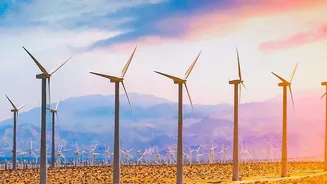
Beyond managing fossil fuel imports, India has embarked on an ambitious transition towards renewable energy. This strategic shift is not just about climate goals but is also a core pillar of the country's long-term energy security. Investment in clean energy has surged, reaching USD 68 billion in 2023 alone. The country has rapidly expanded its installed capacity for solar and wind power, with policies like the Production Linked Incentive (PLI) scheme boosting domestic manufacturing of solar modules and batteries. By aiming for 500 GW of non-fossil fuel capacity by 2030, India is structurally reducing its dependence on volatile international energy markets. This move towards self-reliance in energy is creating a more stable foundation for economic growth.
From Energy Stability to Economic Growth
The connection between a stable energy sector and robust GDP growth is direct. By successfully managing energy costs, India helped keep a lid on inflation, which in turn supported consumer spending and business confidence. Predictable energy prices are vital for the manufacturing sector, a key driver of the 7.8% growth figure. The impressive performance was broad-based, with the services sector growing by 10% and the secondary (industrial) sector expanding by 8.6%. Strong government capital expenditure, particularly in infrastructure, also played a significant role. This combination of resilient domestic demand and strategic energy management created a virtuous cycle, allowing India to shine as one of the world's fastest-growing major economies.