



Why Your Gut Needs a Gentle Restart
After nine days of a modified diet, your digestive system is not prepared for a sudden return to heavy, spicy, or complex foods. During fasting, the production of digestive enzymes can slow down. Jumping straight to a rich meal can shock the system, leading
to uncomfortable issues like bloating, acidity, gas, and indigestion. The vrat diet, often rich in specific flours like buckwheat (kuttu) and starches like tapioca (sabudana) while avoiding regular grains like wheat, changes your gut's routine. A gradual transition helps your body readjust its enzyme production and metabolic pace, ensuring you feel comfortable and energised instead of sluggish and unwell.
Hydration Is Your First Priority
Before you even think about solid food, focus on fluids. Proper hydration is key to waking up your digestive system gently and flushing out toxins. Start your day with warm water. Throughout the day, continue with fluids like coconut water, buttermilk (chaas), and light, clear vegetable soups. These not only hydrate but also provide essential electrolytes, helping your body regain its balance. Buttermilk and yoghurt are especially beneficial as they are natural probiotics that help replenish good gut bacteria, which is crucial for healthy digestion.
Begin with Light, Easy-to-Digest Foods
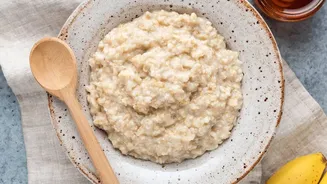
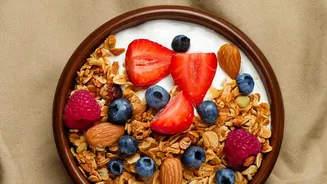
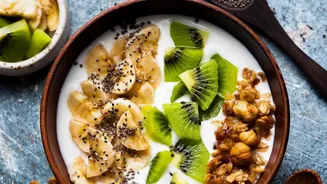
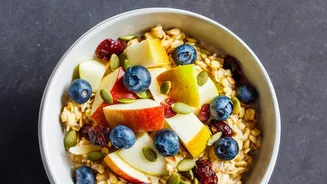
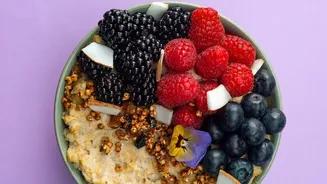
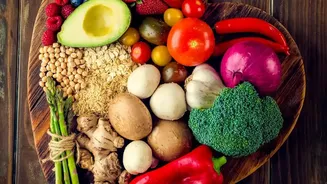
Your first few post-vrat meals should be simple and light. Think of foods that are easy for your stomach to break down. A bowl of fruit, some steamed or boiled vegetables like pumpkin and bottle gourd, or a simple dalia khichdi are excellent choices. These provide essential nutrients without overburdening your system. Focus on smaller, more frequent meals instead of three large ones. This strategy prevents the digestive system from being overloaded and helps maintain stable energy levels. Eating slowly and chewing your food thoroughly also significantly aids the digestive process.
Slowly Reintroduce Grains and Spices
After a day or two of light foods, you can begin to reintroduce your regular grains and a wider array of spices. The Navratri diet typically excludes wheat, regular rice, onion, and garlic. Don't bring them all back at once. Start with a simple dish like a plain roti or a small portion of steamed rice with a lightly spiced dal. Avoid jumping straight to oily parathas or rich biryanis. Similarly, reintroduce spices like turmeric and asafoetida gradually. Your palate and your stomach both need time to adjust. Listen to your body; if you feel bloated or heavy, scale back for another day.
Add Protein for Sustained Energy
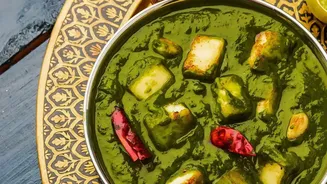
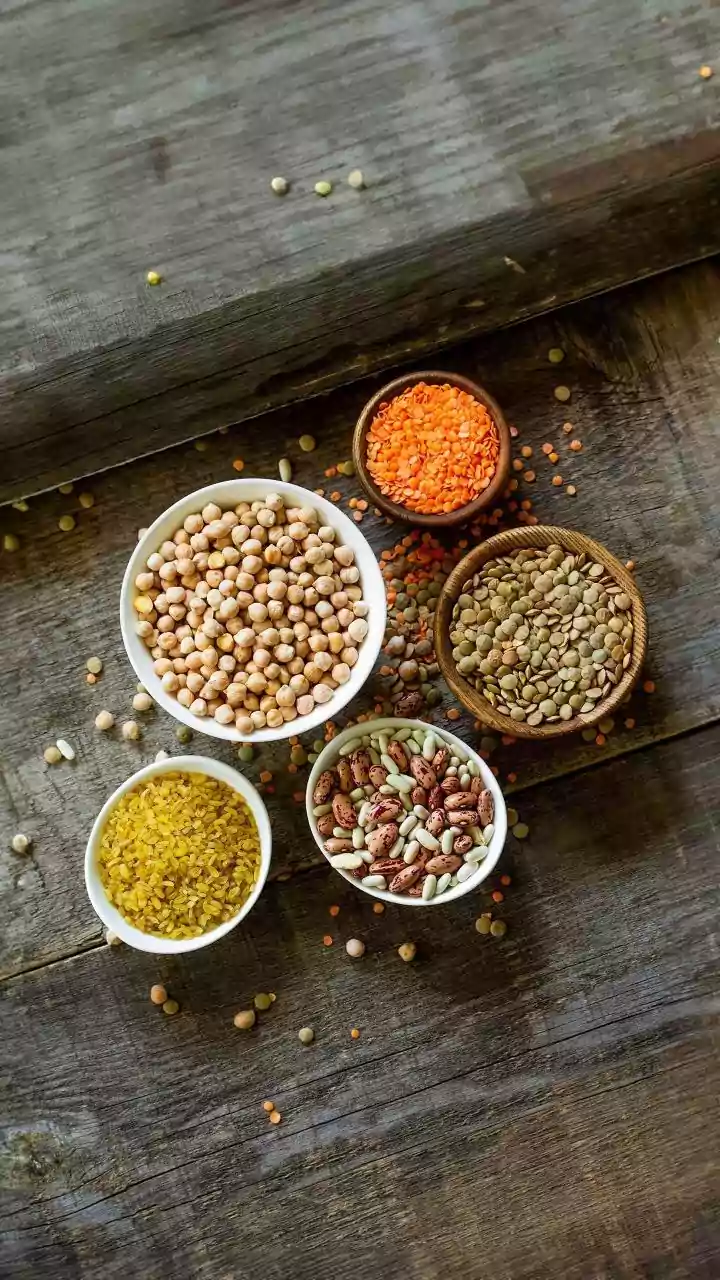
While vrat foods can sometimes be carb-heavy, reintroducing a good balance of protein is essential for recovery and sustained energy. Paneer, curd, and various dals or legumes are great vegetarian protein sources. Incorporating a portion of protein into each meal helps in muscle health and keeps you feeling full for longer, preventing the urge to snack on unhealthy options. If you eat eggs or meat, introduce them in simple, non-spicy preparations like boiled eggs or a light chicken stew before moving on to richer curries.
What to Avoid for the First Few Days
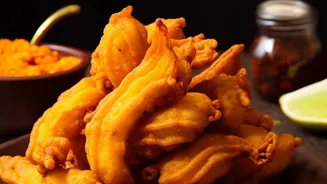
Just as important as what to eat is what to avoid. For the first 48 to 72 hours after Navratri, it's best to stay away from certain foods that can trigger digestive distress. This includes anything deep-fried, excessively oily, or very spicy. Processed and packaged foods, as well as sugary sweets and carbonated drinks, should also be limited. These foods can cause inflammation and place a significant strain on a digestive system that is just getting back into its rhythm. Opt for home-cooked meals where you can control the amount of oil and spice.