







The Protein Halo Effect
Protein is an essential macronutrient that our bodies need to build muscle, repair tissue, and support daily functions. Its ability to keep you feeling full for longer also makes it a popular choice for weight management. Marketers are well aware of this,
using high-protein claims to create a 'health halo' around their products. This effect can make us perceive a snack as healthier than it is, distracting us from other, less desirable attributes. A protein cookie, for instance, is still a cookie, and adding a few extra grams of protein doesn't magically erase its other components. Many of these protein-fortified snacks are also ultra-processed, meaning they are industrial formulations that can contain a host of additives while being engineered for maximum palatability, not nutritional value.
Beyond the Big Protein Claim
While protein is important, a truly balanced diet depends on the interplay of all nutrients. Many packaged snacks that boast high protein are also loaded with sodium, added sugars, and saturated fats. Excessive intake of these can lead to a range of health issues, including high blood pressure, weight gain, type 2 diabetes, and cardiovascular disease. According to the Indian Council of Medical Research (ICMR) and the National Institute of Nutrition (NIN), daily recommended limits are around 25 grams of sugar and 5 grams of salt. It's surprisingly easy to exceed these limits with just a few processed snacks, which often use these ingredients to improve taste and shelf life. The problem is that the harms of excess sugar, salt, and unhealthy fats can quickly outweigh the benefits of the added protein.
How to Read the Nutrition Label
The only way to know what you're truly eating is to ignore the flashy claims on the front and turn the package over. In India, regulations from the Food Safety and Standards Authority of India (FSSAI) mandate a nutrition information panel. The first rule is to always use the 'per 100g' column for comparison, not the 'per serving' column, as manufacturers can set misleadingly small serving sizes. As a general guide, anything over about 22g of sugar per 100g is considered high. For sodium, a food is considered high if it has more than 400-600mg per 100g. Also, pay attention to saturated fat, which is often found in biscuits, baked goods, and products made with palm oil.
Don't Forget the Ingredient List
The nutrition panel tells you the numbers, but the ingredient list tells you the quality. Ingredients are listed in descending order by weight, so the first three make up the bulk of the product. If the list begins with refined wheat flour (maida), sugar, and palm oil, that’s what you're mostly eating, no matter what health claims are on the front. A shorter, more recognizable list of ingredients is almost always a better sign. Be wary of multiple names for sugar, such as glucose syrup, fructose, maltodextrin, or fruit juice concentrate, which are often used to prevent 'sugar' from appearing as the first ingredient.
What a Truly Balanced Snack Looks Like
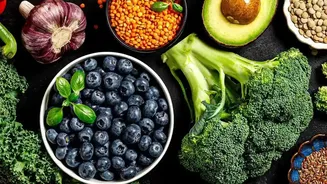
Instead of relying on a processed bar, aim for a snack that naturally balances macronutrients. A good snack combines protein with fibre and healthy fats. This combination helps stabilize blood sugar, provides lasting energy, and keeps you feeling satisfied. Think of whole-food pairings like an apple with a handful of almonds, Greek yogurt with berries, or hummus with vegetable sticks. These options provide not only protein but also essential vitamins, minerals, and fibre that are often stripped away in ultra-processed foods. They nourish your body without the hidden downsides of excessive salt, sugar, and artificial additives.