

More Than Just Stretching
First, let's clear up a common misconception: Pilates isn't just a stretching session. Developed in the 1920s by Joseph Pilates, it was originally called "Contrology." It's a method of exercise that consists of low-impact flexibility and muscular strength
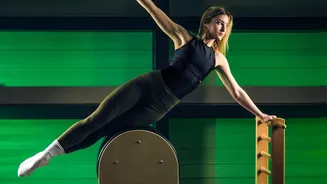
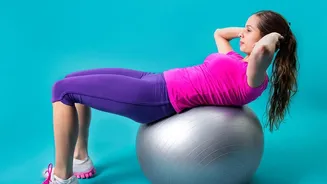
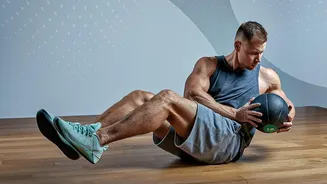
and endurance movements. Pilates emphasizes proper postural alignment, core strength, and muscle balance. Unlike traditional weight training that often isolates specific muscles, Pilates engages the entire body, teaching muscles to work together in a coordinated way. Whether you're on a mat using your own body weight for resistance or on a reformer machine using spring-loaded tension, the goal is the same: to create long, strong, and lean muscles.
The Power of Slow, Controlled Movement
If you've ever taken a Pilates class, you've probably heard the instructor say, "slow it down." There's a scientific reason for this. The technique relies on a principle called "time under tension" (TUT). Instead of using momentum to power through repetitions quickly, Pilates keeps your muscles actively working for a longer duration. This slow, precise approach forces your body to recruit more muscle fibers, especially the smaller stabilizing muscles that are often neglected in faster workouts. This continuous engagement is what creates that signature Pilates burn and builds incredible muscular endurance without putting stress on your joints.
Building Strength by Lengthening
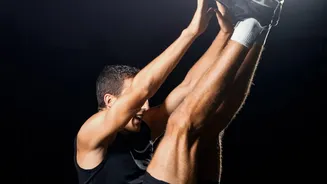
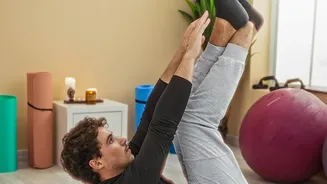
One of the key secrets to Pilates' effectiveness is its focus on eccentric muscle contractions. Most traditional strength training emphasizes concentric contractions, where the muscle shortens as it works (like curling a dumbbell up). An eccentric contraction happens when the muscle lengthens while under tension, like when you slowly lower that same dumbbell with control. In Pilates, you're constantly performing eccentric contractions, such as slowly resisting the pull of the springs on a reformer or controlling your body against gravity in a mat exercise. Research shows this type of muscle work is highly effective for increasing strength and is a major contributor to the long, toned look Pilates is famous for, as it strengthens muscles without adding significant bulk.
A Strong Core Is the Foundation
At the heart of the Pilates method is the concept of the "powerhouse"—the group of muscles in your center, including your abdomen, lower back, hips, and glutes. Every single Pilates exercise originates from this core. A strong and stable core is the foundation for all movement, protecting your spine, improving your posture, and allowing you to move with greater power and efficiency in your daily life. By focusing so intensely on core stability, Pilates doesn't just strengthen your middle; it builds a base of functional strength that supports your entire body, helping to prevent injury and improve balance.
Mind-Body Connection Makes You Stronger
Pilates is often described as a mind-body practice, and this connection is crucial to its strength-building benefits. The method requires immense concentration and focus on your breath and the precise execution of each movement. This heightened body awareness helps you activate the right muscles at the right time, making your workouts safer and more efficient. You learn to move with intention and control, which translates into better posture and more graceful movements outside of the studio. Research even shows that the brain is more active during the controlled, eccentric movements common in Pilates.