




Judge by Colour
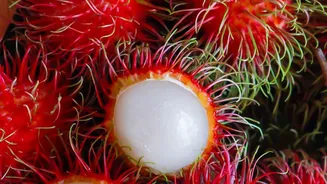
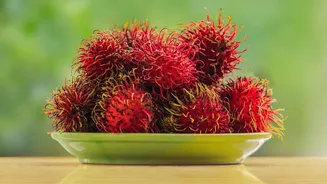
Your first clue to a perfect lychee lies in its vibrant colour. For most varieties, you should look for a bright, rich red or deep pink skin. This signals that the fruit is ripe and full of flavour. Some lychees might have a touch of yellow or orange,
which can be perfectly fine depending on the variety, but you should generally steer clear of those that are predominantly green, as they are likely unripe and will taste tart. On the other end of the spectrum, avoid lychees with large brown patches or a dull, dark appearance. This is often a sign that the fruit is overripe, beginning to spoil, and has lost its delicate sweetness.
Feel for Weight and Springiness
Once you’ve found a batch with good colour, it’s time for a touch test. Pick up a few individual fruits. A ripe, juicy lychee should feel heavy for its size, which indicates it's full of delicious juice. Gently squeeze the fruit between your thumb and forefinger. It should have a slight give, feeling firm yet springy. If it's rock-hard, it’s probably underripe. Conversely, if it feels overly soft, mushy, or wet, the fruit is likely overripe and may have even started to ferment or rot inside. The ideal texture is a pleasing plumpness that promises a succulent bite.
Trust Your Nose
Don't underestimate the power of scent when picking produce. Bring a promising lychee close to your nose and take a sniff. A perfectly ripe lychee will have a subtle, sweet, and fragrant floral aroma. Some describe it as a mix of grape and rose. This delicate scent is a strong indicator of the sweet, aromatic flavour waiting inside. If you detect any sour, fermented, or alcohol-like smells, put the fruit back immediately. An off-putting odour is a clear warning that the lychee has gone bad and will be a waste of money.
Inspect the Shell
While checking for colour and firmness, also give the shell a quick inspection. The skin should have its characteristic bumpy texture but be fully intact. Look out for any cracks, leaks, or mouldy spots, as these can let bacteria in and spoil the fruit. A dry or shrivelled skin can mean the lychee is old and has lost its moisture, while a slimy or soaking wet exterior is a sign of decay. The best lychees will have a clean, unbroken shell that protects the delicate flesh inside. Remember that lychees don't ripen further after being picked, so what you choose at the market is what you get.
Popular Varieties in India
India is the world's second-largest producer of lychees, with several delicious varieties available during the season, which typically runs from May to June. The GI-tagged Shahi from Muzaffarpur, Bihar, is famous for its large size and distinct rose-like aroma. The China variety, also from Bihar, is another commercial favourite, known for its juicy, reddish-orange globes. In West Bengal, the Bombai is a popular juicy, heart-shaped choice. Others like the nearly seedless Bedana and the pink-hued Gulabi are also prized for their high pulp content and sweetness. Knowing the local varieties can help you appreciate the subtle differences in flavour and texture.
How to Store Your Lychees
Once you've brought your perfect lychees home, proper storage is key to keeping them fresh. If you plan to eat them within a day or two, they can be left at room temperature. For longer storage, place them in a plastic bag or a sealed container and keep them in the refrigerator, where they can last for up to a week or two. It helps to place a paper towel in the bag to absorb excess moisture. Don't be alarmed if the skin turns brown in the cold; this is a natural reaction to the dry air and doesn't usually affect the flavour of the fruit inside. For a long-term treat, you can even freeze whole lychees in a zip-top bag.