


A Small Taste of Home
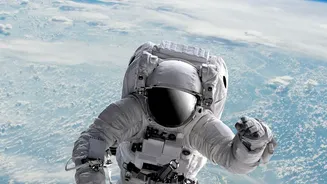
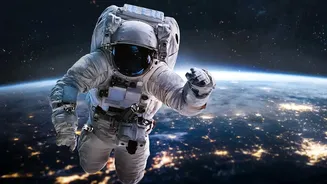
For his 2025 mission to the International Space Station (ISS), astronaut Shubhanshu Shukla was meant to carry a menu of familiar Indian flavours. The Mysuru-based Defence Food Research Laboratory (DFRL), which has been developing meals for India's armed
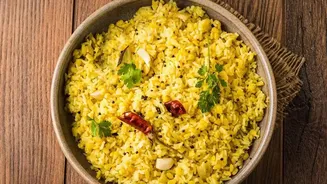
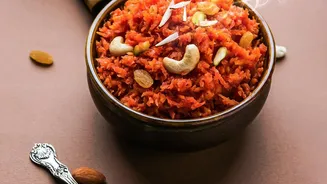
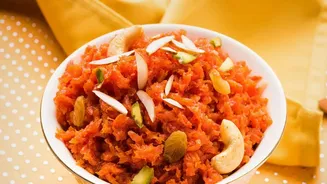
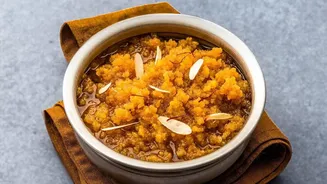
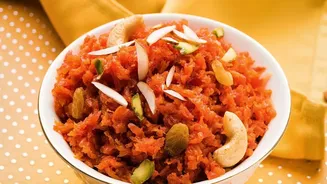
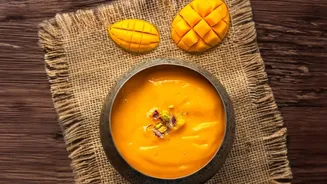
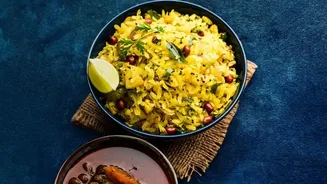
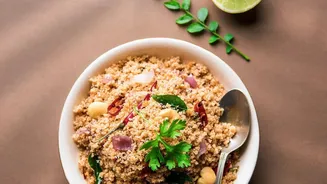
forces and its own upcoming Gaganyaan mission, prepared an extensive list. It included comforting staples like khichdi and pulao. Yet, after a demanding qualification process, only three items were certified for flight: Gajar Ka Halwa, Moong Dal Ka Halwa, and Amras (mango pulp). This small selection highlights the immense scientific and logistical challenges of taking food, especially complex cuisine like India's, into orbit.
The Zero-Gravity Gauntlet
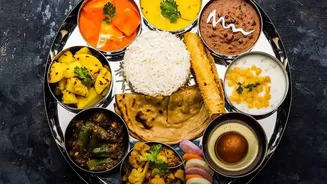
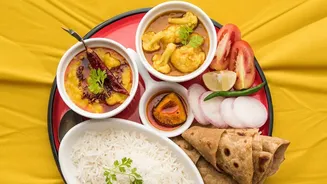
In space, food isn't just about taste or nutrition; it's about safety and physics. The primary challenge is microgravity. On Earth, crumbs fall to the ground. In a spacecraft, they float, posing a serious hazard. These tiny particles can get into an astronaut's eyes, be inhaled, or, most dangerously, clog critical air vents and electronic equipment. This is why bread is rarely used, with astronauts favouring tortillas, which produce no crumbs. Many Indian foods, from parathas to certain rice dishes, can be crumbly, immediately creating a hurdle for space adaptation. Liquids are equally problematic, as they don't stay in a container and can float away, making curries and dals incredibly difficult to manage.
The Science of Stability
All food sent to the ISS must have a long shelf life without refrigeration, as space stations cannot accommodate conventional fridges. This requires special preservation techniques. Most space food is either thermostabilized (heat-sealed to kill microbes) or freeze-dried (dehydrated), to be rehydrated with water in orbit. The DFRL uses these advanced preservation methods to ensure dishes remain safe and stable for long durations. Furthermore, every meal must withstand the intense vibrations and g-forces of a rocket launch. The entire qualification process is long and rigorous, and according to Shukla, time constraints were a major factor in why more dishes from the proposed menu couldn't complete the extensive testing needed for his mission.
The Flavour and Nutrition Challenge
Space travel dulls the senses of taste and smell. Without gravity, fluids shift upwards in the body, causing congestion similar to a head cold, which makes food taste bland. This means space food often needs to be more flavourful than its Earth-bound equivalent to be appealing. However, there are also strict nutritional guidelines. For health reasons, especially on long missions, NASA meals are typically low in sodium. This creates a difficult balance for Indian cuisine, which often relies on a complex blend of spices and salt for its flavour profile. Every dish must be nutritionally dense, providing balanced energy without excess weight or volume.
From Mysuru to the Stars
The DFRL has been a pioneer in Indian food science for decades, even supplying meals for Rakesh Sharma's 1984 space mission, which included pulao and aloo chole. For recent missions, the process involves preparing dishes in semi-solid or paste-like forms that hold together. The three sweets that made it—the two halwas and amras—likely succeeded because their texture is naturally cohesive, non-crumbly, and energy-dense. Though Shukla himself couldn't eat the dishes, his international crewmates sampled and enjoyed them. The experience has provided crucial lessons for the DFRL as it refines a wider menu of over two dozen items for India's own Gaganyaan mission, hoping to give future Indian astronauts a more extensive taste of home.