




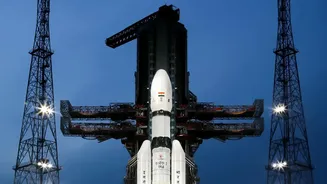

A Clear Stance: Not Privatisation, But Expansion
Recent statements from ISRO's leadership have been unequivocal: the agency is not for sale. ISRO Chairman V Narayanan has repeatedly assured staff and the public that ISRO will remain a government organisation, funded by public investment. The clarification
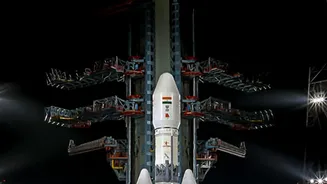
became necessary following concerns from within the organisation about the government's push for greater private participation in the space sector. The core message is that the reforms are about expanding the entire Indian space ecosystem, not diminishing or selling off its premier agency. The goal is to grow India's share of the global space economy, which is projected to reach over a trillion dollars by 2040. To achieve ambitious targets, such as increasing launch frequency to 50 per year, officials say collaboration is essential as one organisation cannot do it alone.
The New Strategy: From Manufacturer to R&D Leader
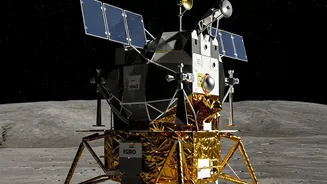
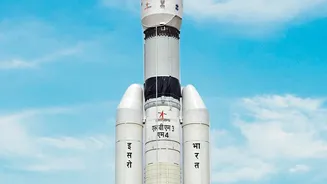
The heart of the new policy is a fundamental shift in ISRO's role. For decades, ISRO has been the all-in-one entity for India's space programme—designing, manufacturing, and launching its rockets and satellites. The new model, outlined in the Indian Space Policy 2023, directs ISRO to transition out of routine manufacturing and operational activities. Instead, the agency will concentrate its world-class scientific and technical talent on what it does best: advanced research and development. This includes pioneering next-generation launch systems, undertaking deep space and planetary exploration missions, advancing human spaceflight capabilities like the Gaganyaan mission, and building a space station. By handing over mature and proven technologies to the private sector for mass production, ISRO can free up its resources and manpower to focus on the next frontier of space exploration.
Meet the New Players: IN-SPACe and NSIL
To facilitate this new collaborative ecosystem, the government has established two key bodies. The Indian National Space Promotion and Authorisation Centre (IN-SPACe) acts as a single-window agency to promote, authorise, and supervise the activities of private space companies. It's the gateway for non-governmental entities to access ISRO's facilities and expertise. The second entity, NewSpace India Limited (NSIL), is the commercial arm of ISRO. NSIL's mandate is to commercialise ISRO's technologies, manage technology transfers, and procure launch services from private manufacturers. In essence, IN-SPACe is the regulator and facilitator, while NSIL is the commercial interface that connects ISRO's capabilities with industry demands. Together, they form the backbone of a new structure where ISRO leads on research and private players drive manufacturing and services.
Why This Model Is Better for India
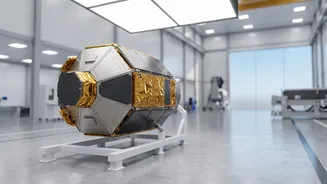
This strategic shift is designed to unlock massive economic potential. While India is a leading spacefaring nation, its share of the global space economy is currently less than 2%, partly because ISRO's focus has historically been on national needs rather than commercial services. By bringing in the private sector, the government aims to dramatically increase this share, with targets to grow the Indian space economy from around $9 billion to over $40 billion in the next decade. This approach has already shown results, with the number of Indian space startups growing from just one in 2014 to over 400. This model allows for greater investment, industrial capacity, and innovation. It enables private firms to build and operate satellites and launch vehicles at scale, creating a competitive domestic industry that can serve both national and international clients, ultimately strengthening India's position as a global space hub.