




What Is a Ginger Compress?
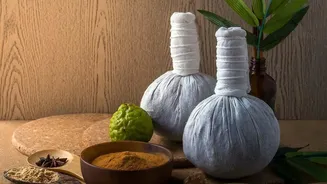
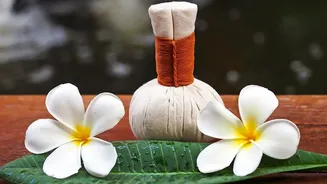
A ginger compress is a form of traditional heat therapy that involves applying a hot, moist towel soaked in ginger-infused water to the body. It’s a type of poultice, a practice used for centuries in various healing traditions, including Ayurveda, to provide
comfort and relief. The warmth from the compress, combined with the potent properties of ginger, is believed to stimulate circulation in the area where it's applied, helping to ease tension and promote a sense of deep relaxation. This external use of ginger harnesses its warming qualities to soothe the body from the outside in.
The Tradition and Science of Soothing
Ginger root contains powerful anti-inflammatory compounds, most notably gingerol. For centuries, traditional medicine has recognised ginger's ability to warm the body, improve circulation, and reduce pain. Modern science suggests these effects are linked to its ability to inhibit inflammatory pathways, similar in some ways to how common pain relievers work. When you apply a warm ginger compress, the heat helps to widen blood vessels, which increases blood flow. This process can help relax tight muscles and deliver the soothing compounds from the ginger deeper into the tissue, creating a dual-action effect that eases discomfort and promotes healing.
What You Will Need
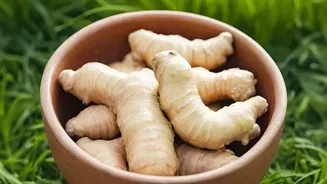
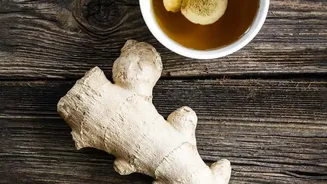
Creating your own ginger compress is remarkably simple and requires just a few basic household items. You will need a fresh piece of ginger root (about a golf-ball-sized portion or a few inches long), a large pot with a lid, about two litres of water, a grater, and two or three clean cotton towels (hand towels work well). Some people also like to have a pair of rubber gloves handy to handle the hot towel safely. It’s best to use fresh, firm ginger root for the most potent results.
Your Step-by-Step Guide
First, grate the fresh ginger root; you don't need to peel it. Place the grated ginger into a small cotton cloth or cheesecloth and tie it securely to create a small pouch or bundle. Next, bring the pot of water to a rolling boil, then reduce the heat to a simmer. Drop the ginger bundle into the simmering water and let it steep for at least 10 to 15 minutes, allowing the water to become fragrant and infused with ginger's properties. Turn off the heat. Your ginger water is now ready for the compress.
How to Apply It for Maximum Relief
Carefully dip a towel into the hot ginger water. To avoid burning your hands, you can hold the ends and dip the middle section. Wring out the excess water thoroughly; the towel should be damp and steaming, but not dripping. Before applying, test the temperature on your inner forearm to ensure it's comfortably hot but not scalding. Place the warm towel over the desired area, such as your lower back, shoulders, or abdomen. You can cover the wet towel with a dry one to help retain the heat. Leave it on for 15 to 20 minutes, re-soaking the towel as it cools to maintain a consistent, penetrating warmth.
Potential Benefits Beyond Relaxation
While wonderful for general relaxation, many people use ginger compresses for more specific reasons. They are traditionally used to soothe sore muscles after a workout, ease joint stiffness associated with arthritis, and relieve menstrual cramps when applied to the lower abdomen. The improved circulation is believed to help dissolve stagnation and reduce inflammation, providing relief for both acute and chronic aches. Some studies have even found that topical ginger applications can significantly reduce pain and stiffness for those with osteoarthritis.
Important Safety Precautions
A ginger compress is a gentle remedy, but it's important to be cautious. Never apply the compress to broken skin, open wounds, or areas with a rash. It should also be avoided on the abdomen of pregnant women without consulting a doctor, and it is not recommended for use when a high fever is present. If you have very sensitive skin, do a small patch test first, as ginger can sometimes cause irritation. The compress should feel pleasantly warm, never burning. This remedy is intended for comfort and mild relief and is not a substitute for professional medical treatment for serious or persistent pain.