




A Puzzling Postcard from the Red Planet
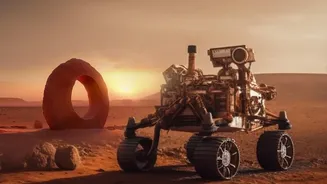
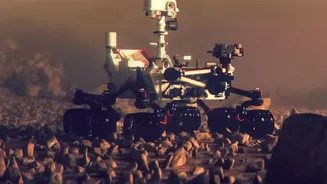
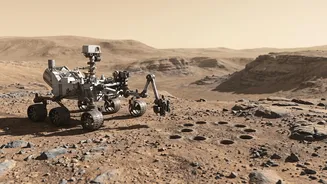
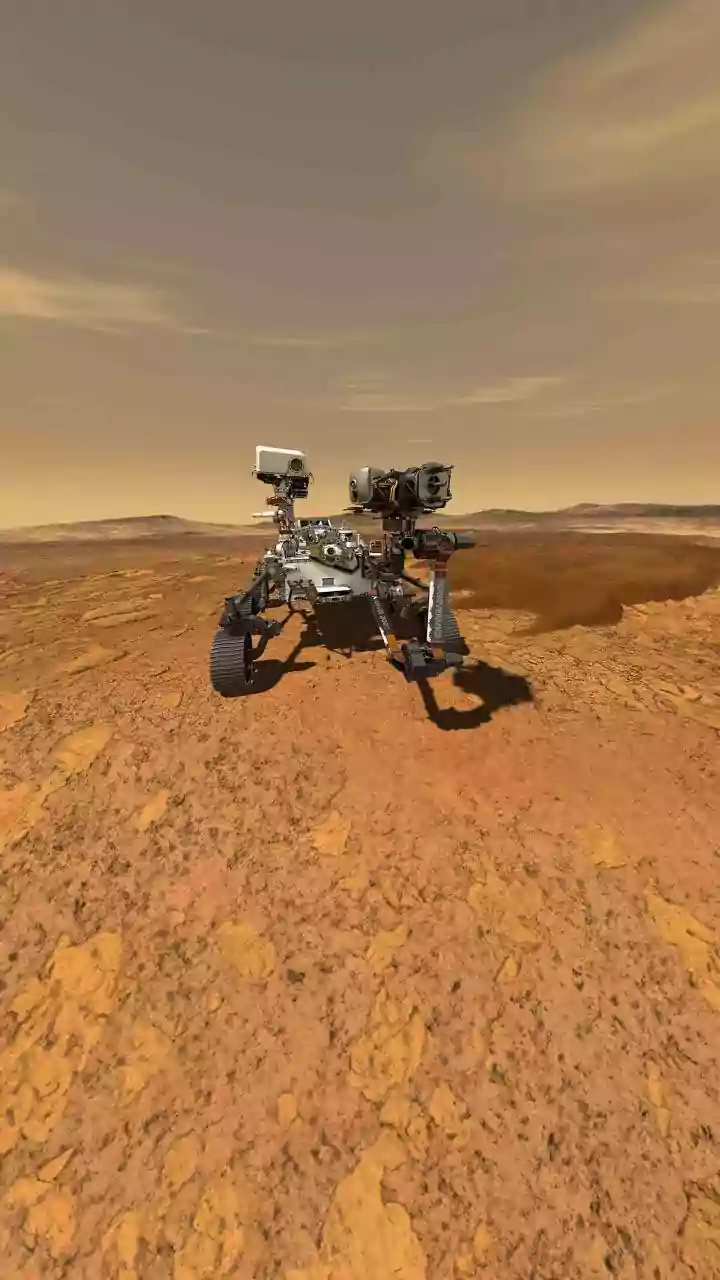
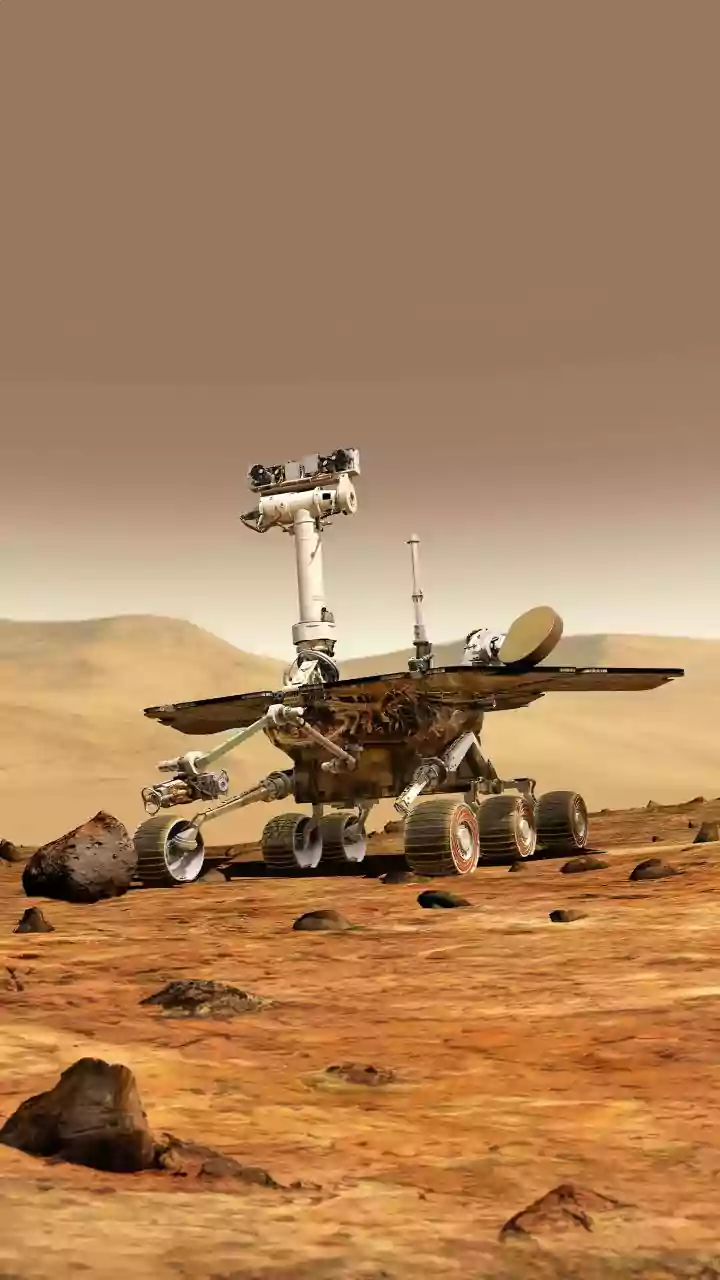
For over a decade, NASA's car-sized Curiosity rover has been diligently exploring Gale Crater, a vast, ancient lakebed on Mars. It has climbed mountains, analyzed rocks, and sent back breathtaking images of blue sunsets. But even after all this time,
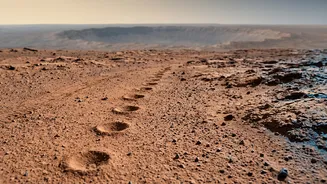
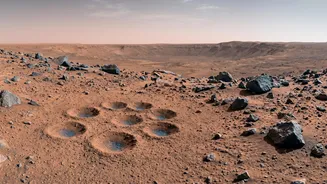
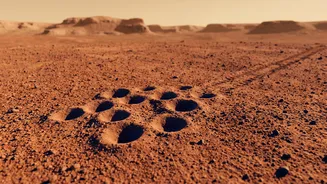
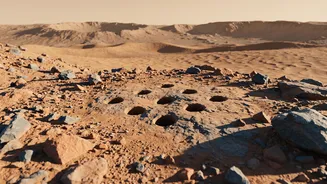
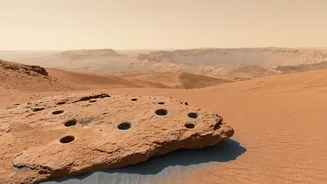
the Red Planet can still present a genuine mystery. While trekking through a valley named Valle Grande, the rover stumbled upon a peculiar sight: clusters of tiny, shallow divots in the bedrock. These aren't the dramatic impact craters left by meteorites that pockmark the planet; these are subtle, centimetre-scale indentations that have scientists scratching their heads. The discovery has prompted the rover's science team to pause and take a closer look, using its suite of powerful imaging tools to try and solve this latest Martian puzzle.
What Makes These Holes So Strange?
Holes are nothing new on a rocky world like Mars. Most small pits found in Martian bedrock have a straightforward explanation. Often, they are the remnants of harder mineral nodules or pebbles that were embedded in softer rock. Over eons, the softer surrounding material erodes away, and eventually, the harder nodule weathers out, leaving a small cavity behind. But these newfound holes don't fit that pattern. They are unusually broad and shallow, and crucially, there are no obvious pebbles or mineral chunks nearby that look like they once occupied the spaces. It's a geological head-scratcher. The objects that should have made these impressions are missing, leaving a void in both the ground and in our understanding. This anomaly suggests a different, unknown formation process might be at play in this specific region of Mount Sharp, the central peak within Gale Crater.
Gathering Clues with Robotic Eyes
When confronted with the unknown, a scientist's first step is to gather more data. The Curiosity team directed the rover to use its Mars Hand Lens Imager (MAHLI), a powerful magnifying camera on its robotic arm, to get close-up photos of the pits. Simultaneously, its Mastcam cameras captured overlapping stereo images of the surrounding terrain. By combining these images, researchers on Earth can build detailed 3D models of the surface. These models will allow them to precisely measure the shape and depth of the holes, which could provide crucial clues about how they formed. The investigation is happening alongside a broader analysis of the area, where scientists have also noticed rapid changes in the texture and composition of the rock layers, suggesting a dynamic and changing environment billions of years ago.
Why Every Martian Mystery Matters
While a few small holes might seem insignificant, they are part of a much larger scientific quest. Curiosity's primary mission is to determine if Mars ever had the right conditions to support microbial life. Every rock, layer, and geological feature is a piece of that puzzle. The rover is currently ascending Mount Sharp, reading the planet's history like a book by analyzing progressively younger rock layers. Discoveries of unusual minerals like tridymite or complex organic molecules have already shown that Mars had a chemically diverse and potentially habitable past. These strange holes add another layer to that complex story. Understanding their origin—whether it involves water, wind, or a yet-unknown geological process—will refine our knowledge of how Mars evolved from a potentially wet world into the cold, dry planet we see today.