








More Than Just a Snack
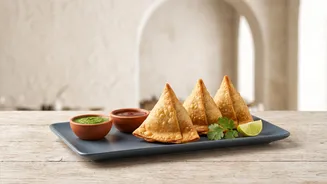
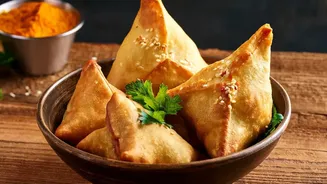
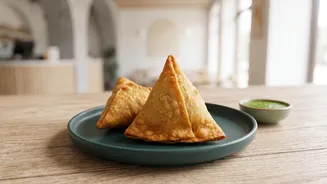
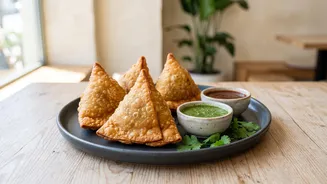
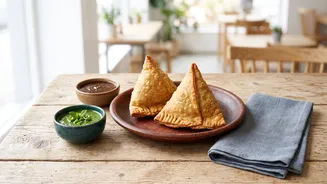
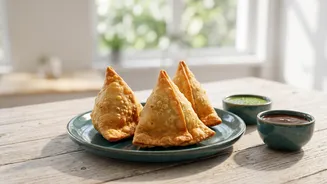
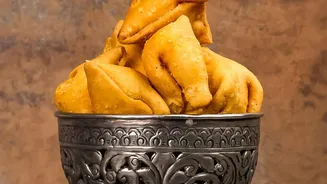
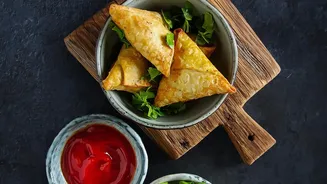
For generations, the samosa has been a cornerstone of daily life in Prayagraj. It is not merely a food item but a cultural ritual, enjoyed by everyone from students to office-goers and families. Iconic establishments, some over a century old, have perfected
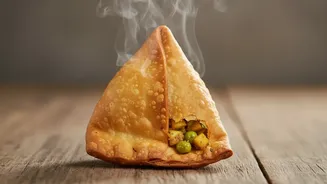
their recipes, creating a unique culinary heritage. The city's samosas are known for their distinct flavours, with some vendors famous for their classic spiced potato filling and others for special masala mixes without potatoes. This deep-rooted tradition, involving hundreds of manufacturers, street vendors, and restaurants, forms a significant part of the local economy, with estimates suggesting that over 1,500 people are involved in the trade. It is this combination of cultural significance and economic footprint that made the samosa a prime candidate for a major push.
Introducing the ODOP Initiative
The promotion of Prayagraj's samosas is part of the Uttar Pradesh government's 'One District One Product' (ODOP) scheme, sometimes referred to as 'One District One Cuisine' for food items. Launched to foster balanced regional development, the ODOP initiative aims to identify and promote one unique product from each of India's districts. The goal is to turn local specialities into recognizable brands, thereby boosting exports, creating jobs, and preserving traditional crafts and recipes. By focusing on products with strong local identities, the scheme provides support in areas where small enterprises often struggle: branding, quality control, packaging, and market access. For food products, this includes improving hygiene standards and increasing shelf life to reach wider audiences. The selection of the samosa for Prayagraj followed extensive consultations with culinary experts and local stakeholders.
A Boost for Local Vendors
Under the ODOP scheme, samosa makers in Prayagraj are set to receive significant support. The initiative is not just about recognition; it provides tangible benefits to empower entrepreneurs. This includes financial assistance through subsidies for those looking to establish new units or expand their existing businesses. The support structure is designed to be accessible, with project costs ranging from smaller ventures up to large-scale operations. Beyond funding, the program will offer training in modern production practices, hygiene, and business management. A key focus is on improving packaging to make the product more attractive and suitable for transportation, potentially opening up markets beyond the city's borders. This formalisation aims to transform small, informal businesses into robust, market-ready enterprises.
A Rising Tide, Not a Competition
Crucially, the initiative is about collective growth, not competition. The goal is not to declare one vendor's samosa as the 'best' in Prayagraj. Instead, the ODOP scheme seeks to elevate the entire local industry by creating a unified brand for 'Prayagraj Samosas'. This approach ensures that the benefits are shared across the community, from the smallest street-side stall to the largest manufacturer. By lifting the reputation and standards of the product category as a whole, the program helps all associated businesses grow together. This spirit of unity is vital for preserving the diverse ecosystem of samosa-making in the city while strengthening its overall market position. The inclusion of rasgullas and puri-kachoris alongside samosas in the scheme further underscores this philosophy of broad-based support for the region's culinary identity.
The Road Ahead
The journey for the Prayagraj samosa is just beginning. The success of the ODOP initiative will depend on effective implementation and the ability of local entrepreneurs to adapt to new standards and market demands. Challenges include standardizing quality without losing the unique character of individual recipes and building a supply chain that can handle distribution to new markets. However, the potential is immense. Success could mean seeing branded 'Prayagraj Samosas' in supermarkets in other cities, creating a new revenue stream for the local economy and generating significant employment. With an initial selection of 20 entrepreneurs to receive support, the program is taking its first concrete steps. This initiative represents a powerful model for how traditional foods can be leveraged for economic development, turning a local favorite into a product with national, and perhaps even global, appeal.