




Why Sabudana for Festivals?
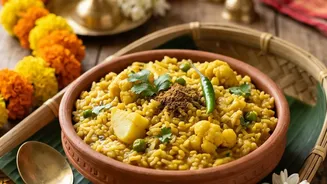
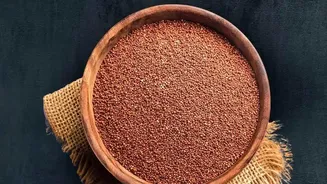
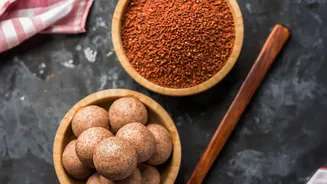
Sabudana is a popular choice during fasts (vrat or upvas) because it is not a grain. It is a pure starch extracted from the cassava root, making it an acceptable food item during religious observances where grains are avoided. Beyond tradition, it is packed
with carbohydrates, providing a quick and sustained energy boost, which is crucial when meals are infrequent. This high-carb content is what makes dishes like Sabudana Paratha so filling, helping to keep hunger pangs at bay for hours. Furthermore, sabudana is naturally gluten-free and easy to digest, making it gentle on the stomach.
The Perfect Paratha: A Simple Recipe
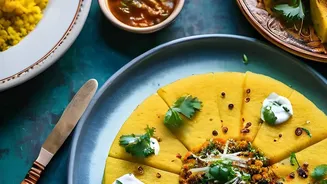
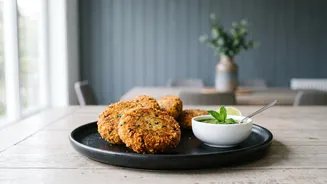
This paratha, also sometimes called Sabudana Thalipeeth, combines a few simple, fasting-friendly ingredients to create a soft, yet crispy, flatbread. There are two main methods: one using soaked sabudana pearls and another using sabudana flour. This recipe uses soaked pearls, a common household method.Ingredients: 1 cup sabudana (tapioca pearls) 2 medium-sized potatoes, boiled and mashed ½ cup peanuts, roasted and coarsely crushed 1-2 green chillies, finely chopped 1-inch piece of ginger, grated (optional) A handful of fresh coriander leaves, chopped 1 teaspoon cumin seeds Sendha namak (rock salt) to taste* Ghee or oil for cookingInstructions:1. Wash the sabudana until the water runs clear, then soak it in just enough water to cover it for at least 4-6 hours, or overnight. The pearls should be soft enough to press easily between your fingers. Drain any excess water completely.2. In a large bowl, combine the soaked sabudana, mashed potatoes, crushed peanuts, green chillies, ginger, coriander, cumin seeds, and sendha namak.3. Mix all the ingredients thoroughly until they form a non-sticky dough.4. Divide the dough into equal-sized balls. To roll the parathas, you can either flatten them by hand or place a dough ball between two sheets of plastic or parchment paper and use a rolling pin.5. Heat a tawa (griddle) over medium heat and grease it with ghee. Carefully place the paratha on the tawa.6. Cook for 4-5 minutes on each side, applying more ghee as needed, until the paratha is golden brown and crispy on the outside.
Tips for Success
Getting the texture of Sabudana Paratha right is key. For a perfect outcome, ensure your sabudana is soaked well but not waterlogged, as excess moisture will make the dough sticky and difficult to handle. Mashing the potatoes until they are completely smooth and lump-free helps create a uniform dough. The addition of roasted, crushed peanuts is not just for flavour; it also adds a delightful crunch and helps absorb any extra moisture. Don't be afraid to adjust the amount of potatoes or peanuts to get the right dough consistency. If the dough is too sticky, adding a tablespoon of buckwheat flour (kuttu ka atta) or amaranth flour can help bind it.
Serving and Pairing
Sabudana Paratha is wonderfully versatile and can be the centrepiece of a fulfilling festival meal. It pairs beautifully with simple accompaniments that complement its savoury flavour. The most classic pairing is with a bowl of plain curd (dahi), which provides a cooling contrast to the warm, crispy paratha. Another popular choice is a fasting-friendly green chutney, typically made with coriander, green chillies, lemon juice, and rock salt. For a more substantial meal, you can serve it alongside a simple fruit salad or a glass of chaas (buttermilk) to complete your vrat thali.