



Embrace Earthy and Warm Tones
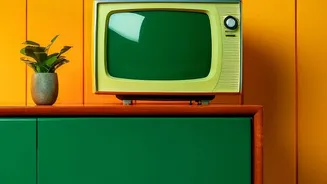
Colours reminiscent of the 1970s, like mustard yellow, burnt orange, and olive green, are perfect for creating a cosy, grounded atmosphere. These earthy tones pair beautifully with natural wood finishes, such as teak or walnut, which were staples of mid-century
design. Mustard, in particular, can bring a surprising softness to a room and has a cheery effect when used with crisp white, enhancing natural light without being overwhelmingly bright. Try painting a single piece of furniture, like an old armoire, in a bold mustard to create a statement piece, or use it in textiles like pillows and throws to add a pop of warmth. These shades work wonderfully against a backdrop of mushroom, cream, or taupe, allowing them to stand out in a sophisticated way.
Dive Into Rich Blues and Greens
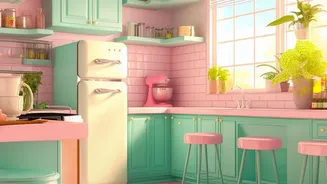
For a dash of opulence and energy, turn to the deep jewel tones popular in past decades. Rich teals, emeralds, and even bold navy blues can bring life to a space. The classic mid-century combination of avocado green is also making a stylish comeback. To avoid these strong colours overpowering a room, use them strategically. A teal accent wall can create a dramatic focal point, especially when paired with warmer accents like mustard yellow. Similarly, a muted olive or sage green on the walls can feel both natural and neutral, pairing beautifully with warm wood furniture and cream-coloured trim for a balanced look. These cooler tones are versatile and can be used to create anything from a vibrant, eclectic living room to a serene, tranquil bedroom.
Start Small with Accent Pieces
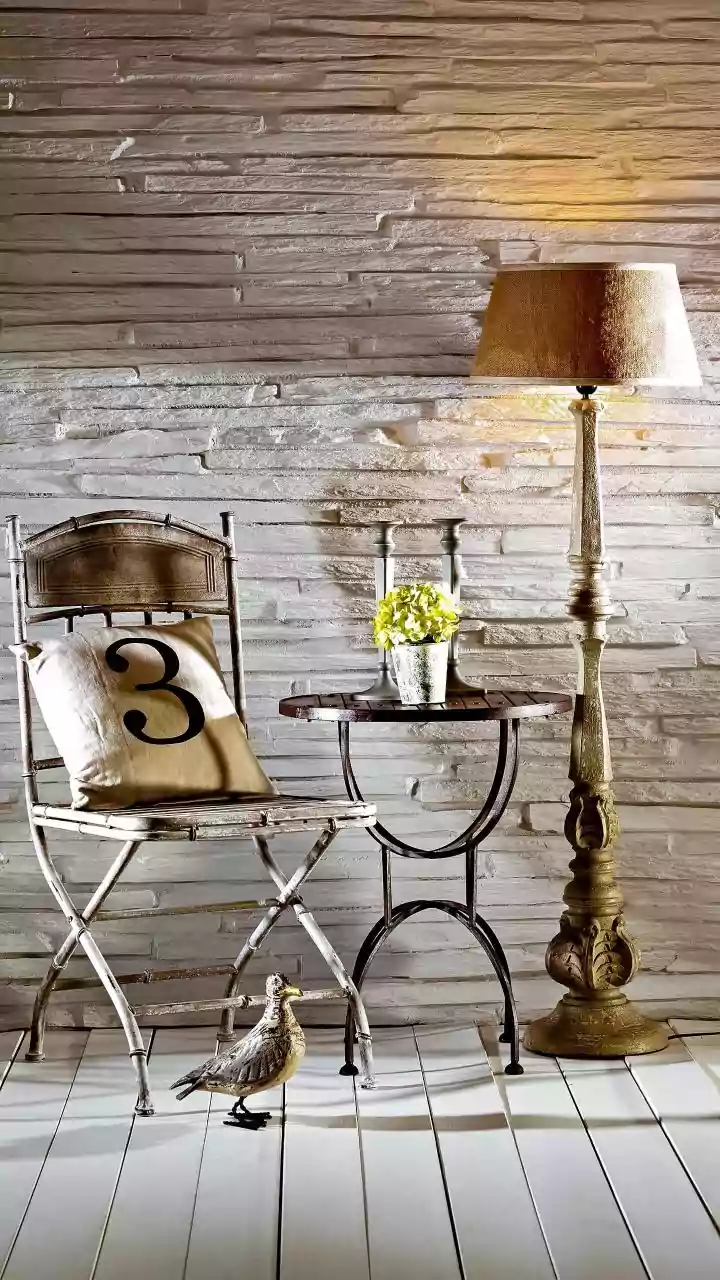
If you're not ready to commit to a full-room colour change, accessories are the perfect way to experiment with a vintage palette. This approach allows you to layer in retro charm without a major overhaul. Look for throw pillows, blankets, or rugs in eye-catching geometric patterns or classic textures like velvet and fringe. A few well-placed decorative items, such as colourful glass vases or ceramic sculptures in amber, cobalt, or avocado green, can instantly evoke a vintage feel. Even swapping out modern light fixtures for vintage-inspired table or floor lamps can make a huge impact, serving as both functional and sculptural design elements. These smaller touches are easy to change and allow you to play with different combinations until you find what you love.
Balance is Key: Use a Neutral Foundation
One of the most effective strategies for incorporating bold vintage colours is to start with a neutral foundation. Walls painted in soft, warm whites, creams, or pale sandy hues create a perfect canvas that allows retro colours to shine without overwhelming the space. By keeping your largest furniture pieces, like your sofa or main shelving, in neutral tones, you give the room space to breathe and ensure the design has longevity. This balance makes the contrast feel intentional rather than chaotic. The neutral backdrop allows you to be more playful with your colourful accents, whether it's a bold piece of art, a reupholstered vintage chair, or patterned curtains.
Mix and Match for a Curated Look
The goal is to create a home that feels curated and personal, not like a museum exhibit from a single decade. Don't be afraid to mix elements from different eras. Pair a sleek, modern sofa with a vintage coffee table, or place contemporary art above a mid-century credenza. Colour can be a powerful tool to bridge this gap; for example, you can pull a shade of teal from a vintage rug and repeat it in modern throw pillows. Combining different materials—such as a painted wood dresser with modern metal or glass accents—also adds visual interest and depth. The beauty of this approach is in the juxtaposition, creating a unique space that reflects different chapters of your personal style.