





What is E20 and Why is it Here?
First, a quick refresher. E20 is not a new brand of fuel but a specific blend: 80% petrol mixed with 20% ethanol. The Indian government has been championing this blend for several key reasons. Firstly, it boosts India's energy security by reducing reliance
on imported crude oil. Secondly, it provides an additional revenue stream for the country's sugarcane and grain farmers, from which ethanol is derived. Finally, ethanol is an oxygenate, which means it helps fuel burn more completely, leading to a reduction in harmful emissions like carbon monoxide. The move to E20 is part of the long-running Ethanol Blended Petrol (EBP) Programme, which has seen the percentage of ethanol in our fuel gradually increase over the last decade.
The Fear vs. The Facts
The transition to E20 was met with significant concern from vehicle owners, particularly those with older cars. The primary worry was that ethanol, being more corrosive than petrol and having a tendency to absorb moisture, could damage fuel lines, rubber gaskets, and other engine components not designed to handle it. This led to fears of breakdowns, costly repairs, and voided warranties. However, the government has repeatedly dismissed these concerns as misinformation. Recent statements from the Ministry of Petroleum and Natural Gas, based on data from extensive testing and real-world usage, paint a very different picture. The government states that since the introduction of higher ethanol blends, there have been no widespread, verified reports of engine failures directly linked to the fuel.
The 'Three Crore' Figure Explained
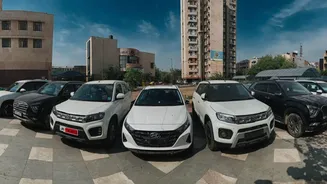
The headline figure comes directly from government communications. In a reply to Parliament in July 2026, the Minister of State for Petroleum and Natural Gas, Suresh Gopi, stated that over 20 crore two-wheelers and more than three crore petrol cars have been running on higher-ethanol blends for years. During this period, which includes over two and a half years of E19-E20 availability, there has been no verified evidence of widespread breakdowns. This data is not just based on a lack of complaints, but also on proactive monitoring. Automakers have been collecting service data which, according to the government, reinforces these findings and shows no abnormal corrosion or wear.
Why Aren't Cars Breaking Down?
Several factors contribute to the smoother-than-expected transition. Major automakers like Maruti Suzuki have provided data from tens of millions of vehicle services, including on 1.5 crore older cars not originally certified for E20, showing no spike in E20-related damage. This suggests that many modern vehicles, even those from before the official E20 compliance period (which began in 2023), possessed a higher tolerance for ethanol than initially feared. The phased rollout, starting with lower blends like E5 and E10, also gave the entire ecosystem, from fuel suppliers to service centres, time to adapt. While a slight drop in mileage of 2-6% is acknowledged by the government, this is considered a small trade-off for better acceleration and lower emissions.
What Should You Do?
For owners of cars manufactured from 2023 onwards, there is little cause for concern, as these vehicles were built to be E20 compatible. For those with older vehicles, the evidence suggests catastrophic failure is highly unlikely. Manufacturers have continued to honour warranties for vehicles using E20 fuel, which reinforces their confidence in its reliability. The government and industry studies have concluded that even older legacy vehicles show no significant performance variation or abnormal wear. However, for peace of mind, it is always a good practice to follow your vehicle’s regular service schedule. If you own a very old vehicle (pre-2016, BS-III), some mechanics suggest that certain rubber parts might need replacement during routine servicing as a precaution, though this is not seen as a widespread requirement.