



The Journey From Paddy to Plate
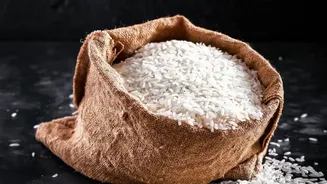
The price you pay for a bag of rice isn't just for the grain itself. It’s the sum of a long and complex journey that begins long before it reaches your local kirana store. This supply chain includes cultivation, harvesting, transportation from the farm
to the mill, processing, packaging, and then further transportation to wholesalers, distributors, and finally, retailers. Every step in this chain has an associated cost, and many of these costs are highly sensitive to global energy prices. Even though the rice is grown in India, the machinery, fuel, and materials used to get it to you are part of a global economic web.
Fueling the Supply Chain
One of the most significant and volatile costs is fuel. India's agricultural sector is heavily dependent on diesel. Tractors for ploughing and harvesters for collecting the crop run on it. After harvest, trucks are the primary mode of transport, moving paddy from farms to mills and then distributing the processed rice across the country. Since India imports over 85% of its crude oil, any disruption in global oil markets—be it from geopolitical tensions or supply chain bottlenecks—directly translates to higher diesel prices at home. This increase in transportation costs gets passed down the supply chain, ultimately adding to the final retail price of the rice you buy.
The Hidden Energy Bill in Processing
Beyond transportation, energy is a critical input in the processing stage. Rice mills, which turn raw paddy into the edible grain we consume, are significant consumers of electricity and other forms of energy. These operations involve cleaning, hulling, sorting, and polishing the rice. The cost of electricity and fuel for generators directly impacts the operational cost of these mills. Furthermore, the production of packaging materials also requires substantial energy. When global energy prices surge, the cost of running these mills and producing their packaging increases, contributing another layer to the final price.
Global Ripples in a Domestic Pond
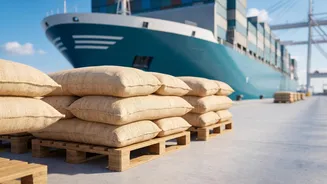
Even though most rice grown in India is consumed domestically, the country is also the world's largest rice exporter. This powerful position in the global market means that international prices and domestic prices are linked. When global shipping costs rise, it becomes more expensive for India to export its rice. Paradoxically, this can sometimes create pressure on domestic prices. Furthermore, modern agriculture relies heavily on fertilizers, many of which are either imported or produced using natural gas, a commodity with a globally determined price. Higher energy prices mean more expensive fertilizers, which increases the farmer's initial cost of production. That cost is then factored into the Minimum Support Price (MSP) and the rates at every subsequent stage.
What Recent Events Tell Us
Recent events have made this connection painfully clear. Geopolitical tensions, like the conflict between the US and Iran, have spurred countries, particularly in the Gulf, to stockpile food supplies, driving up global demand for Indian rice. This has led to a sharp increase in both basmati and non-basmati rice prices within India, with some varieties jumping 20-25%. Combined with a weaker monsoon in key southern states, the pressure on domestic supply has intensified. Even with substantial government stocks, the combination of strong export demand and higher input costs from energy and logistics keeps prices firm for Indian consumers.