






Before Treatment: Laying the Foundation
Preparing for GLP-1 therapy is about more than just filling a prescription; it involves setting up your body for success. Starting to adjust your eating habits one to two weeks before your first dose can lead to a much smoother experience. These medications
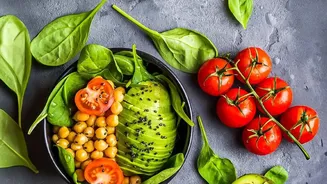
work by slowing down how quickly your stomach empties, which helps you feel full longer. Because of this, large, high-fat, or greasy meals can sit heavily and significantly increase the risk of nausea, one of the most common side effects. Focusing on smaller, more frequent meals that are rich in lean protein, vegetables, and whole grains can help your body adapt. This isn't about a restrictive diet but rather about establishing a baseline of balanced, whole foods that will support the medication's effects and minimize discomfort from the start.
During Treatment: Prioritizing Nutrient-Dense Foods
Once you begin treatment, your appetite will likely decrease. This makes every food choice more important. With less overall food intake, focusing on nutrient density is key to staying healthy and energized. The two most critical nutrients to prioritize are protein and fiber. Protein is essential for preserving muscle mass, as rapid weight loss can sometimes lead to losing muscle along with fat. Aiming for high-quality protein sources like lean meats, fish, eggs, beans, and Greek yogurt at every meal can help protect your strength and metabolism. Fiber, found in fruits, vegetables, and whole grains, is crucial for managing another common side effect: constipation. It also helps you feel satisfied with smaller meals.
During Treatment: Managing Side Effects With Diet
While highly effective, GLP-1 drugs can come with gastrointestinal side effects like nausea, bloating, and acid reflux. Thankfully, simple dietary adjustments can make a big difference. If you experience nausea, opt for bland, low-fat foods like crackers, toast, and rice. Eating smaller portions more frequently throughout the day, rather than three large meals, can also prevent feeling overly full or queasy. Staying well-hydrated is important, but it's wise to avoid sugary drinks and alcohol, which can add empty calories and may worsen side effects. High-fat, greasy, or very spicy foods are common triggers for digestive upset and should be limited, especially as your body adjusts to the medication.
After Treatment: Sustaining Your Success
Stopping a GLP-1 medication can be a daunting step, as many people fear regaining the weight they've lost. When the medication's appetite-suppressing effects wear off, hunger signals naturally return. This is where the healthy habits you built during treatment become your most powerful tool for long-term success. Continuing to prioritize a diet rich in protein and fiber will help you manage your appetite and maintain fullness naturally. Regular physical activity, especially strength training, is also vital for preserving the muscle mass you worked to protect, which in turn supports a healthy metabolism. While some weight regain can occur, studies show that many patients who continue these lifestyle behaviors are able to maintain a significant portion of their weight loss. The medication provides a window of opportunity to build a foundation of healthy habits that can last a lifetime.