





The Performance of Scraps
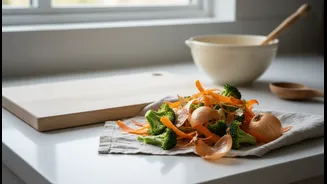
Scroll through social media and you will find a beautifully curated world of 'root-to-stem' cooking. There are artful photos of crisped potato peels, stocks made from onion skins, and pestos whipped up from carrot greens. The movement is well-intentioned,
born from a desire to combat food waste. Yet, it has inadvertently created a new form of kitchen anxiety. The message, often unspoken, is that if you are not using every last bit of your produce, you are failing at being sustainable. This performative sustainability puts immense pressure on home cooks to become culinary alchemists, turning what was once compost into a gourmet meal. The problem is that this approach can strip the joy from cooking, turning it into a chore laden with guilt and obligation. When sustainable habits feel like a punishment or a performance, they are, by definition, not sustainable for our own well-being.
Putting Scraps in Perspective
While reducing any waste is good, the intense focus on household vegetable scraps can be a distraction from the larger picture. Over one-third of all food produced in the United States is never eaten. This staggering figure includes losses at the agricultural, processing, and retail levels long before food ever reaches our homes. The environmental cost of this industrial-scale waste—in terms of water, land, energy, and emissions—is immense. In comparison, the handful of potato peels you throw in the compost bin is a tiny fraction of the problem. That is not to say personal responsibility does not matter, but the guilt associated with not making your own vegetable peel chips is disproportionate to its actual impact. Focusing on systemic change and more impactful personal habits is a better use of our energy.
The Quiet Power of Composting
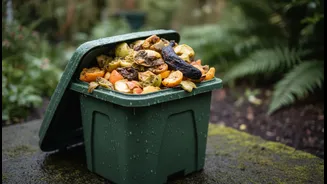
Somewhere along the way, composting became framed as a consolation prize—the thing you do when you cannot find a 'heroic' use for your scraps. This is a fundamental misunderstanding of a powerful ecological process. Composting is not waste; it is recycling. When food scraps end up in a landfill, they decompose without oxygen, releasing methane, a potent greenhouse gas. In a compost pile, however, that same organic matter breaks down aerobically, creating a nutrient-rich soil amendment that helps grow more food. Choosing to compost your peels is a valid and scientifically sound sustainability practice. It is not giving up. It is closing the loop, returning nutrients to the earth, and actively participating in a natural cycle that is far more beneficial than forcing yourself to eat something you do not enjoy.
Redefining a Sustainable Kitchen
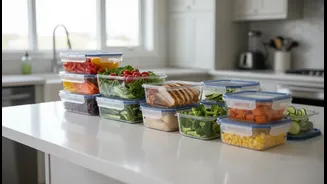
So, if obsessing over scraps isn't the answer, what is? True kitchen sustainability is built on simpler, more consistent, and less glamorous habits. It starts with planning meals to buy only what you need, which prevents entire vegetables from wilting in the fridge. It means proper storage to extend the life of your produce. It involves embracing leftovers and prioritizing eating the food you buy. Reducing reliance on single-use plastics by opting for reusable containers has a significant impact. It also means being mindful of safety and practicality; not all peels are edible or palatable, and some can be difficult to clean or digest. If you genuinely love carrot-top pesto or beet-green sauté, that's wonderful. But if you don’t, let it go. The goal is to build routines that are both effective and enjoyable enough to last a lifetime, not to suffer for the sake of an ideal.