







When Luiz Inácio Lula da Silva returned to Brazil's presidency, it marked the comeback of a familiar face in global politics. For India, it signaled a renewed partnership with a key player in the Global South. How has this relationship fared since?
A Familiar Partner Returns
The
diplomatic relationship between New Delhi and Brasília has seen distinct phases. The groundwork for the current strategic partnership was laid during Lula's first two terms (2003-2010), a period that saw the creation of the IBSA (India, Brazil, South Africa) Dialogue Forum and the first BRIC summit. This contrasted with the subsequent tenure of Jair Bolsonaro, whose ideological alignment with Western conservative leaders shifted Brazil's focus. Since returning to office in 2023, Lula has sought to re-establish Brazil's role as a leading voice for developing nations, a vision that finds a natural partner in India. The partnership was formally established in 2006, and high-level visits have since become common, including a state visit by President Lula to India in February 2026.
The Economic Engine: Trade and Investment
Economic cooperation is the cornerstone of the India-Brazil relationship. Brazil is India's largest trading partner in Latin America, with bilateral trade reaching over $15 billion in 2025, a 25% increase from the previous year. The two nations have now set an ambitious target to nearly double this figure to $30 billion by 2030. Key Indian exports include petroleum products, pharmaceuticals, and chemicals, while Brazil supplies India with crude oil, soybean oil, and raw sugar. To boost these ties, leaders have discussed expanding the India-MERCOSUR Preferential Trade Agreement and are focusing on new areas like critical minerals, biofuels, and digital public infrastructure. During Lula's February 2026 visit, he was accompanied by a large business delegation, signaling a strong intent to deepen commercial ties.
Multilateralism and the Global South
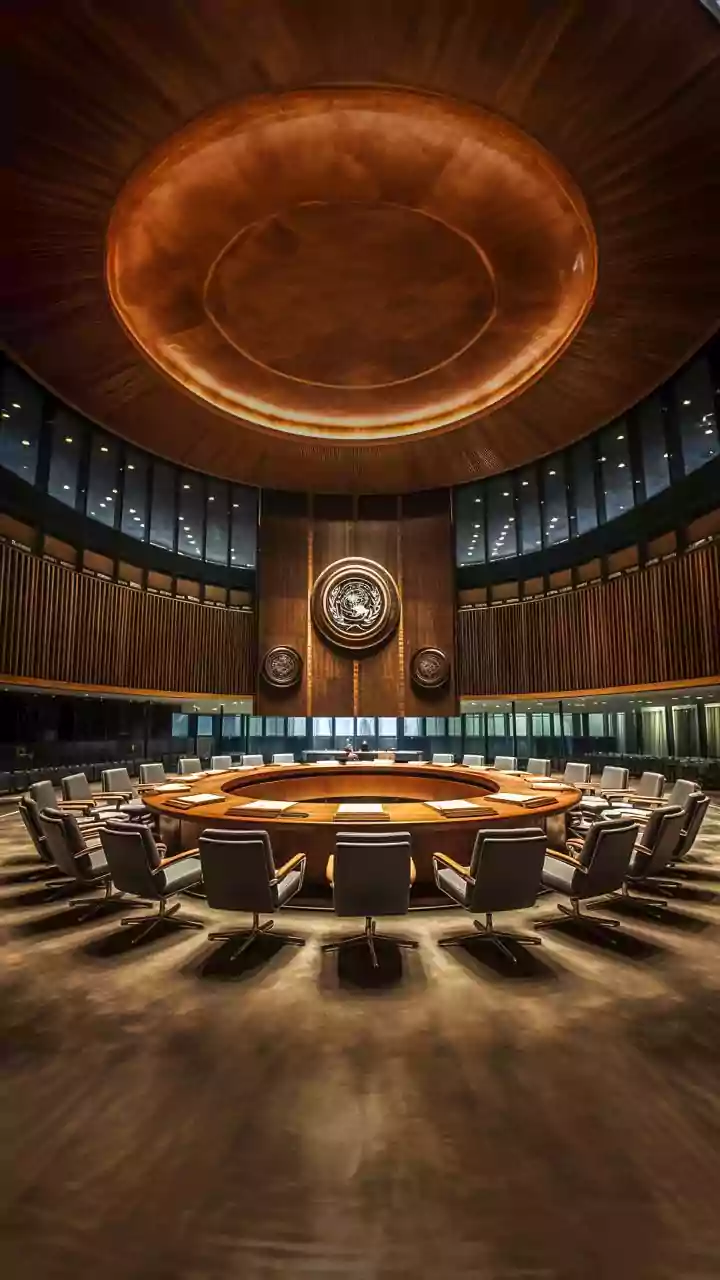
On the global stage, India and Brazil are champions of a multipolar world order. Both are influential members of BRICS, the G20, and the G4 nations, where they actively campaign for the reform of the UN Security Council to give developing countries a greater voice. They share a desire for a more equitable system of global governance and have reiterated mutual support for each other's candidacies for a permanent seat in an expanded UNSC. This alignment was visible during India's G20 presidency in 2023 and Brazil's in 2024, where both pushed agendas focused on sustainable development, climate justice, and the interests of the Global South. President Lula has often described India as a 'democratic brother of the Global South', highlighting a relationship built on mutual respect.
Strategic Alignment and Future Cooperation
Beyond trade and diplomacy, the partnership is expanding into strategic sectors. The two countries have signed agreements to cooperate in defence, energy, agriculture, and technology. A joint declaration on a 'digital partnership for the future' aims to foster collaboration in areas like Digital Public Infrastructure and Artificial Intelligence, with Brazil congratulating India on its leadership in the AI space. Cooperation in the peaceful uses of outer space is another promising frontier, with both nations agreeing to enhance ties between their respective space agencies. This wide-ranging collaboration is built on a fivendillar strategic roadmap covering defence, food security, energy transition, digital transformation, and industrial partnerships.