




The Potato's Indian Arrival
Though it feels like a native, the potato, or 'aloo', is an immigrant that has been thoroughly embraced. Introduced by Portuguese traders in the 17th century, it was initially cultivated along India's western coast. The British later popularised it in Bengal
and other regions in the 18th and 19th centuries. Before the potato, other root vegetables like yams and sweet potatoes filled our plates. Yet, the potato's ability to adapt to different climates and absorb a plethora of spices allowed it to seamlessly integrate into India's diverse culinary landscape, from the mountains of Kashmir to the coast of Kerala.
North: Kashmiri Dum Aloo
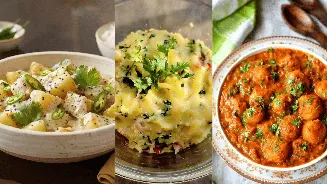
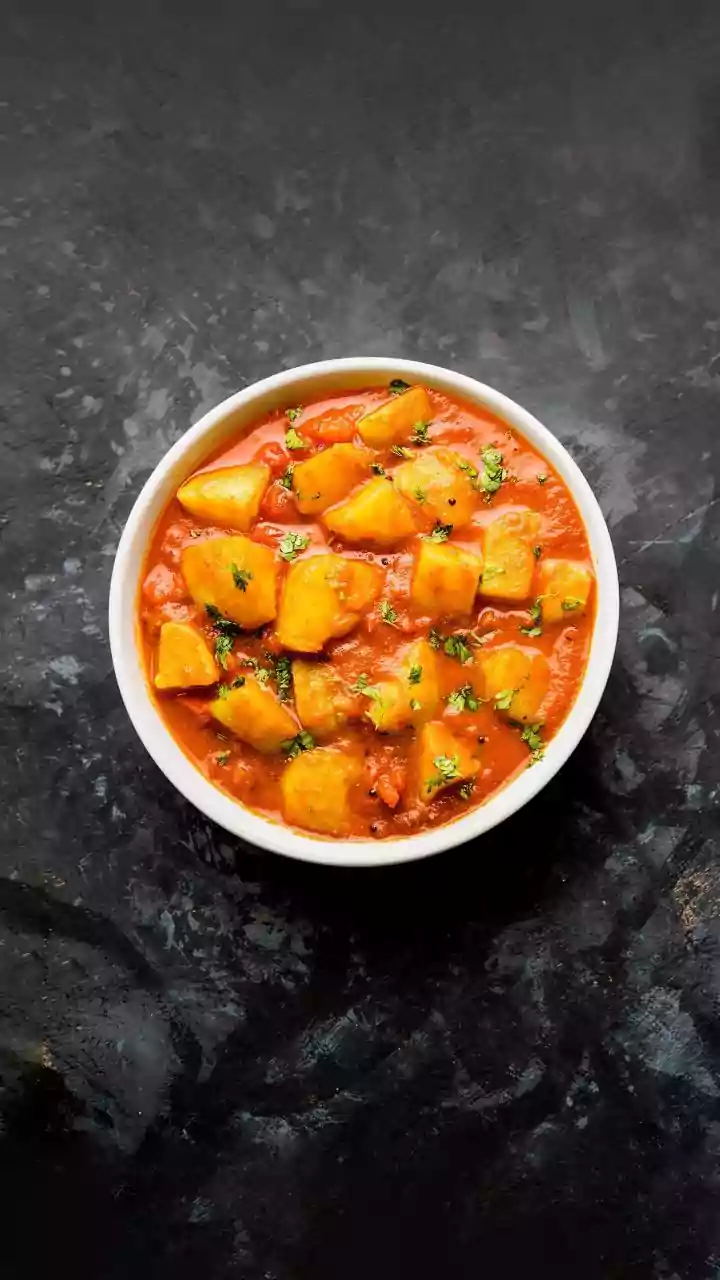
Hailing from the picturesque valleys of Kashmir, Dum Aloo is a testament to the region's sophisticated, slow-cooking techniques. This dish, a jewel of Kashmiri Pandit cuisine, features small potatoes that are deep-fried until golden and then simmered gently in a rich, yogurt-based gravy. What makes it unique is the fragrant spice blend, which notably omits onion and garlic, instead relying on fennel powder, dry ginger, and Kashmiri red chillies that impart a vibrant colour without overwhelming heat. The 'dum' or slow-cooking method allows the potatoes to soak up the aromatic gravy, resulting in a dish that is both regal and deeply comforting.
East: Bengali Aloo Posto
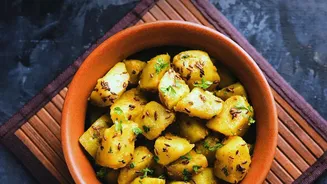
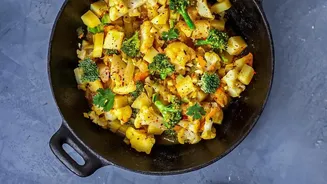
In Bengal, the potato finds a unique partner in poppy seeds ('posto'). Aloo Posto is a classic comfort food, celebrated for its subtle, nutty flavour and minimalist elegance. The dish consists of diced potatoes cooked in a creamy paste of ground poppy seeds, punctuated by the sharpness of green chillies and the pungent aroma of mustard oil. Its origin is believed to be linked to the British era, when extensive poppy cultivation for the opium trade left a surplus of the seeds, which inventive Bengali cooks transformed into a culinary staple. Served with steamed rice and dal, Aloo Posto is a simple, soulful dish that showcases a completely different facet of the potato.
West: Maharashtrian Batata Vada
No culinary tour of western India is complete without mentioning Mumbai's favourite street snack, the Batata Vada. This delicious fritter consists of a spicy mashed potato filling seasoned with ginger, garlic, green chillies, and mustard seeds, coated in a thick gram flour (besan) batter and deep-fried to golden perfection. While a standalone snack often served with chutney, its most famous incarnation is the Vada Pav, where the hot vada is sandwiched in a soft bread roll. Born in Mumbai around 1966, it was created as a quick, affordable, and filling meal for the city's mill workers and has since become a cultural icon.
South: The Heart of the Masala Dosa
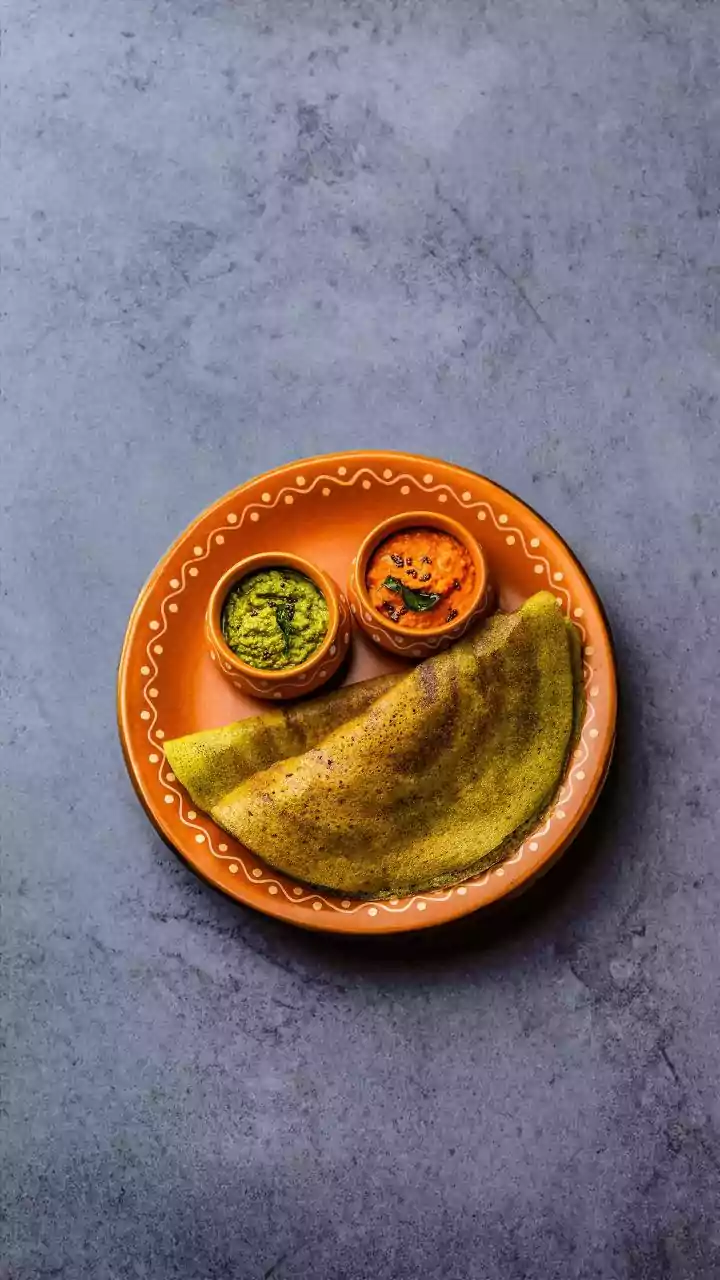
While the potato stars in many southern dishes, its role as the filling in a Masala Dosa is arguably its most famous. This iconic dish features a simple yet flavourful mash of boiled potatoes, tempered with mustard seeds, curry leaves, turmeric, and onions, all encased in a crispy, fermented rice-and-lentil crepe. The creation of the stuffed dosa is often credited to the Udupi restaurants of Karnataka. One popular story suggests the potato filling was invented to discreetly include onions, which were avoided by some orthodox communities. This simple innovation transformed the plain dosa into a complete meal that is beloved across the nation and the world.
Northeast: Assamese Aloo Pitika
Representing the rustic simplicity of the Northeast, Aloo Pitika from Assam is a soulful preparation that requires no complex cooking. It is essentially mashed potatoes, but with a distinctive regional twist. Boiled or fire-roasted potatoes are mashed with raw chopped onions, green chillies, fresh coriander, and a generous drizzle of pungent mustard oil, which gives the dish its signature sharp flavour. Sometimes, a boiled egg is mashed in as well. Served at room temperature alongside rice and dal, Aloo Pitika is a perfect example of how a few bold, fresh ingredients can create an unforgettable dish.